Hello everyone,
My name is Eliza, and at the age of 34, I was diagnosed with MOGAD – a disease I had never heard of before.

In Poland, very few people live with this condition, and there is still little awareness or understanding of it. That’s why I often look for knowledge and support abroad. I would love to connect with others around the world who also live with MOGAD — to exchange experiences, learn from one another, and remind ourselves that none of us are truly alone in this.
In February 2022, my life began to change in ways I couldn’t yet understand.
It started with numbness in my legs — persistent, daily, lasting for weeks. Getting out of bed in the morning became difficult, but after a few steps, the cramps eased, and I tried to carry on as usual. I downplayed the symptoms, blaming stress and overwork.
But then something more serious began to happen — I started experiencing memory and concentration problems. My loved ones said I seemed “absent.” I would forget what I had watched the night before or where I had stopped reading a book. I kept telling myself it was stress, but when I began to forget words, I became truly frightened. In May, after several months of worsening symptoms, I went to see a neurologist.
An MRI of my brain showed changes suggesting multiple sclerosis. I was admitted to the hospital. I waited for more tests, more results, more consultations… A lumbar puncture eventually ruled out MS. I felt like I had lost all control over my life and had to completely trust the doctors. It wasn’t until October that I finally heard the diagnosis: MOGAD.
“What is that?” I thought. I knew what I was diagnosed with, but I didn’t understand what it meant. How is it treated? Will I die? There were so many questions and so few answers. My treatment began with steroids — first in tablets, later through IV infusions.
The year 2023 was especially difficult. I was hospitalized almost every two months — sometimes for a few days, sometimes for two weeks. The disease caused relapses that affected my mobility. I had to give up my job managing two bookstores — it became too stressful and too risky for my weakened immune system.
MOGAD changed everything. It entered my private life and forced me to reevaluate what truly matters. It showed me who was really there for me and who disappeared when things got hard. Some people left my life forever. I went from living fast — working, growing, planning my career — to learning how to live all over again, day by day.
Over time, I began searching for a new path. I returned to my psychology studies to better understand how illness affects not only me but also my loved ones. In the future, I would like to support people living with chronic conditions — it feels deeply meaningful to me. I also started an Instagram profile called uspokajajaca_obecnosc which has become my daily therapy. Writing helps me process emotions, and I hope it can help others too.
The hardest part has been losing my sense of control — realizing that I can’t always do everything, that there are days when my body says, “Not today.” Days when getting up feels impossible, when things slip from my hands. But I’ve learned to recognize those moments and remind myself that they will pass.
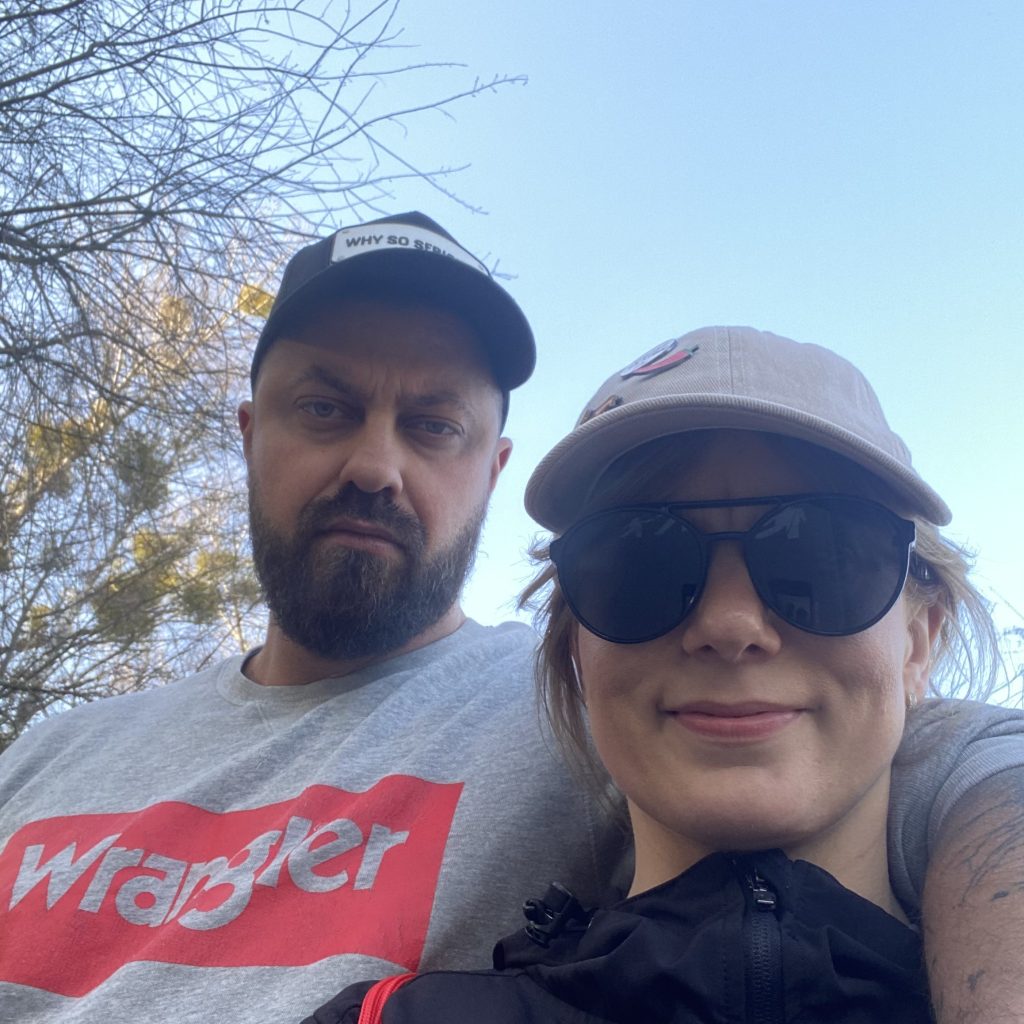
I couldn’t have gone through this alone. My fiancé Marcin has been my greatest support — patient, loving, and present, even when all I need is silence. I’m also deeply grateful for the people I’ve met in hospitals — other patients who share their stories and strength. Thanks to my sister Kamila, I found an amazing doctor whom I trust completely, and that trust has taken away much of my fear.
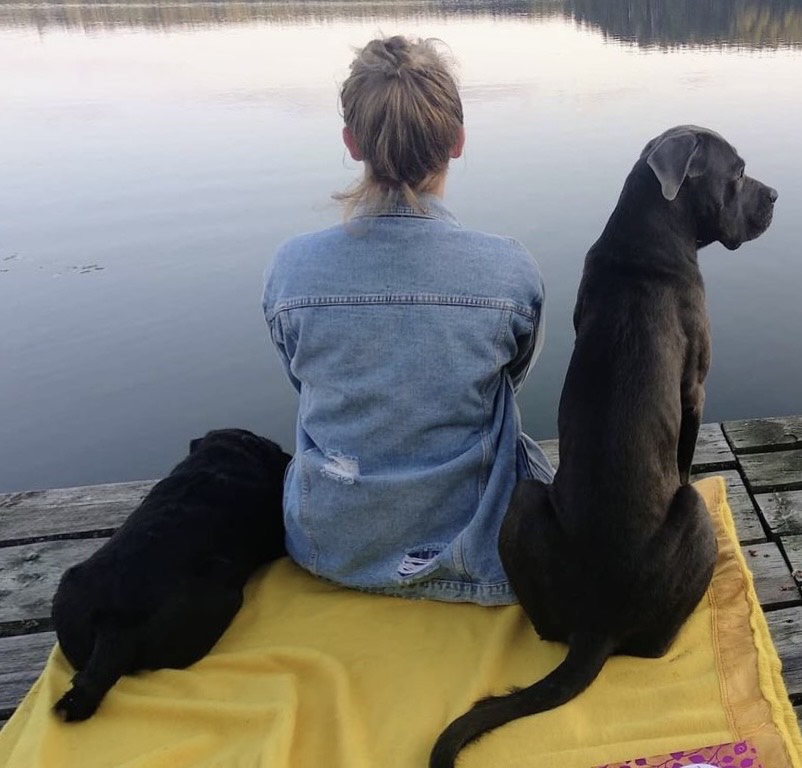
A huge part of my strength also comes from my dogs — Helenka and Charlie. They are with me every single day. They sense my weaker moments and bring me peace when I lose it. Their presence soothes me more than words ever could — a quiet reminder that love and support don’t always need to be spoken.
This illness has taught me gratitude and mindfulness. Today, I can truly appreciate the small things I used to overlook. I’ve learned that life without constant stress is possible. MOGAD has taught me patience, humility, and that every single day can be a new beginning.
I am currently hospitalized every three months and receive Rituximab treatment.
Despite everything, I feel that my life has gained new meaning.
Today, I am preparing to work with people who need emotional support in their healing process and in adapting to life with a chronic illness.
This path gives purpose to my experiences and allows me to transform hardship into something meaningful and good.
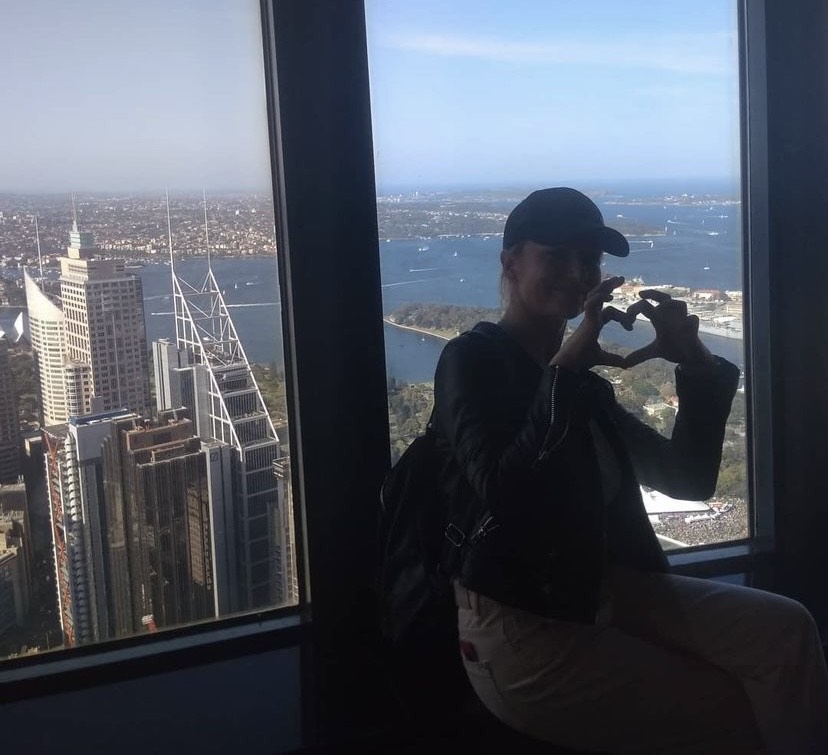
This disease hasn’t taken my life away — it has simply given it a new shape.
Stay strong and take care,
Eliza


I loved your story and I would love to share my story with you..
Eliza,
Thank you so much for your openness and sharing your story. So many of us living with MOGAD have experienced and felt the same way you do.
Your taking what once seemed grim, and turned it into good and a passion to help others is nothing but inspiring.
Blessings,
Jennifer
Comments are closed.