MOGBytes™: Snack-sized guides to understanding MOGAD
Understanding MOGAD, one bite at a time.
We recognize that patients and caregivers need time to learn what is important in managing MOGAD. As a rare and relatively new disease, MOGAD can involve many nuances, and building an understanding of the disease can feel daunting—especially after a new diagnosis.
To help make learning about MOGAD easier, The MOG Project has developed a series of five colorful, snack-sized guides covering key topics in MOGAD. We call them MOGbytes.
Created with patients and caregivers in mind, MOGbytes offers accessible information to help you better understand MOGAD, recognize important symptoms and disease patterns, and become more informed about your care.
Explore the mogbytes series
New to MOGAD? Start with Series 1!
MOGAD can be complex, and every patient’s experience is different. MOGbytes is designed to help you build your understanding step by step—from the basics of MOGAD and its symptoms to treatment options and recognizing potential relapses.
Already familiar with MOGAD? Explore the series that addresses the questions most relevant to you.


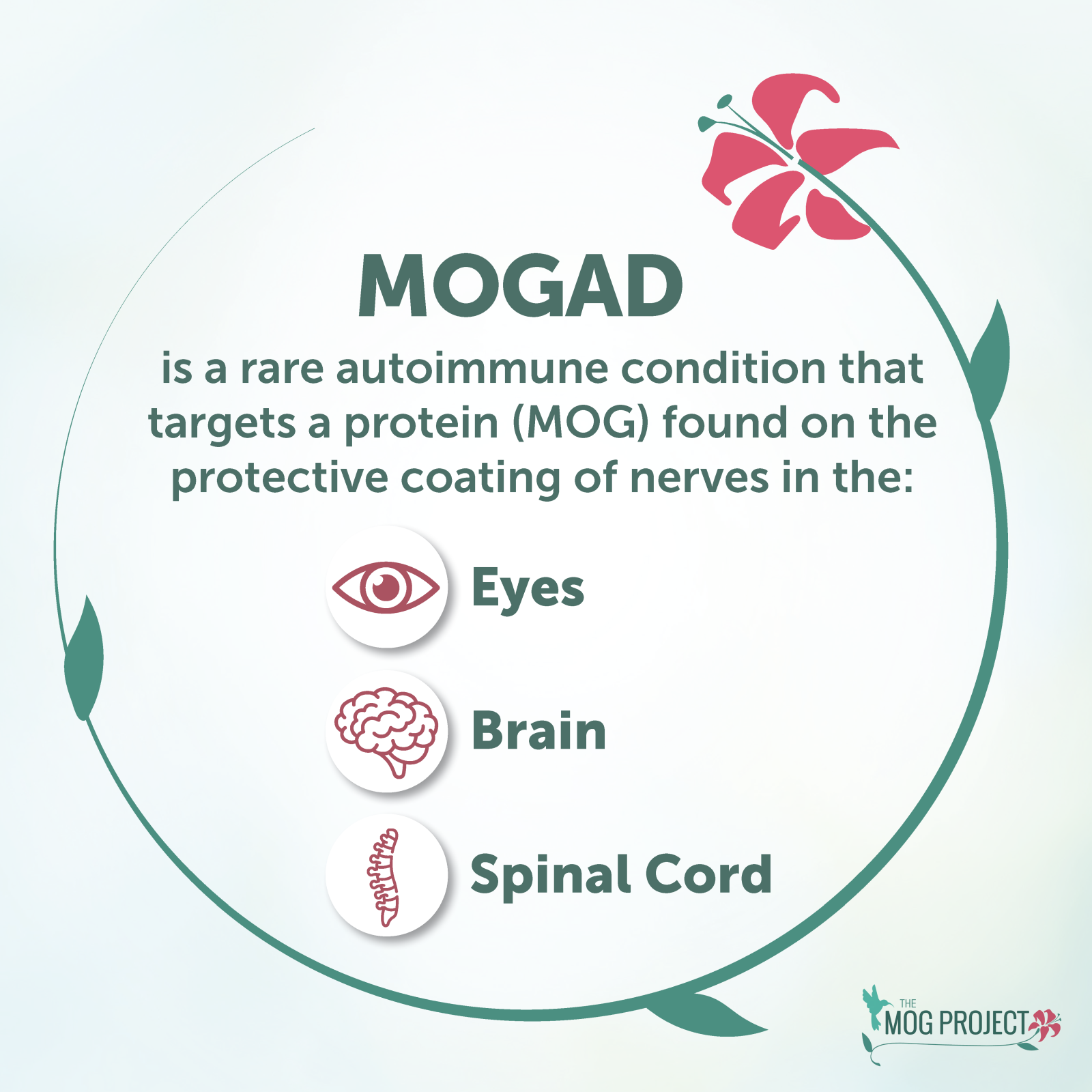


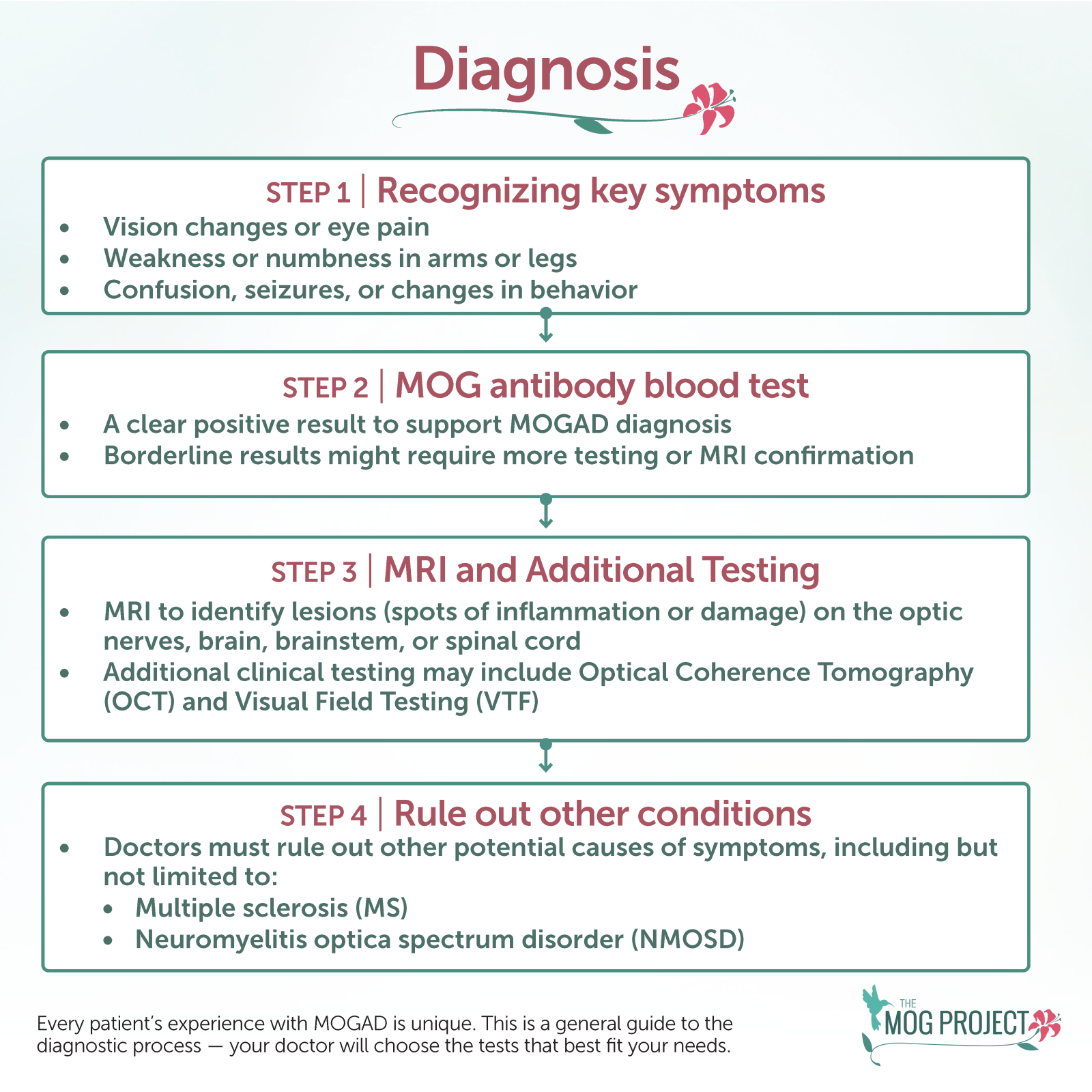


An introduction to MOGAD, including what it is, who it affects, common symptoms, how it is diagnosed, and current treatment approaches.

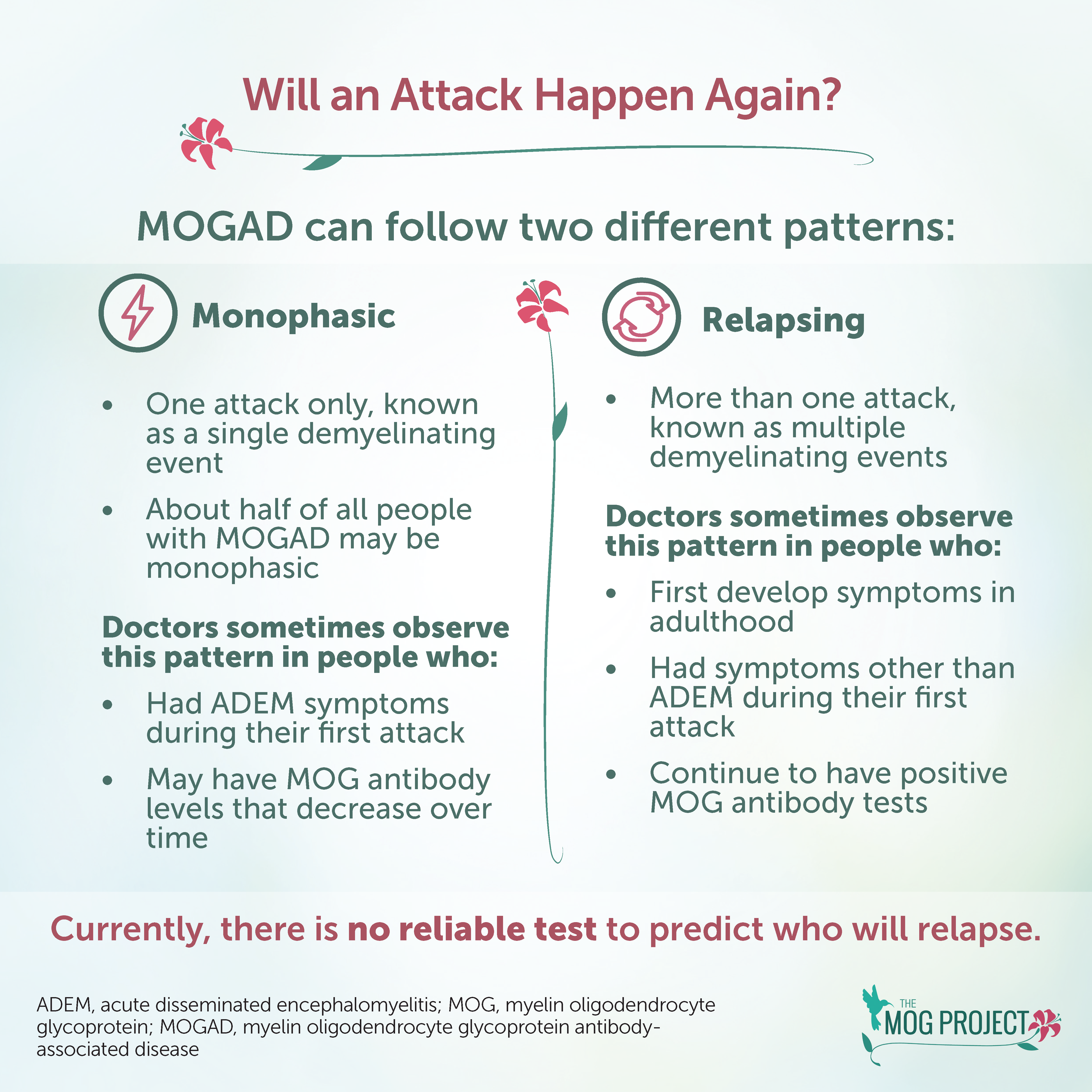
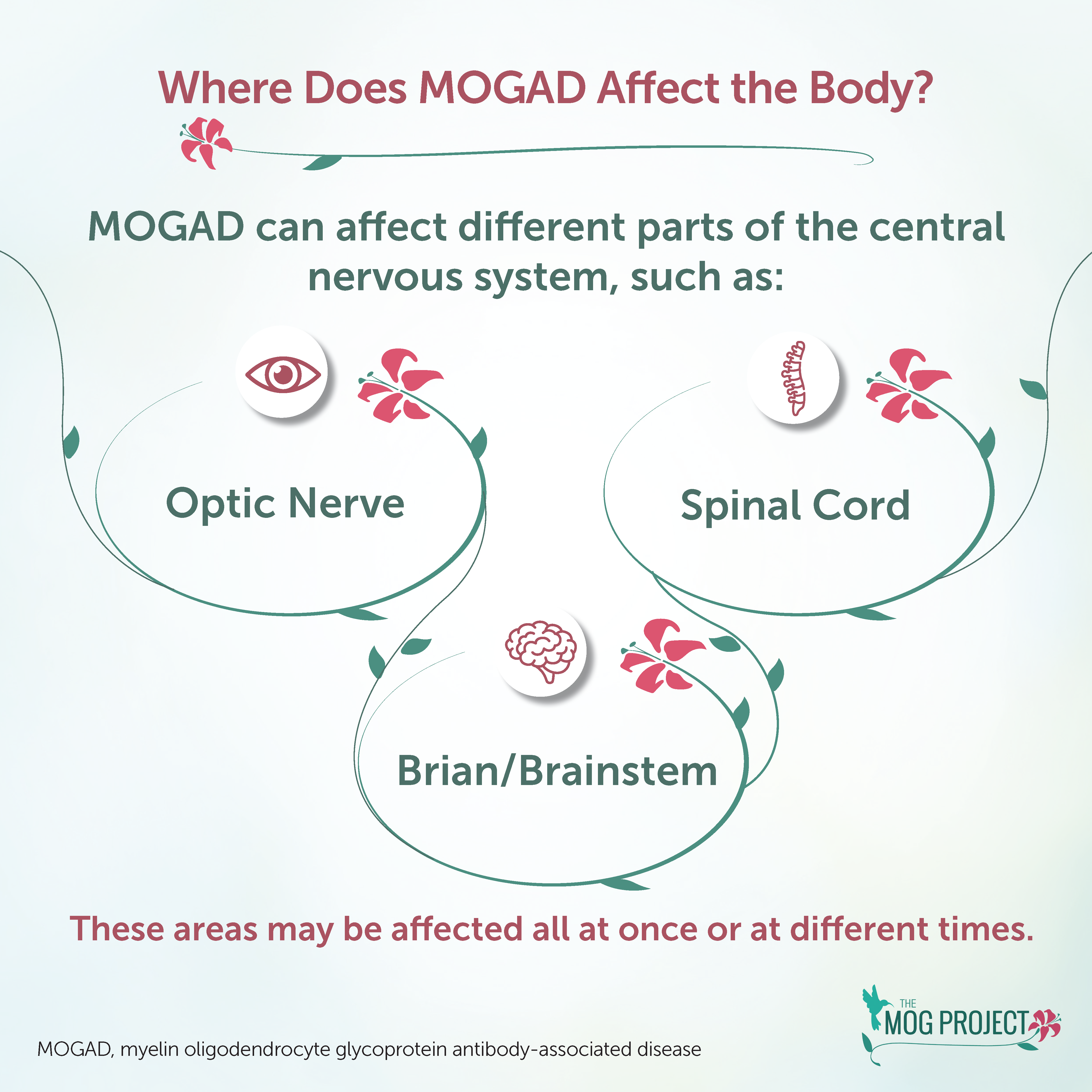
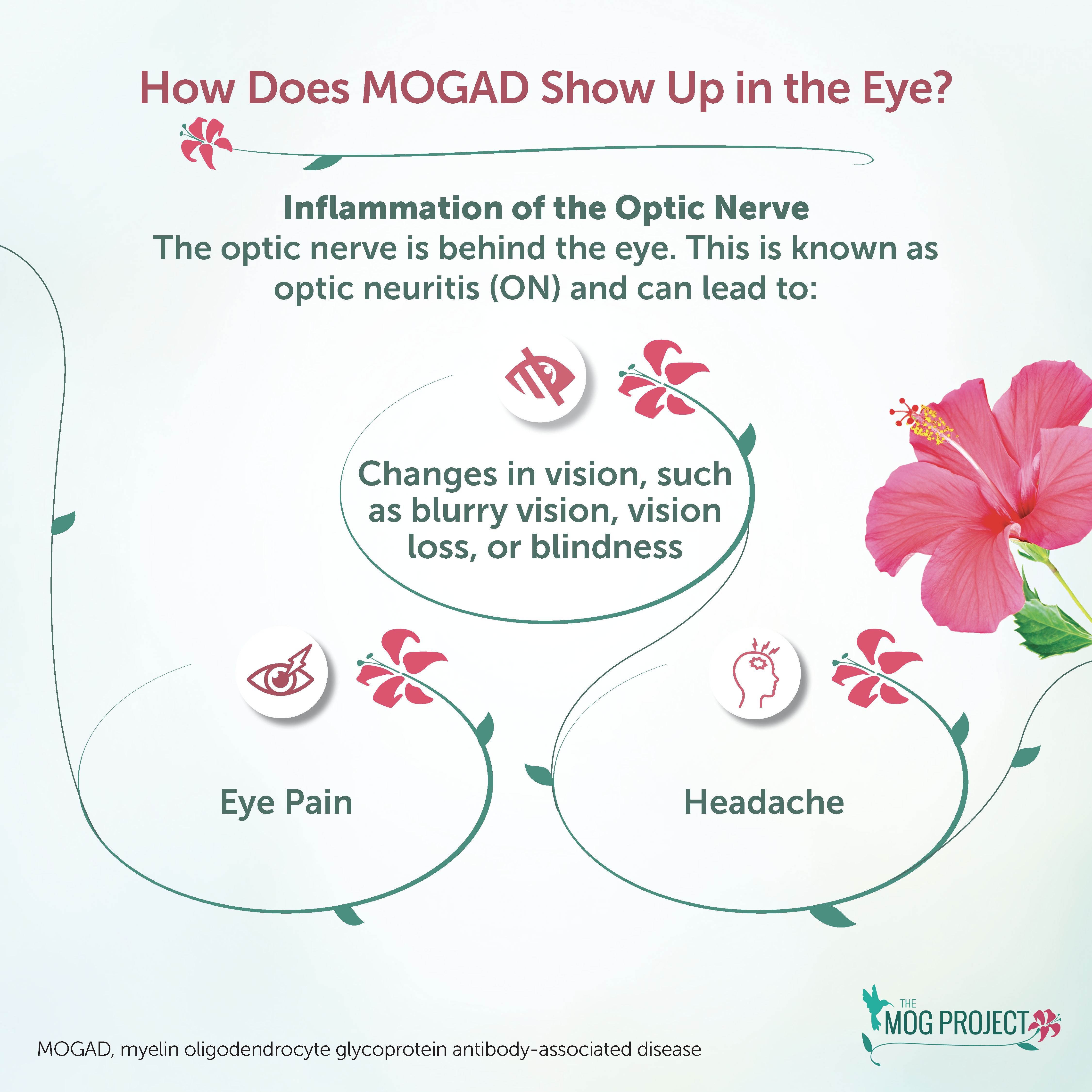


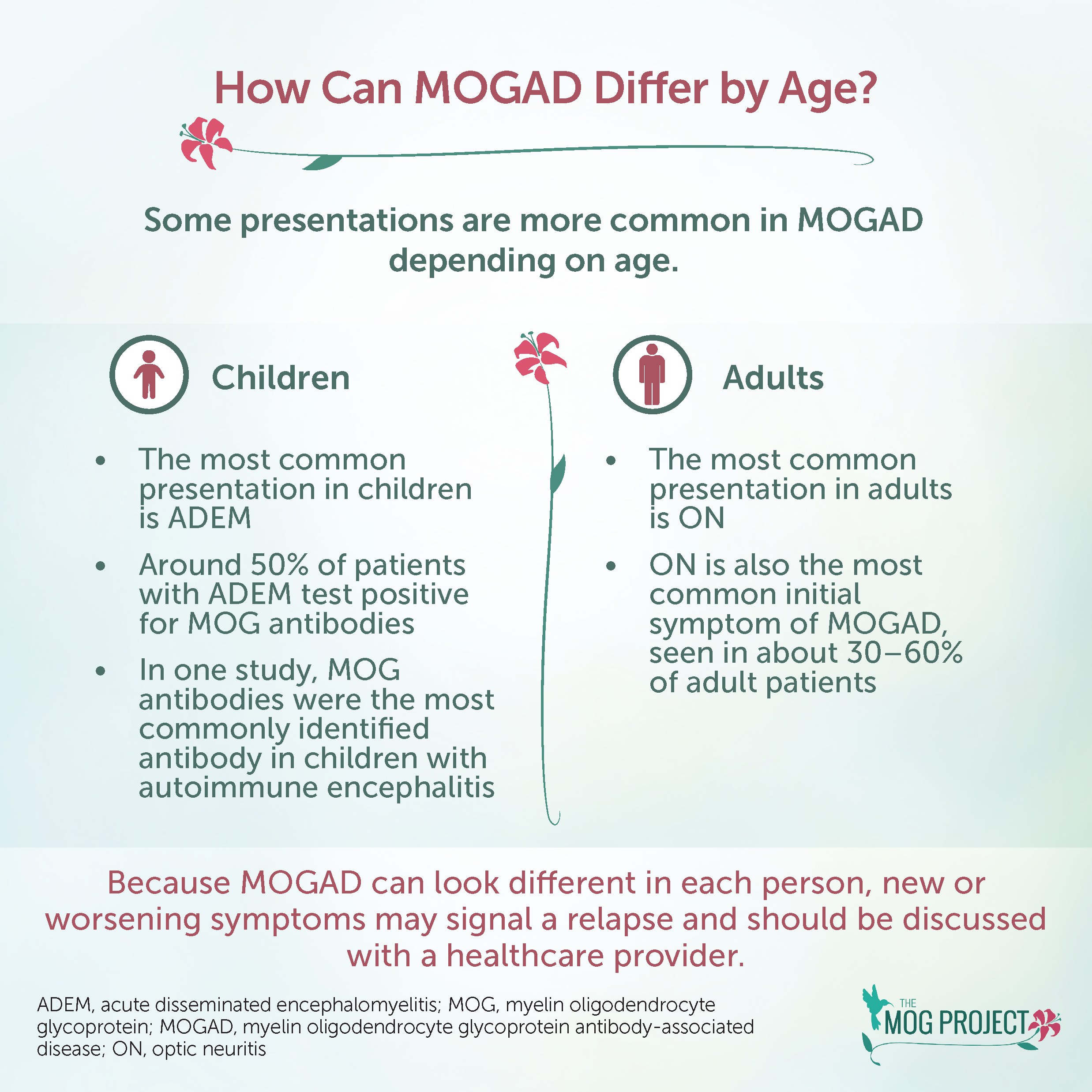



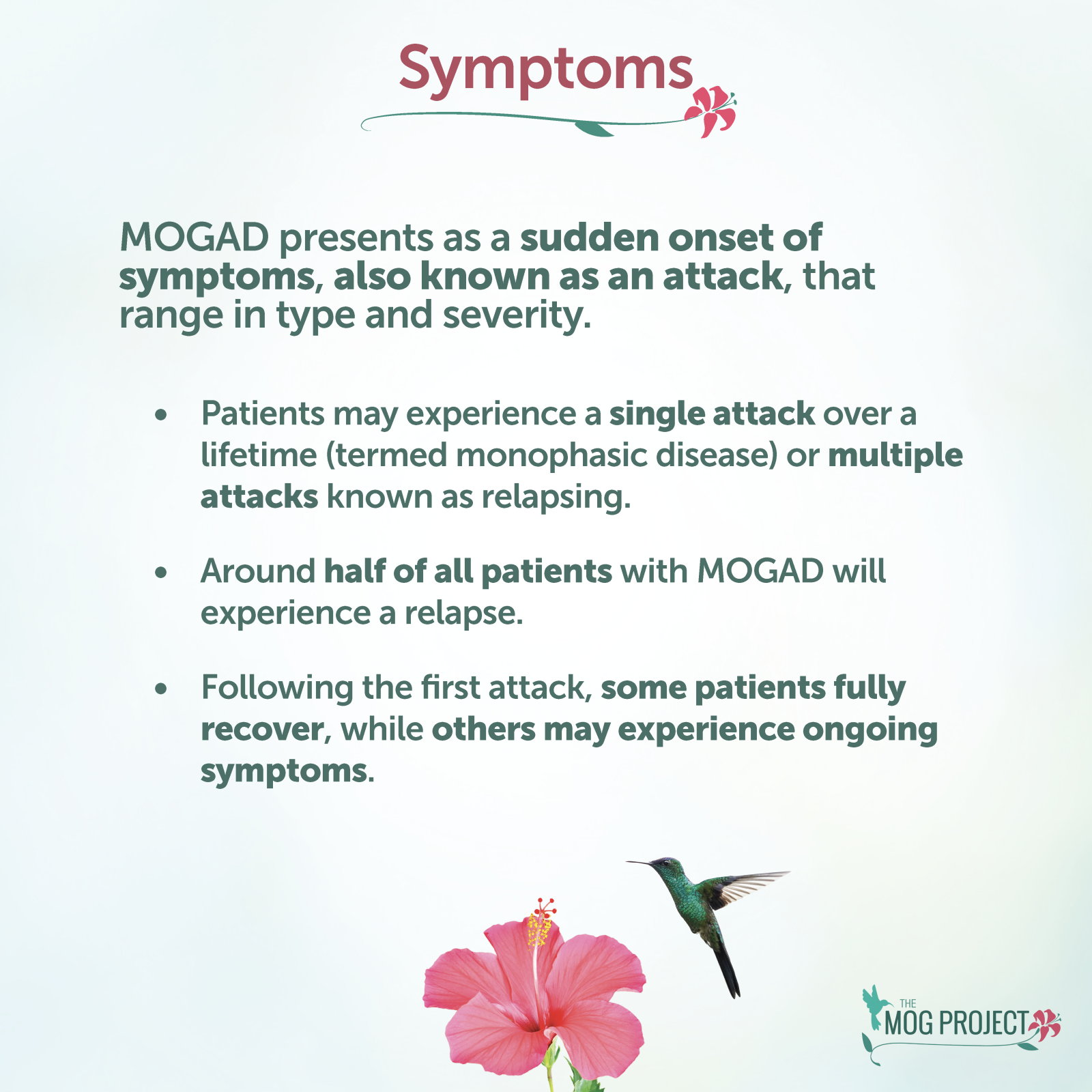
MOGAD can affect different parts of the central nervous system and may look different from one person to another. Explore common symptoms involving the optic nerves, spinal cord, brain, brainstem, and meninges, along with how MOG antibody testing contributes to diagnosis, how MOGAD can differ by age, and what monophasic and relapsing disease patterns mean.



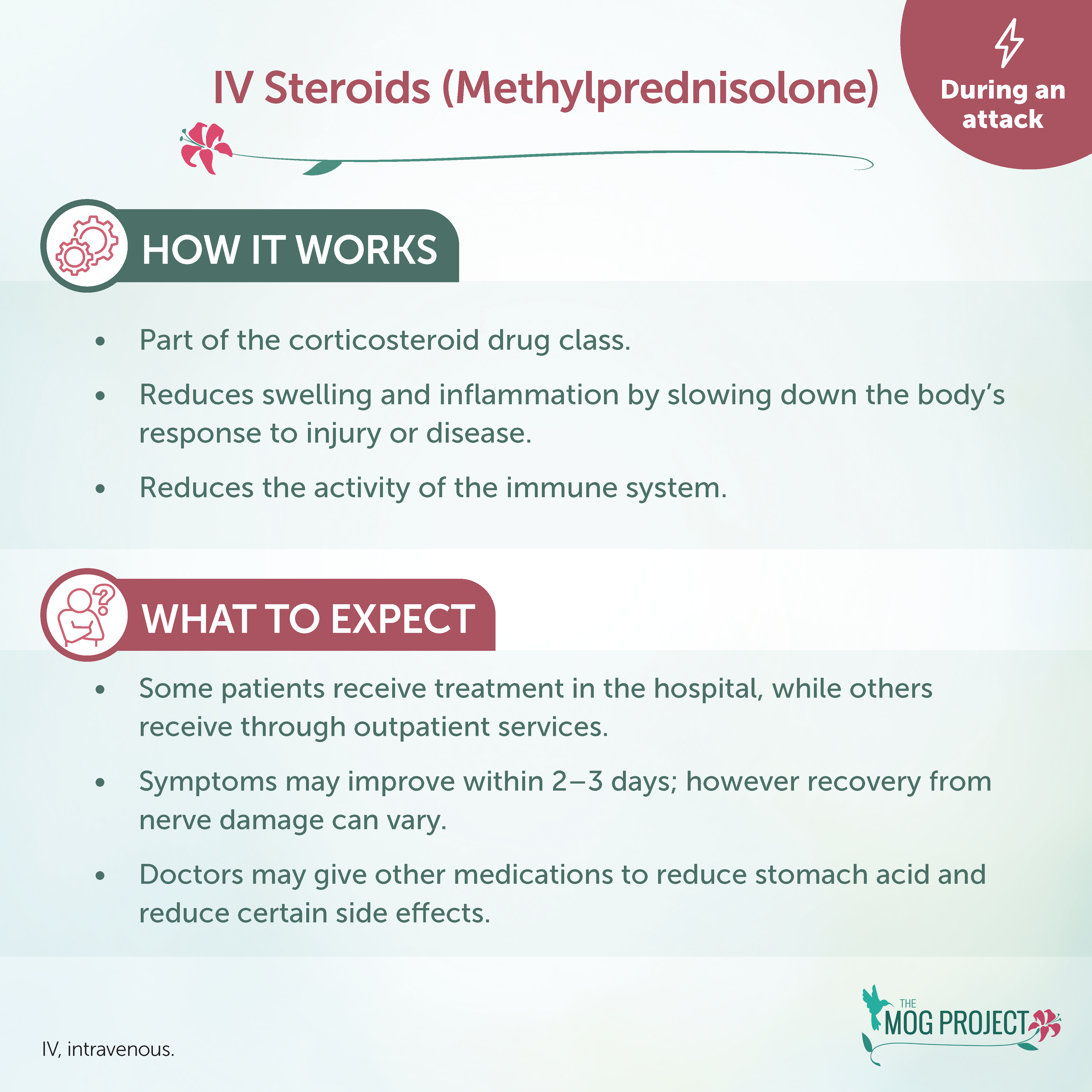


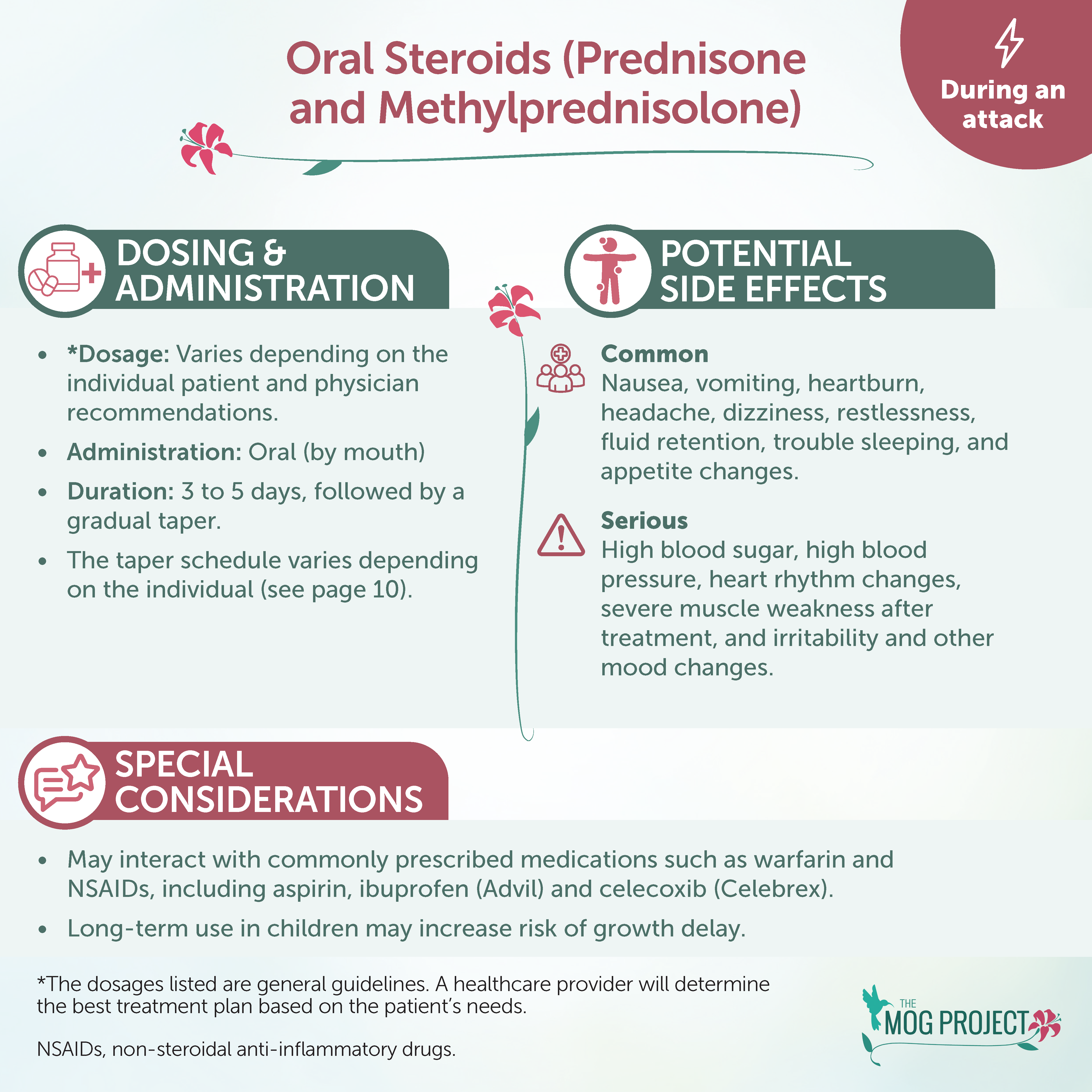

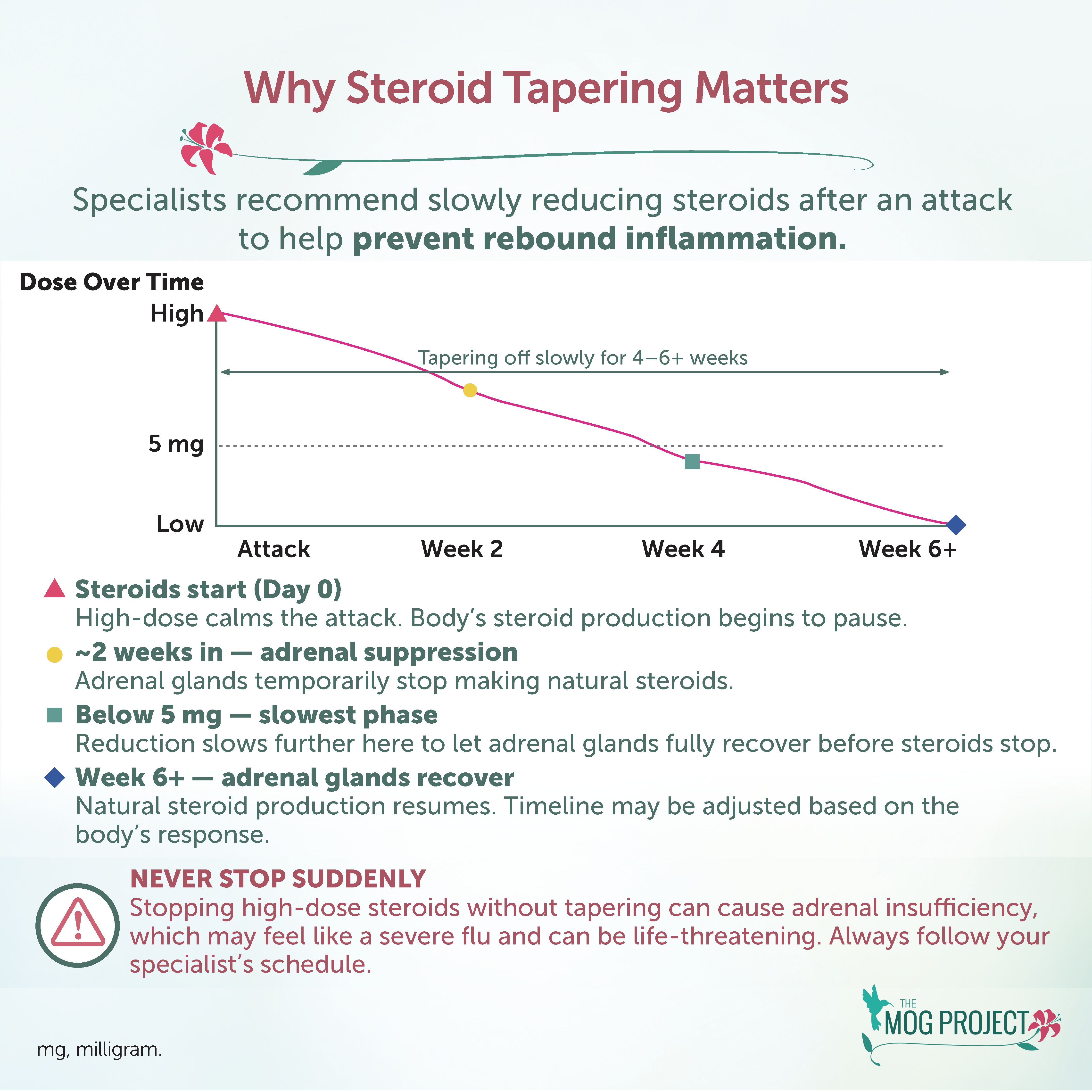
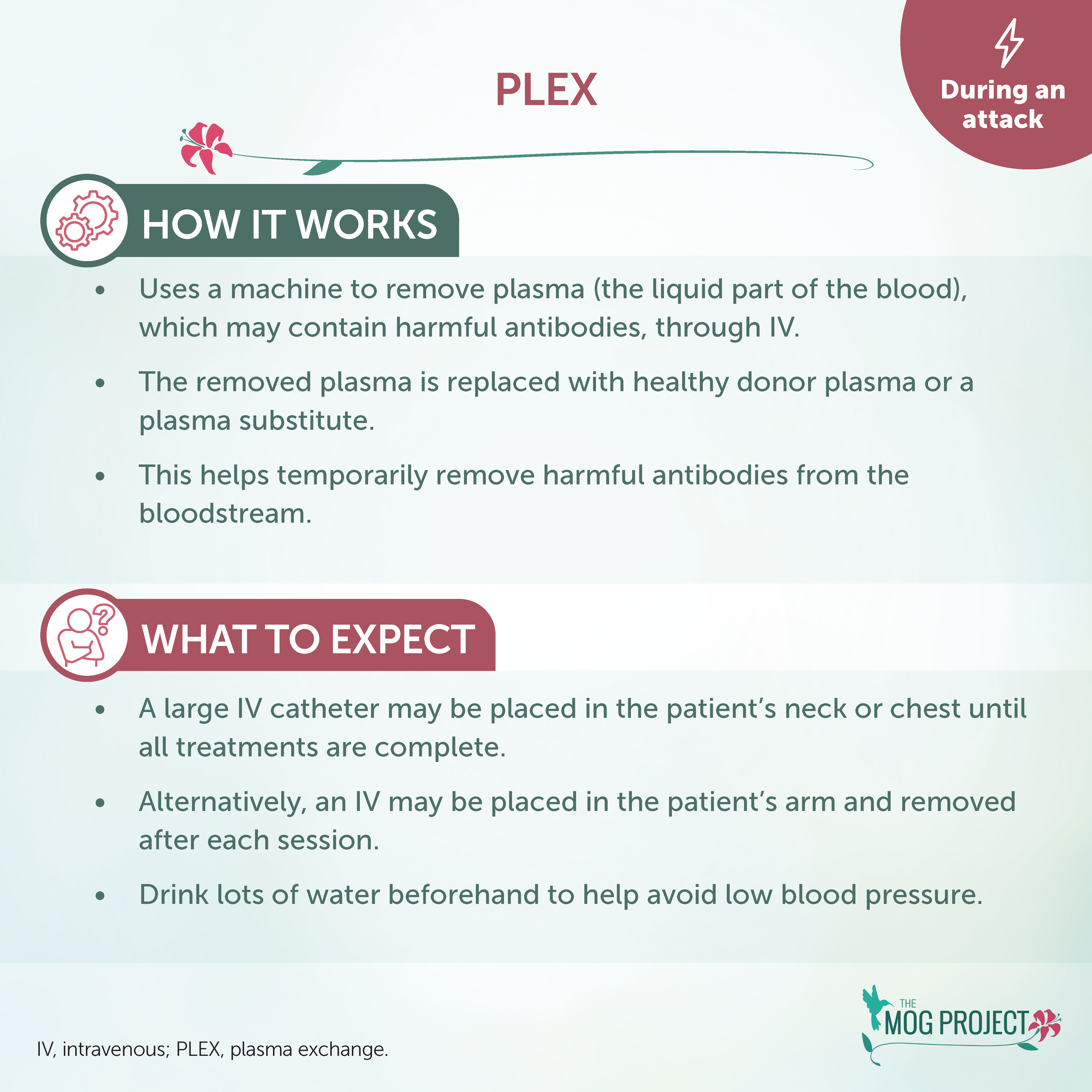
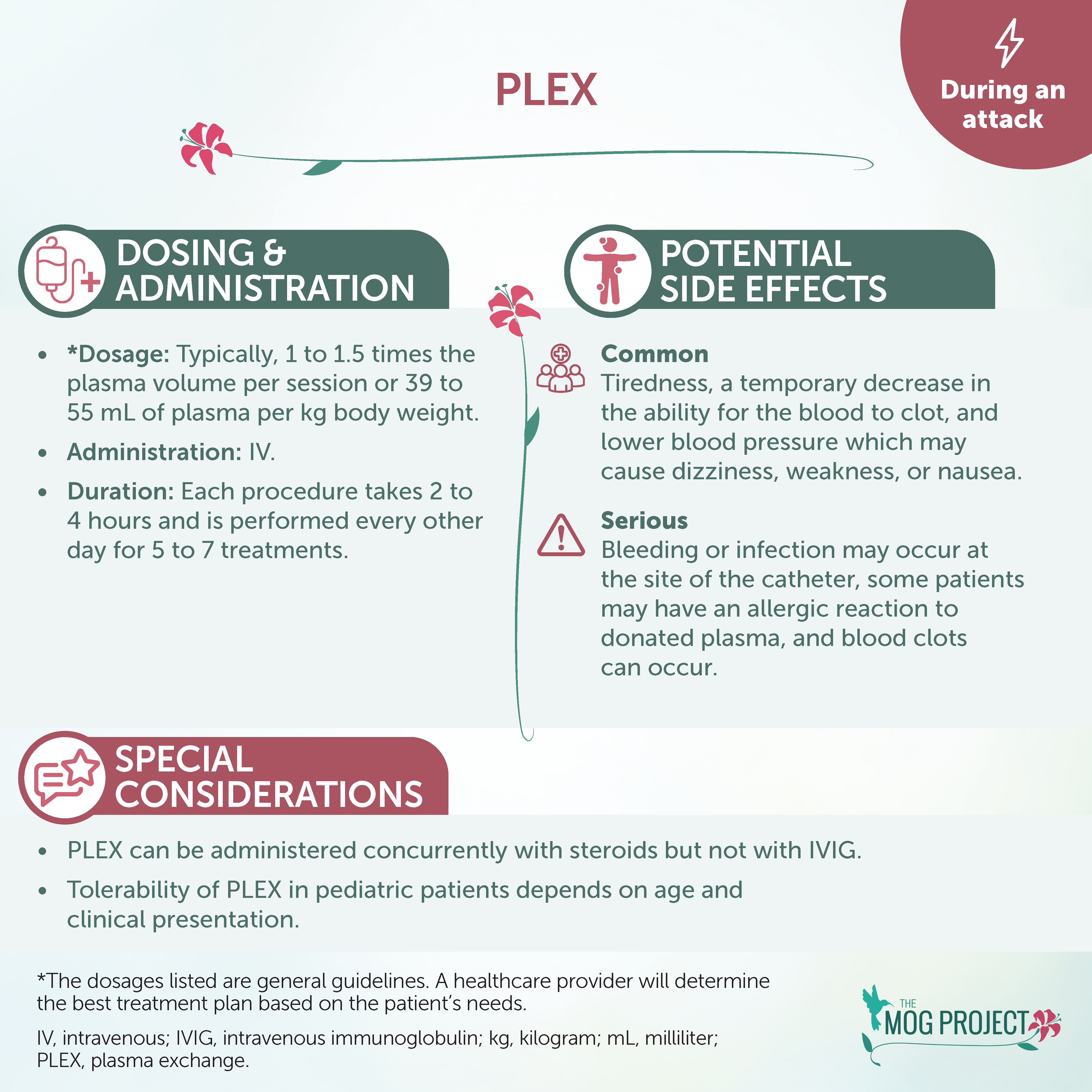

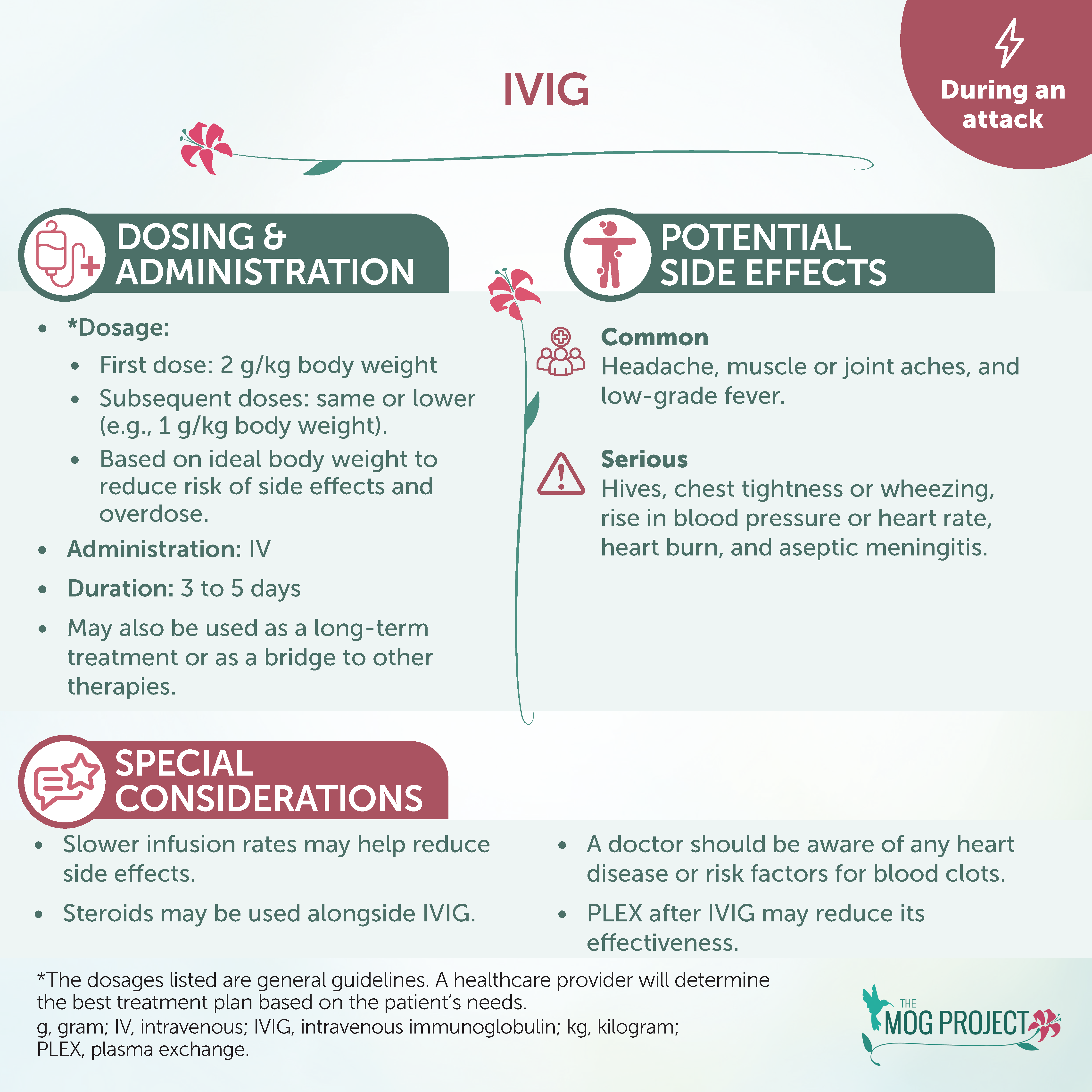
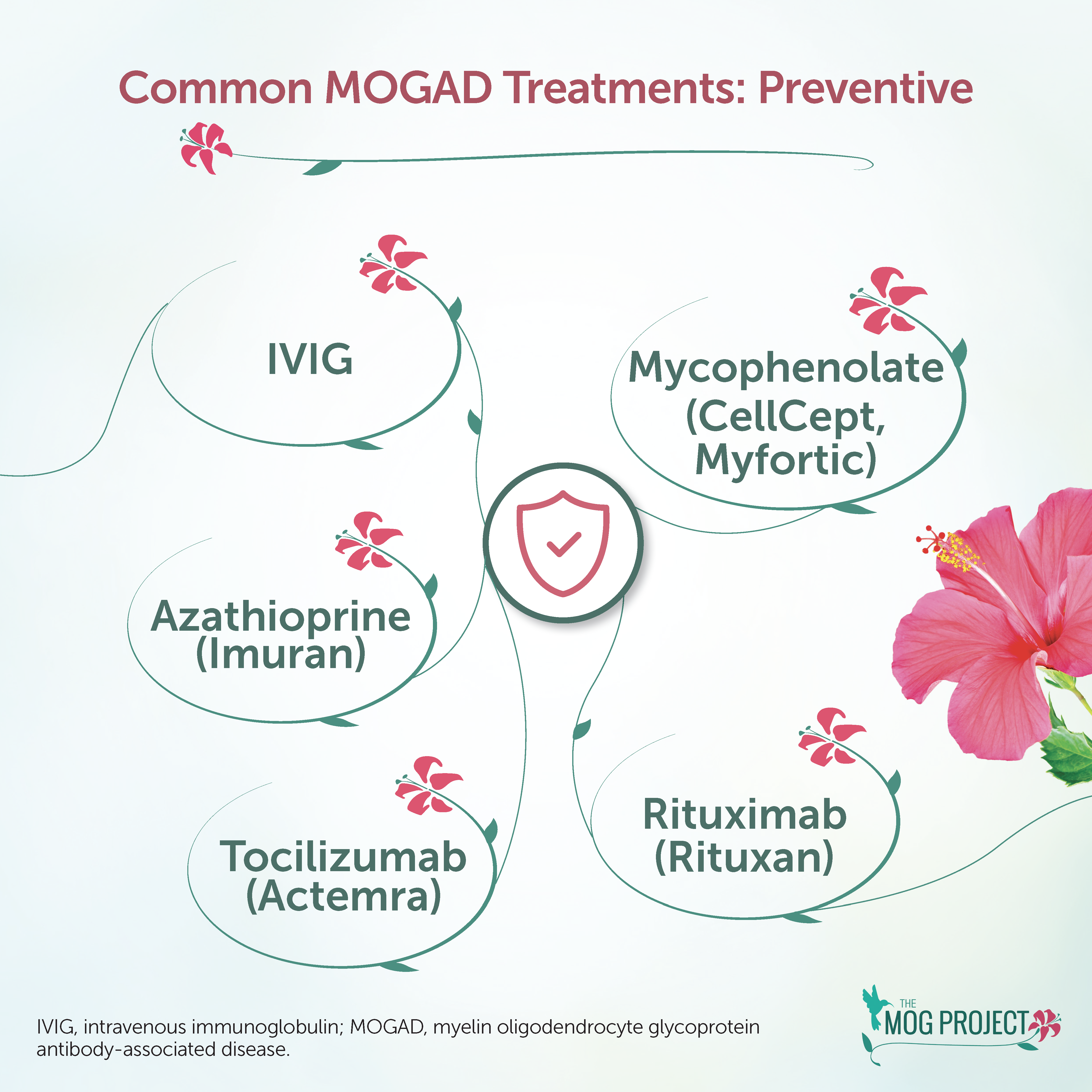
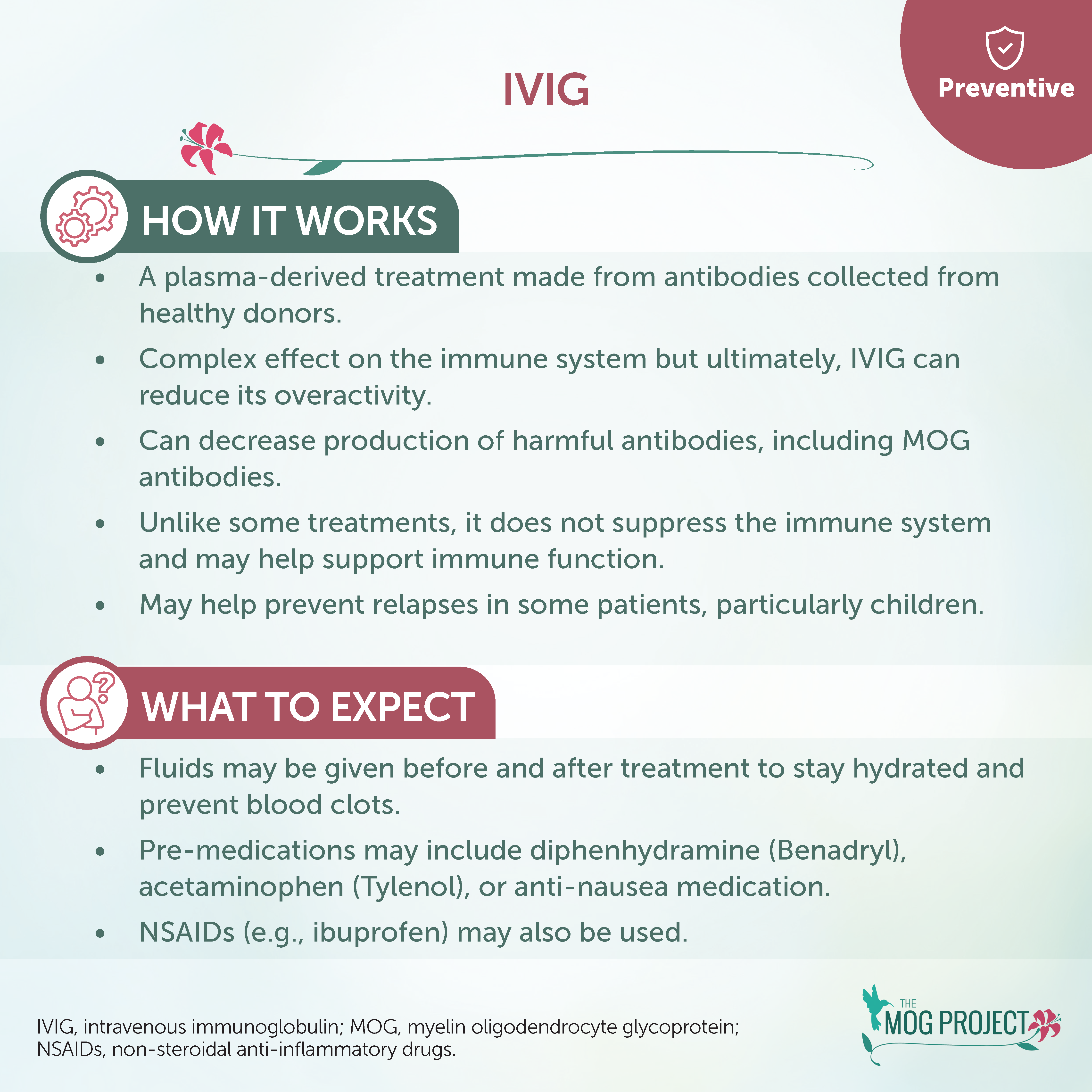
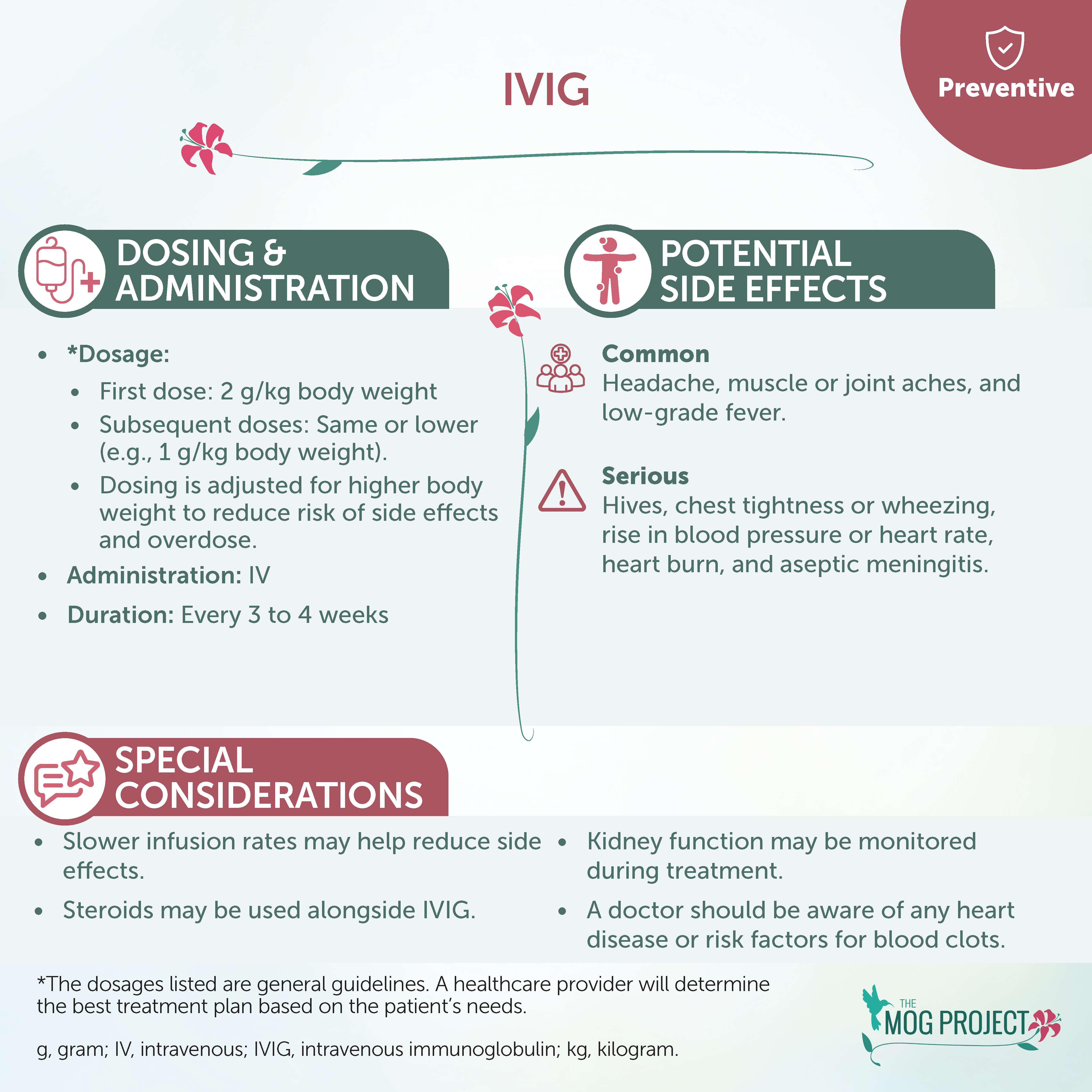
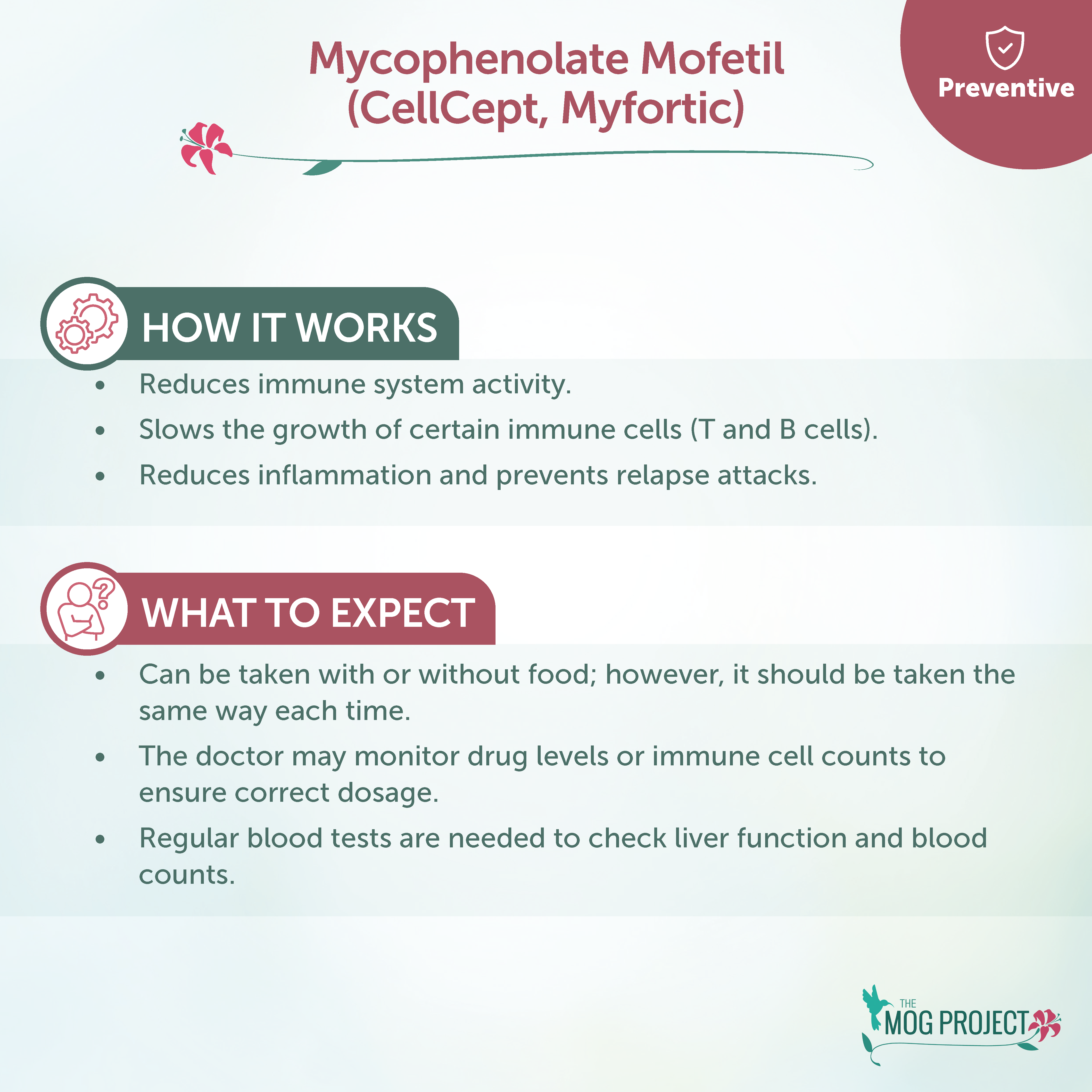
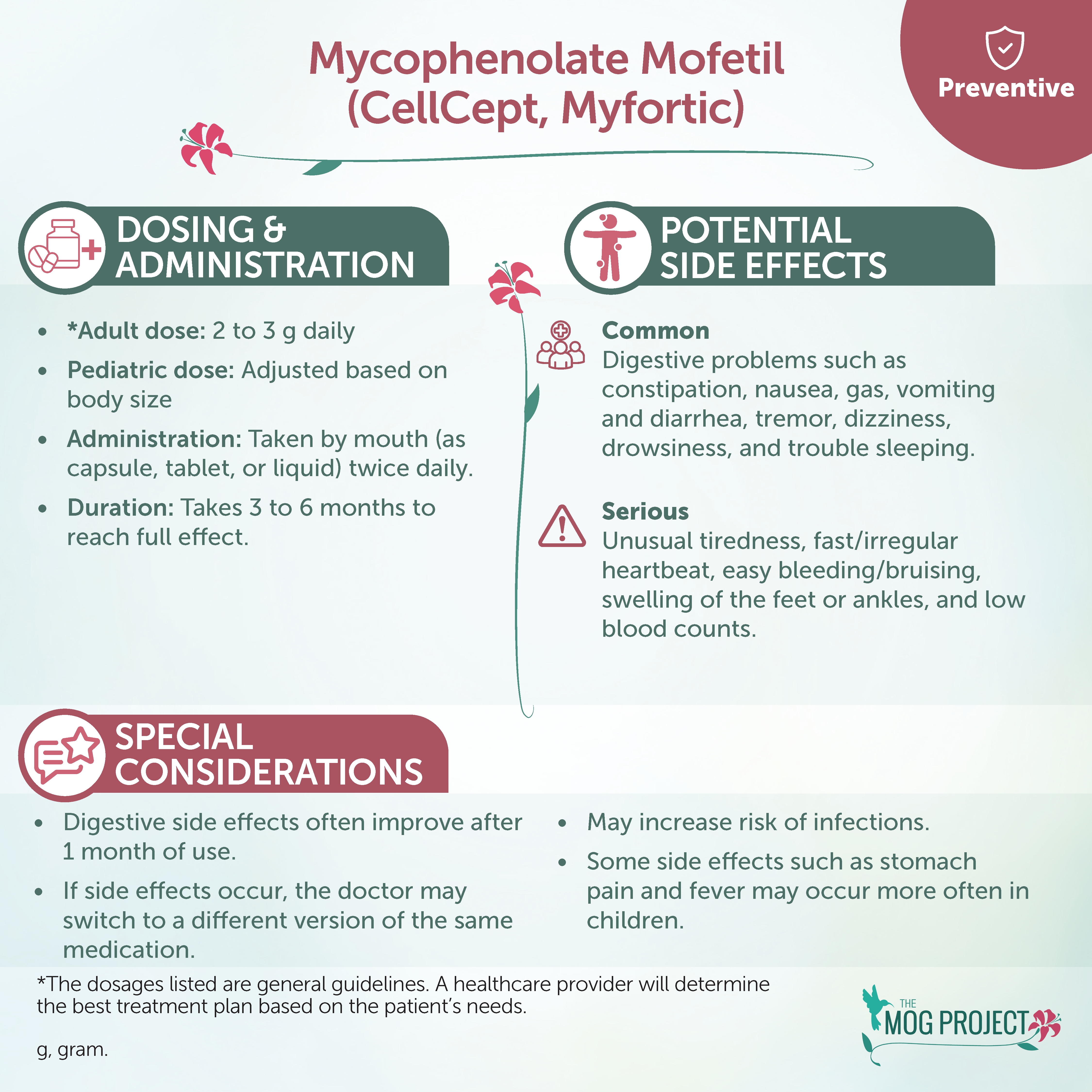
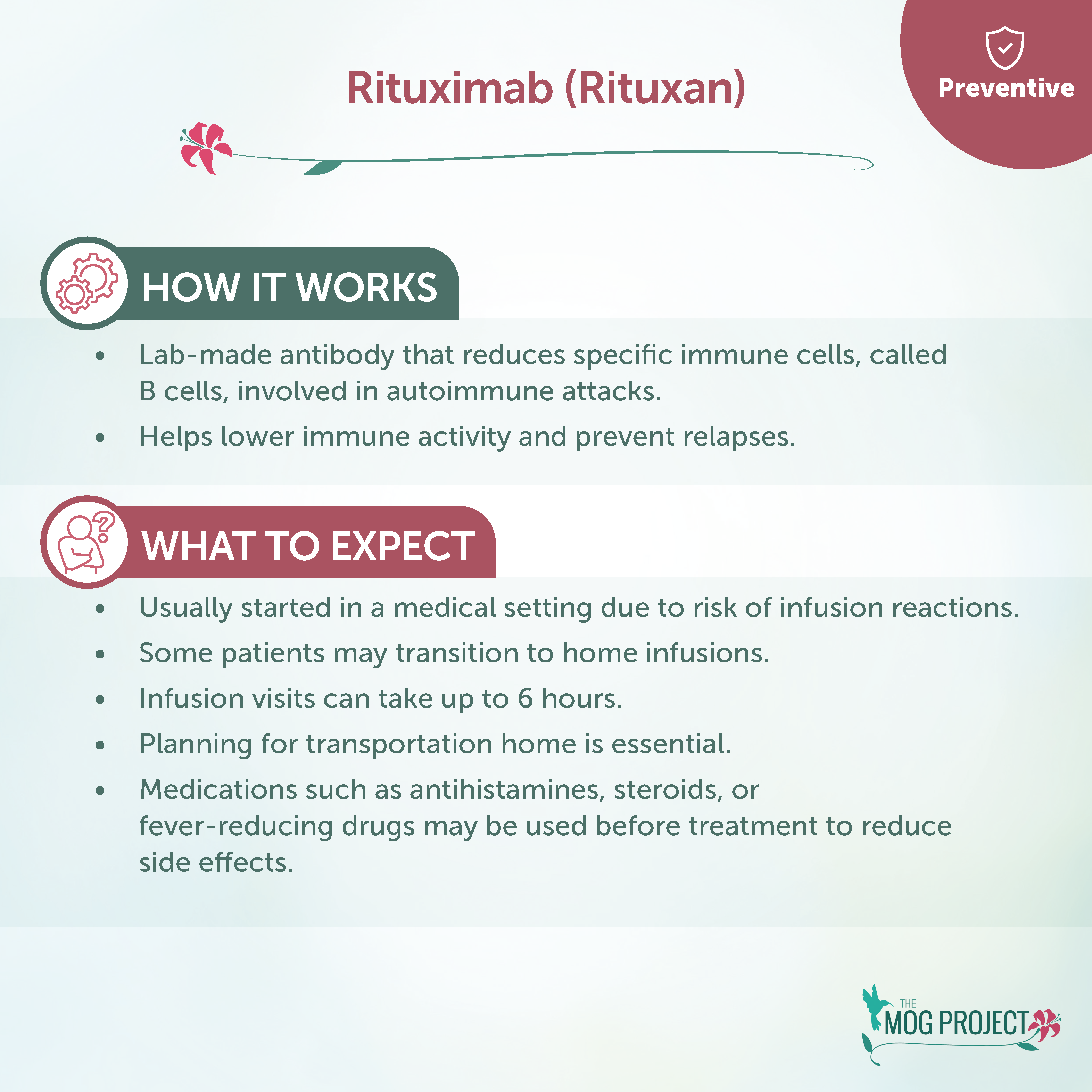
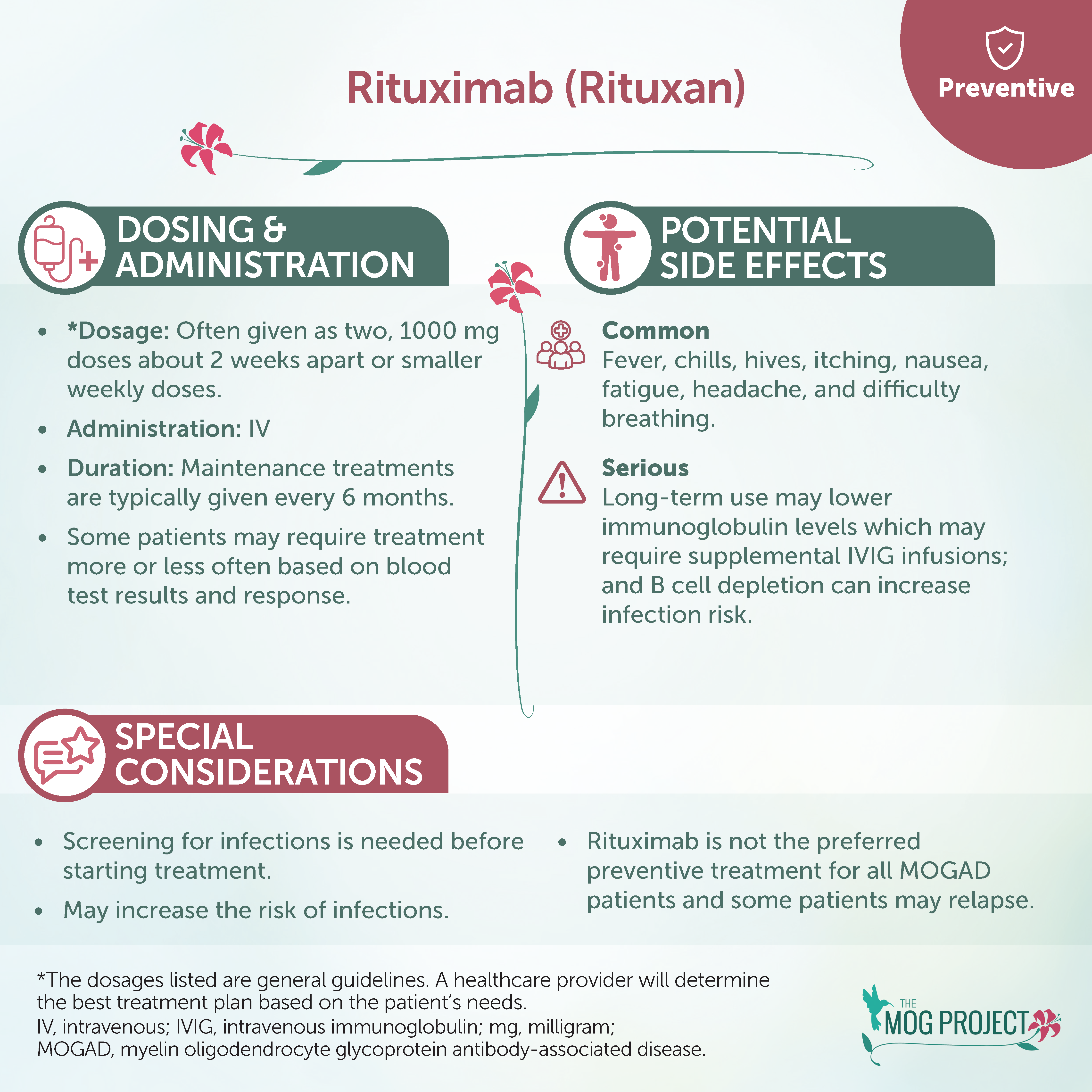
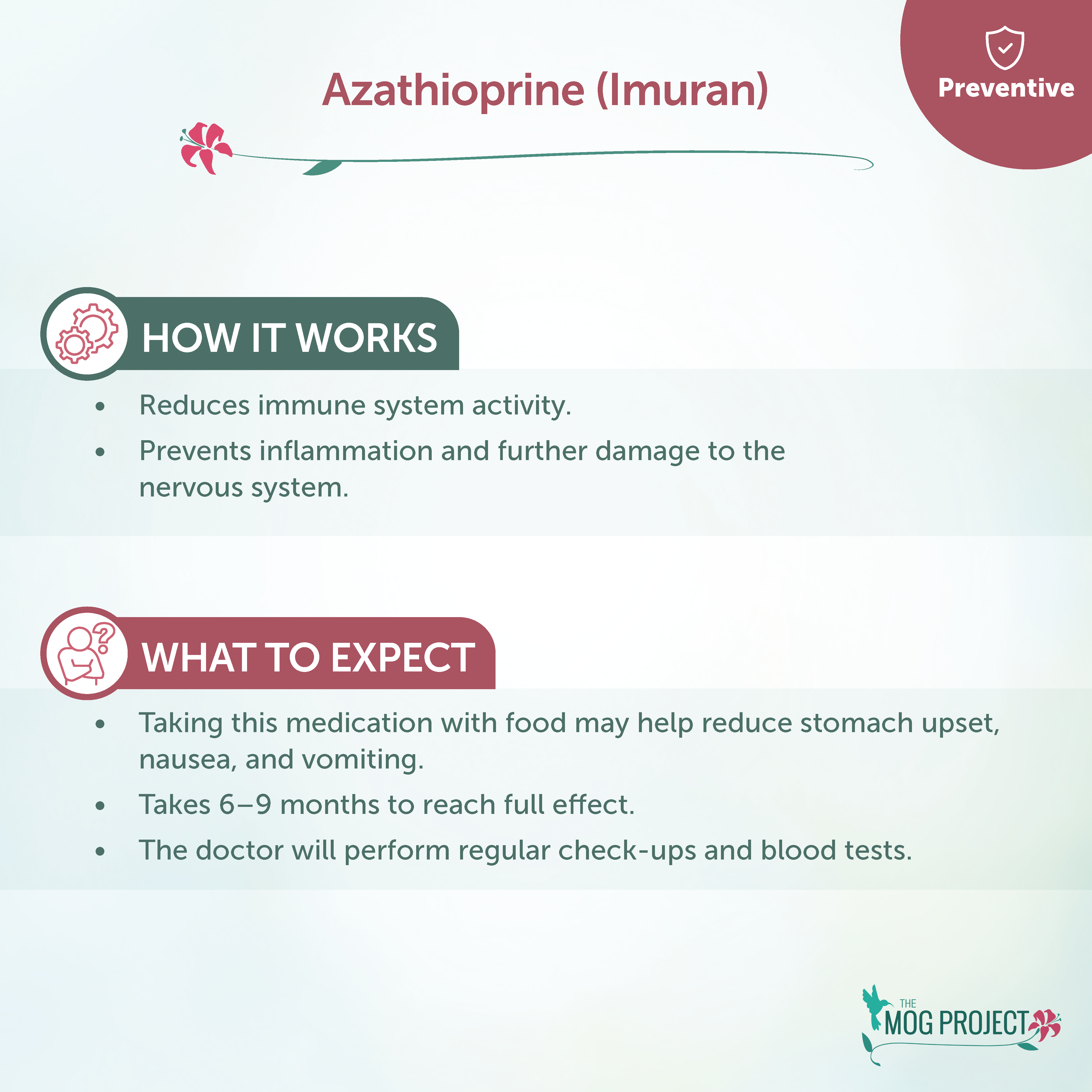
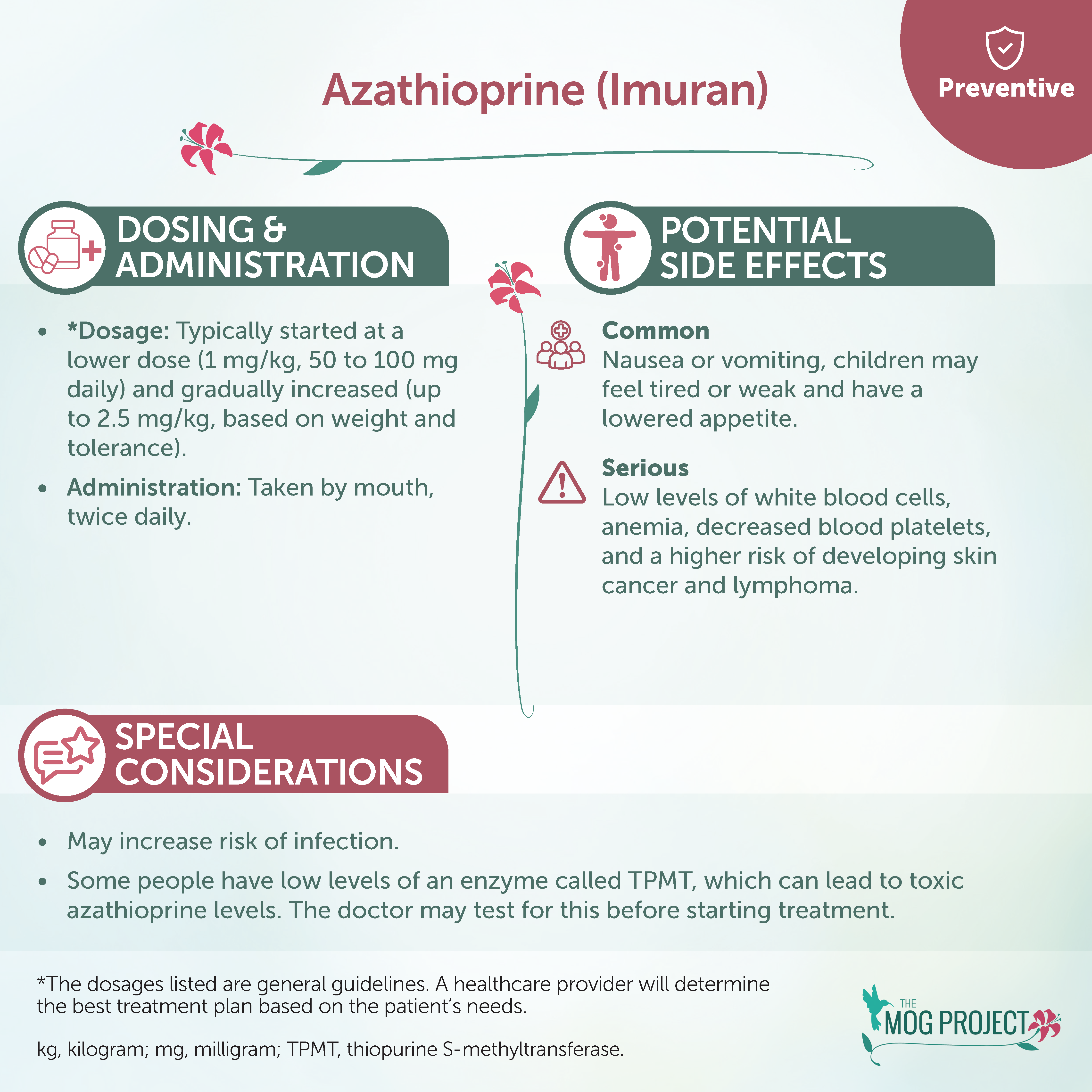
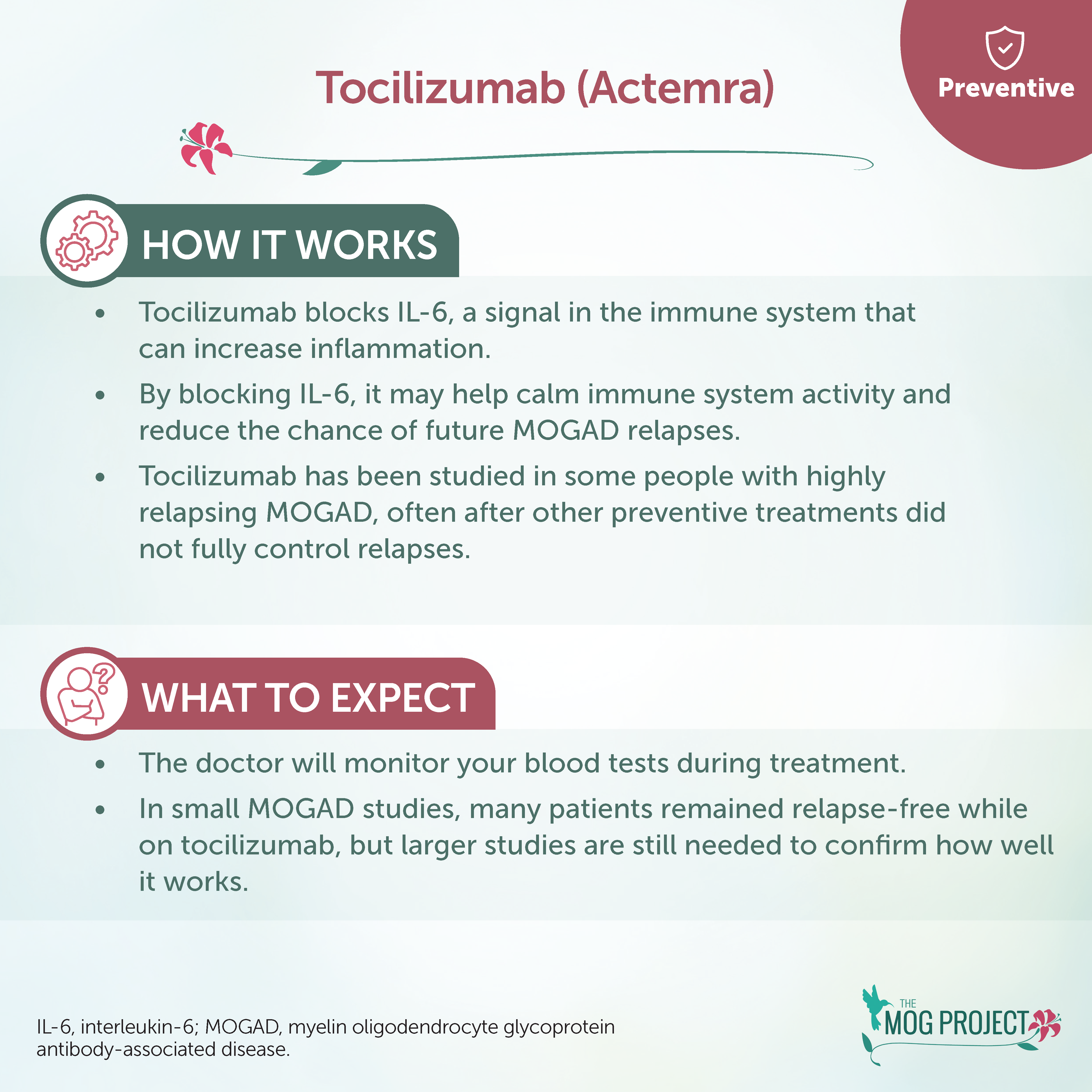
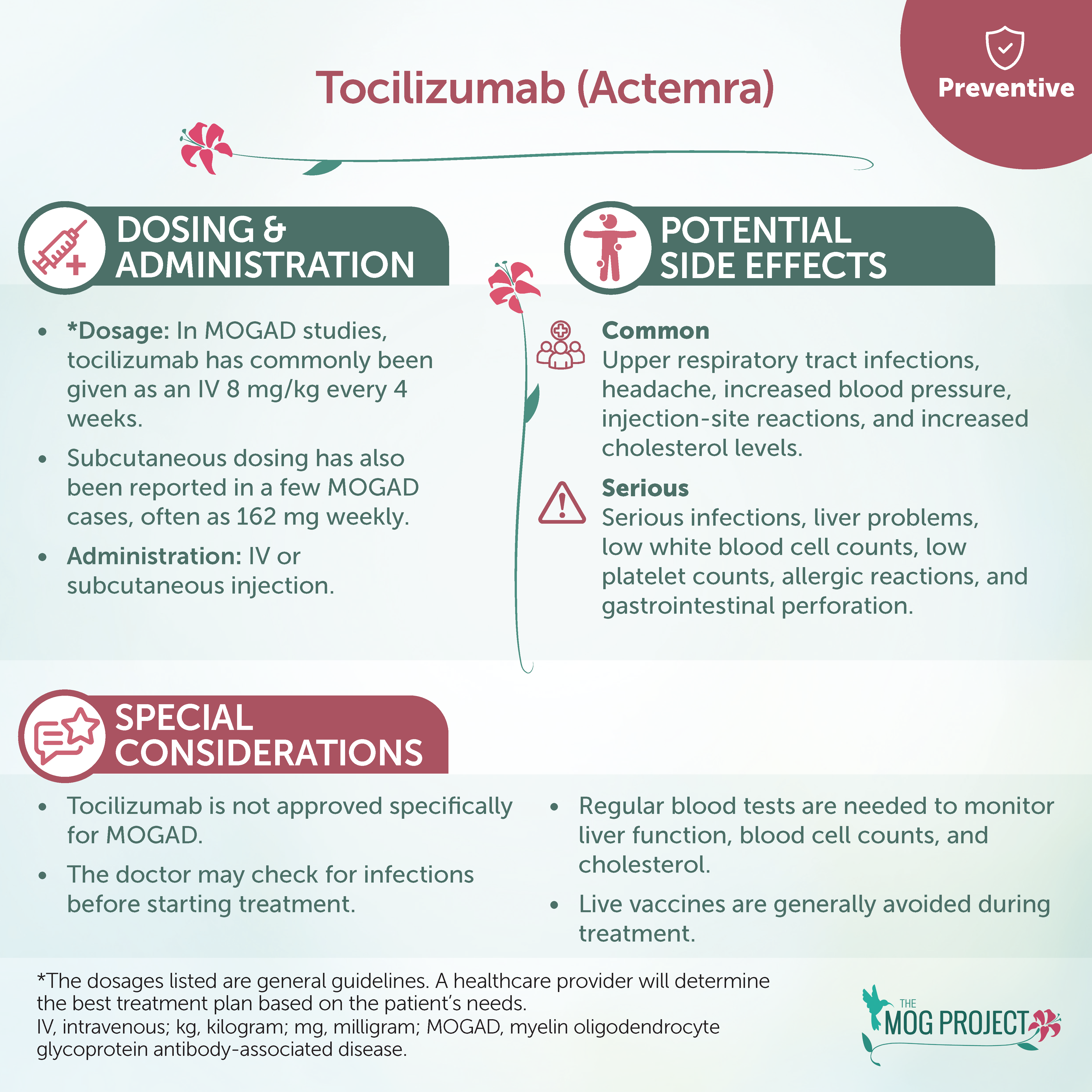

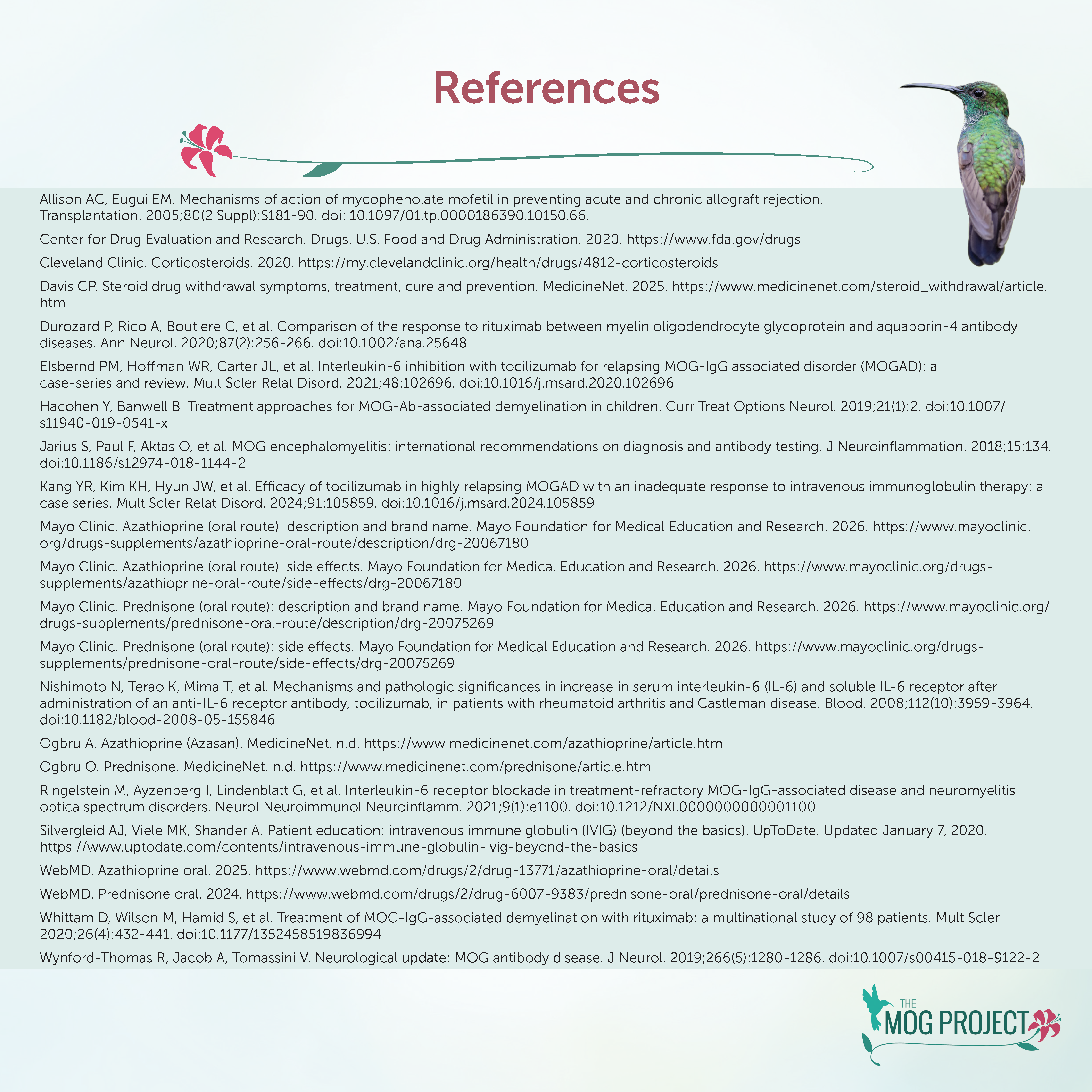
Learn about treatments used during MOGAD attacks and for relapse prevention, along with information about how treatments work, what to expect, potential side effects, and why treatment plans are individualized.
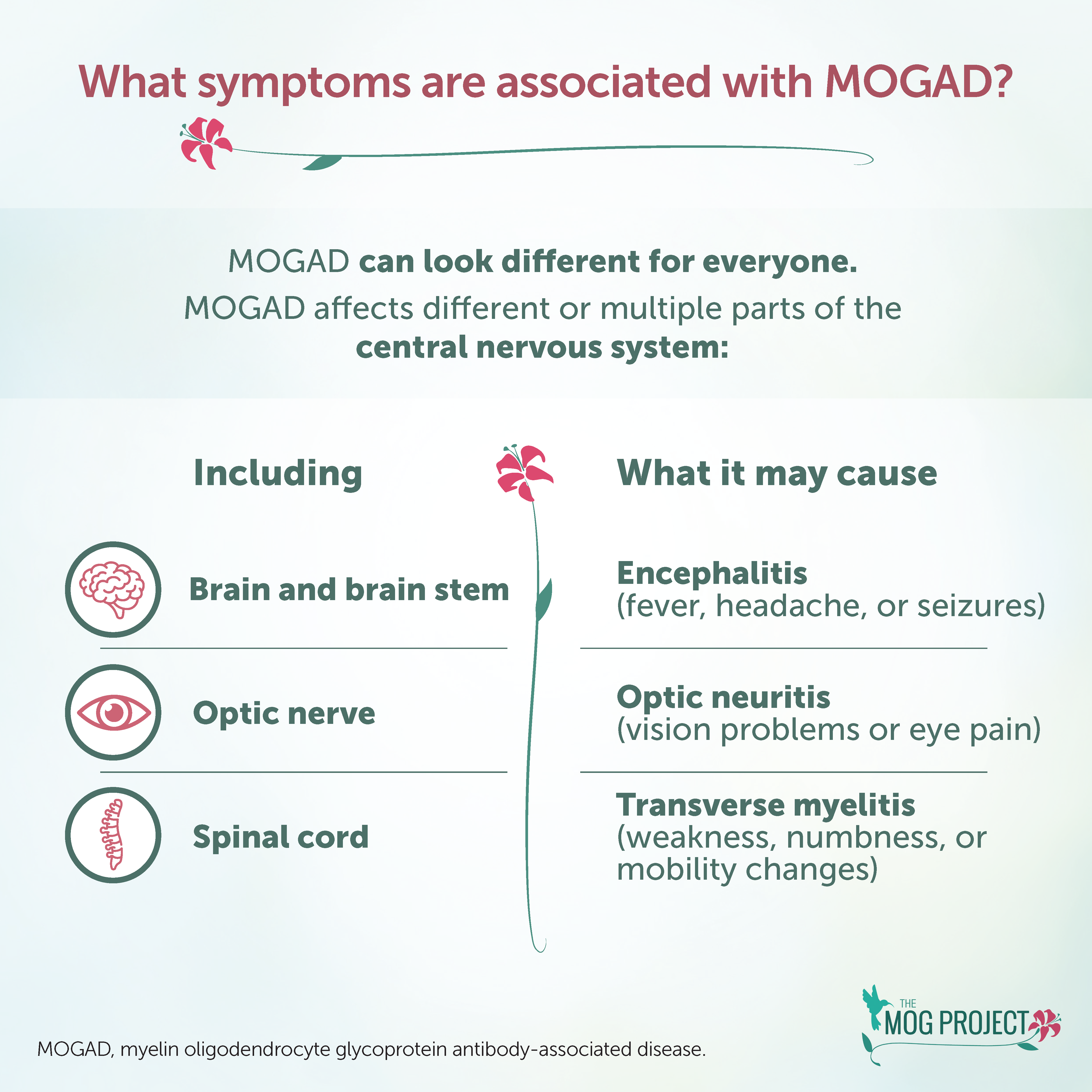
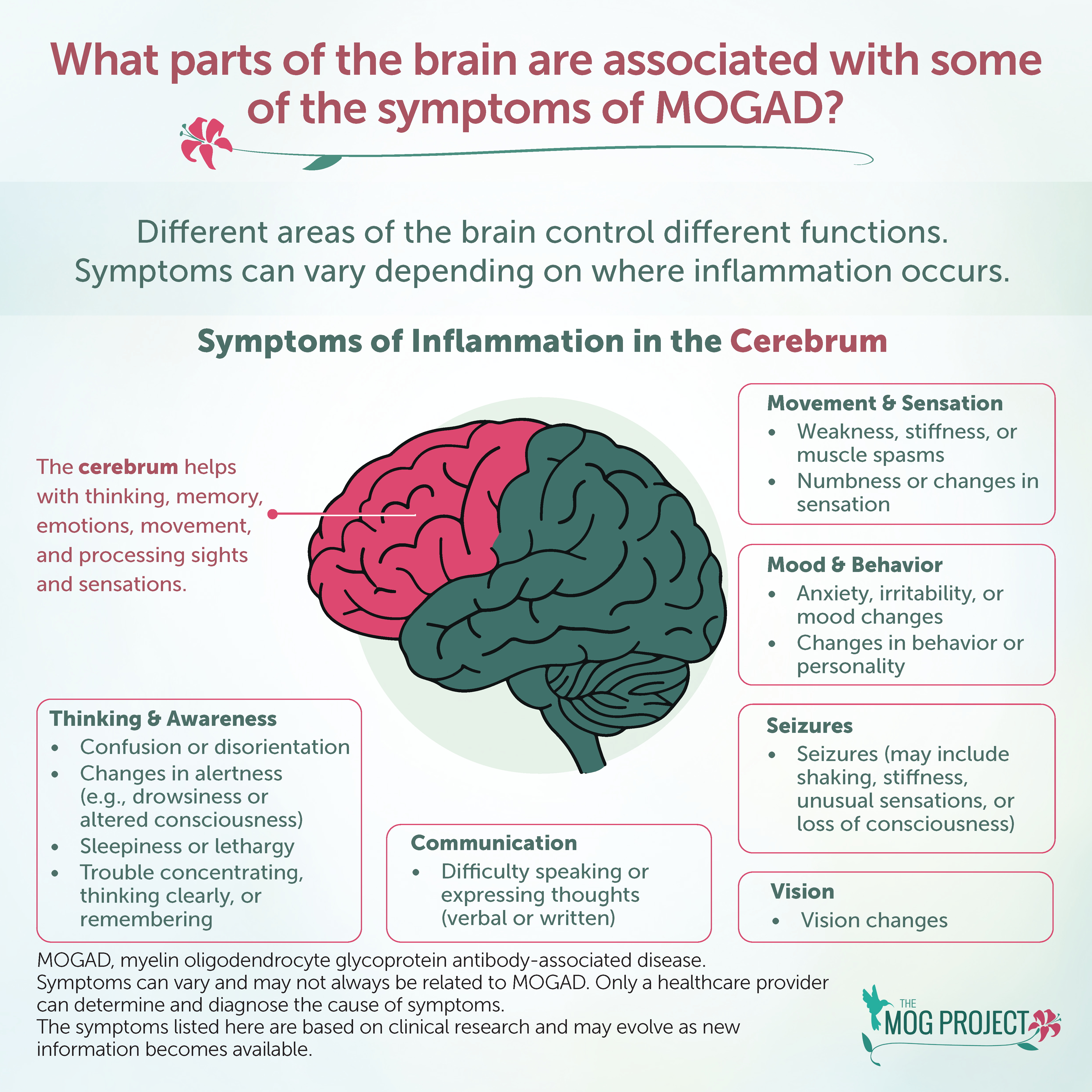

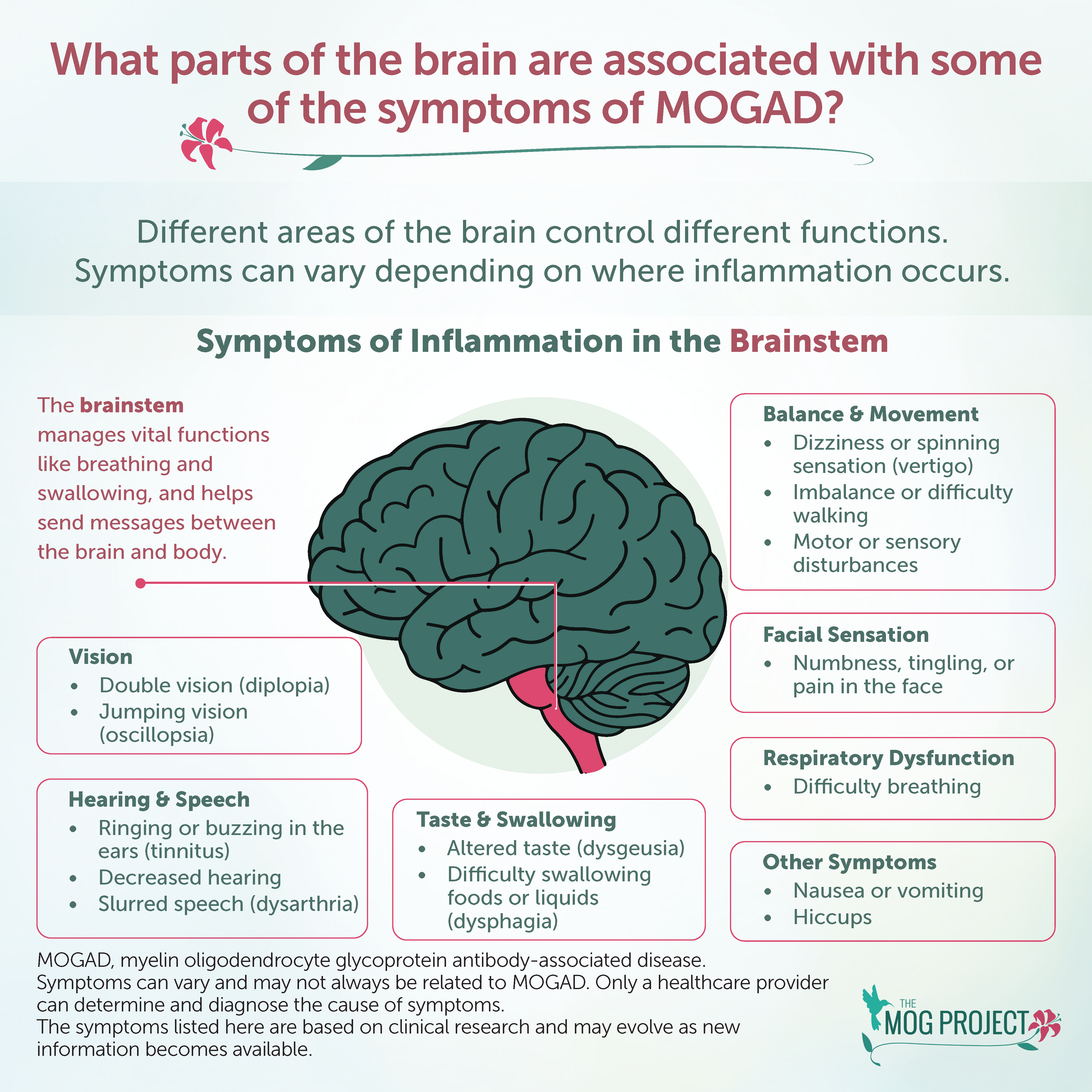

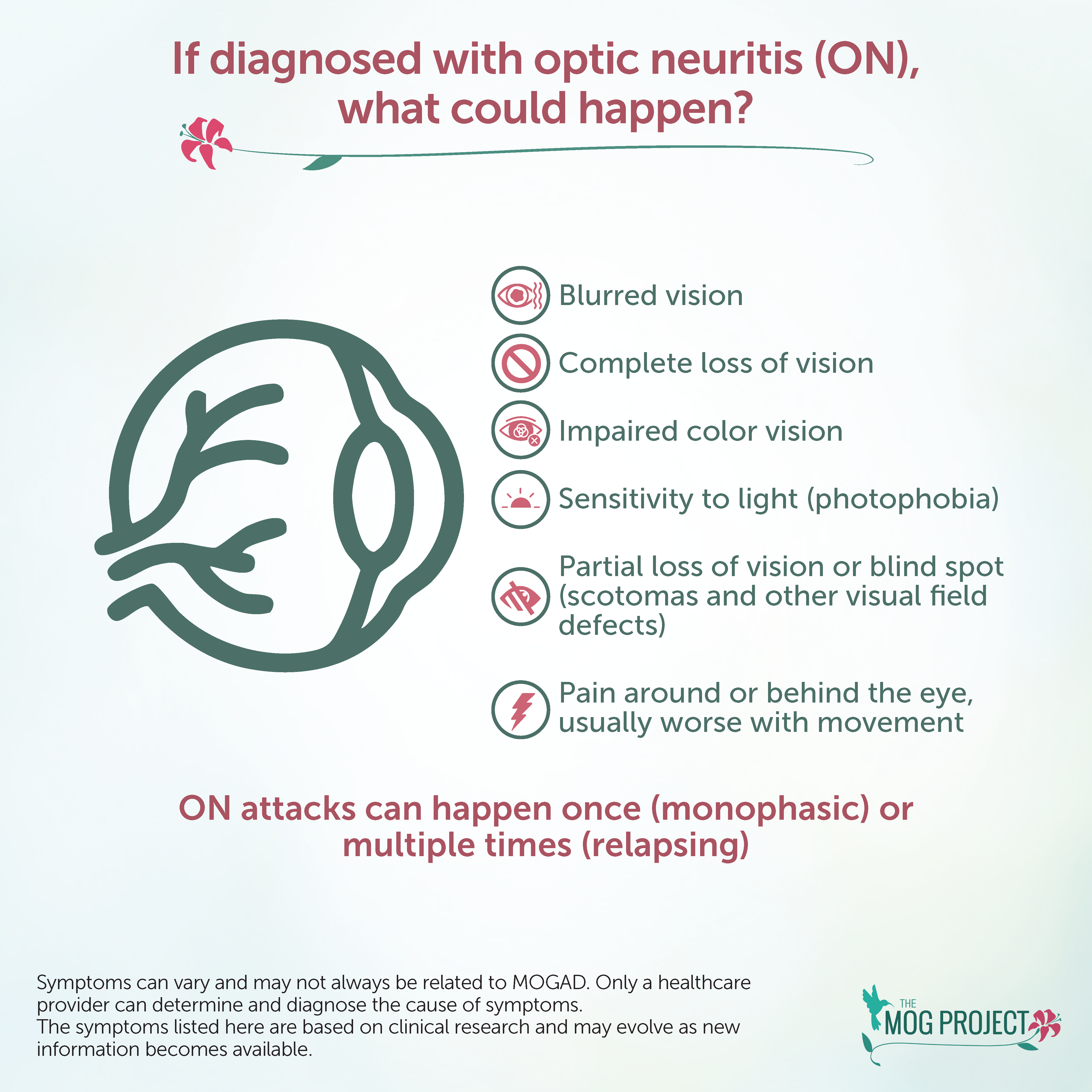

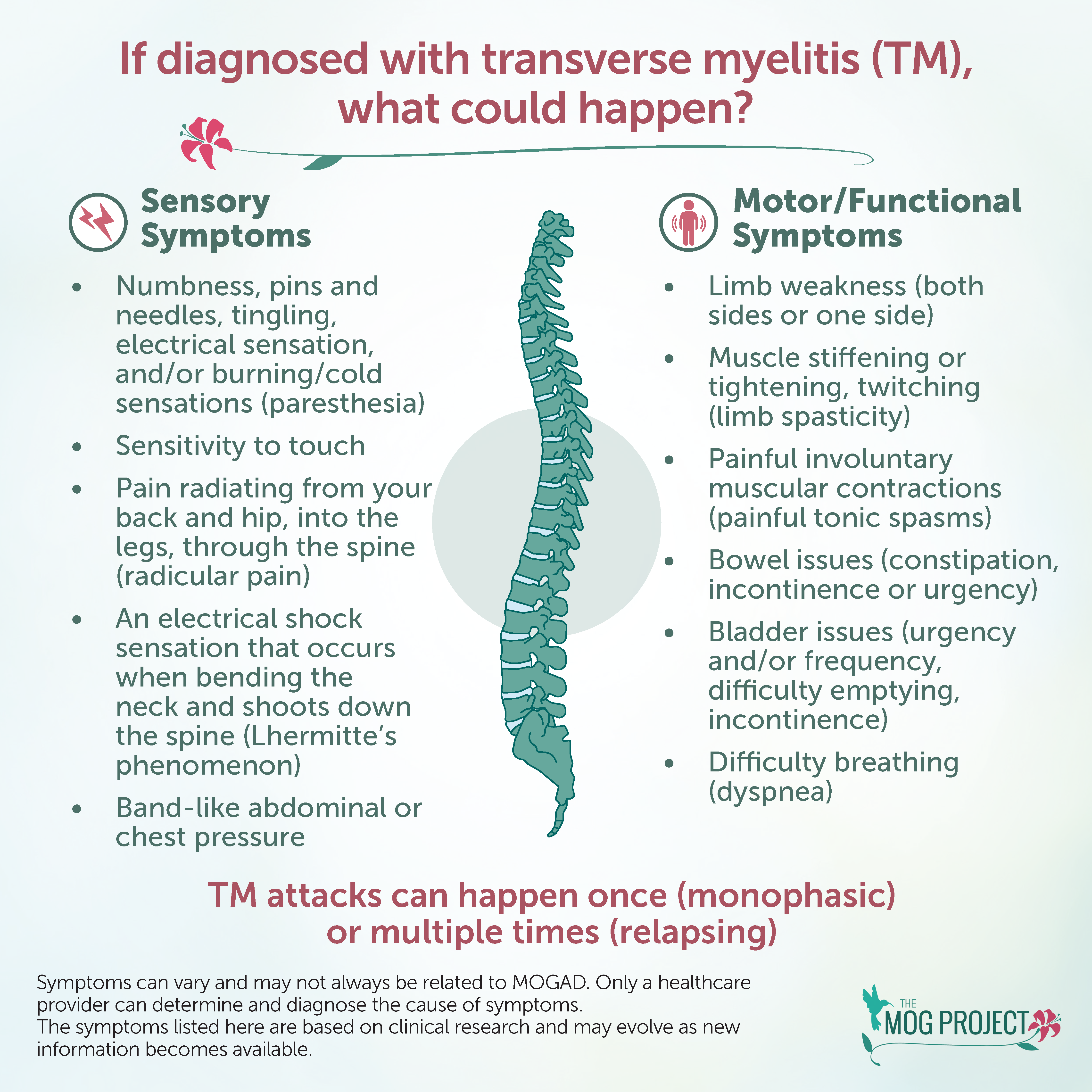
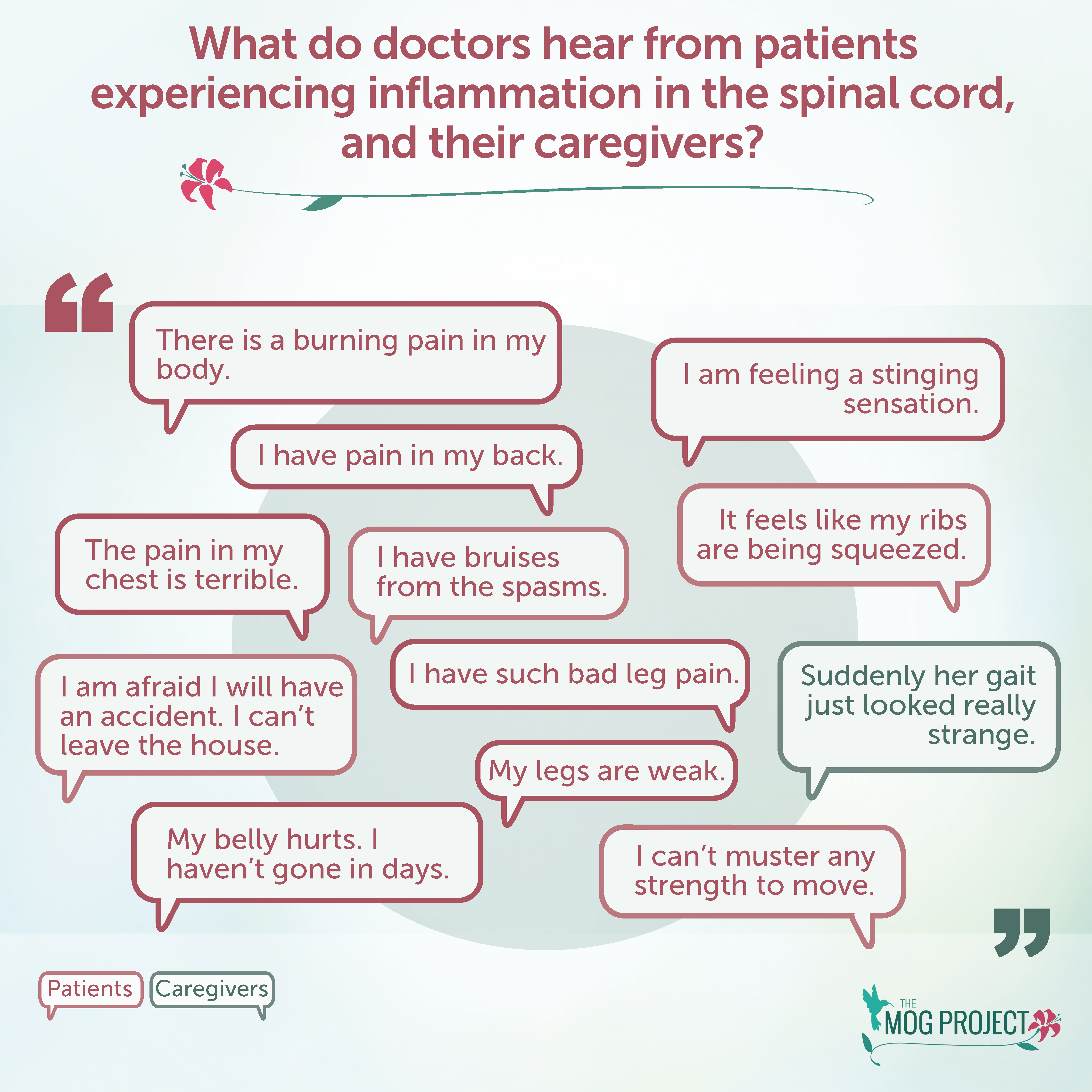
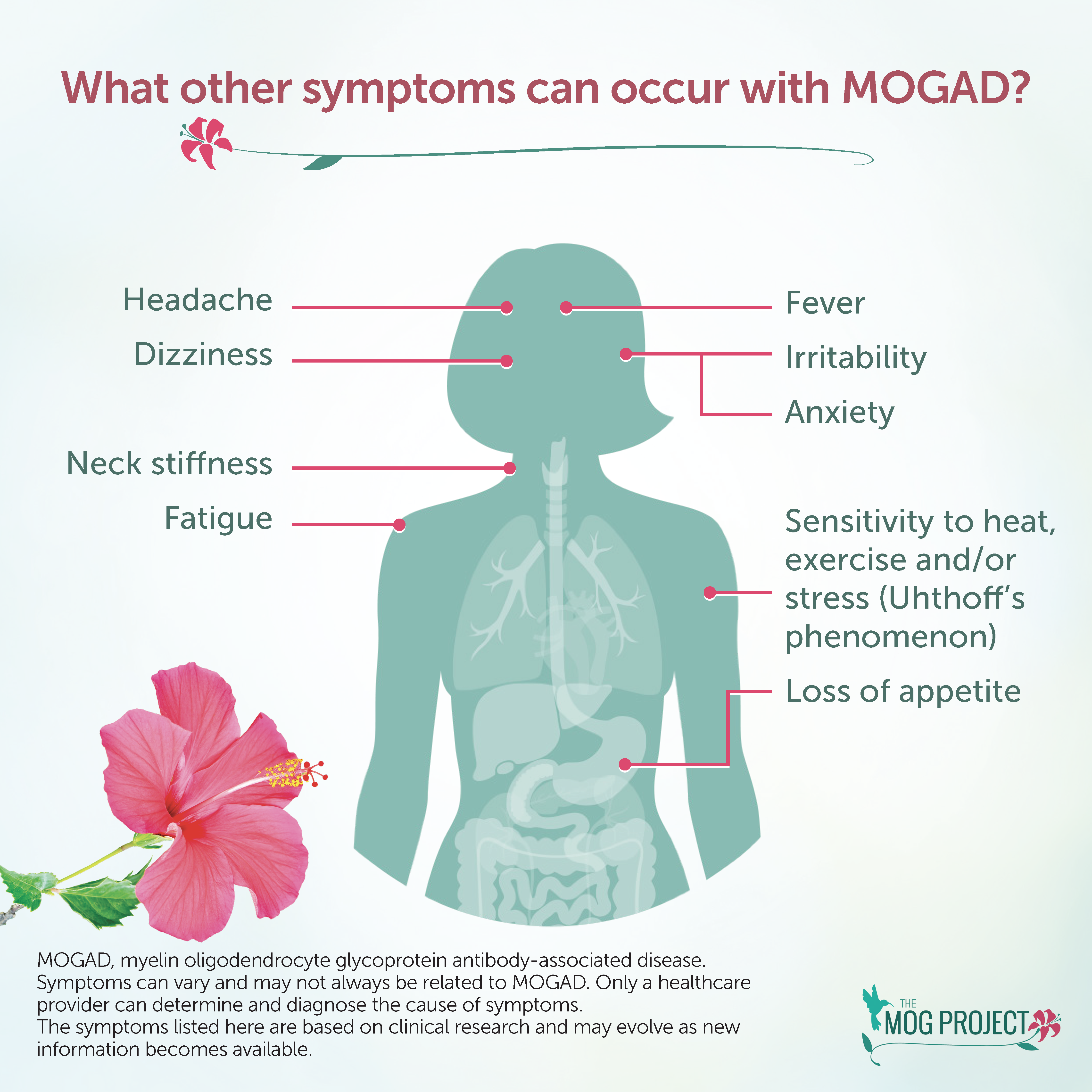
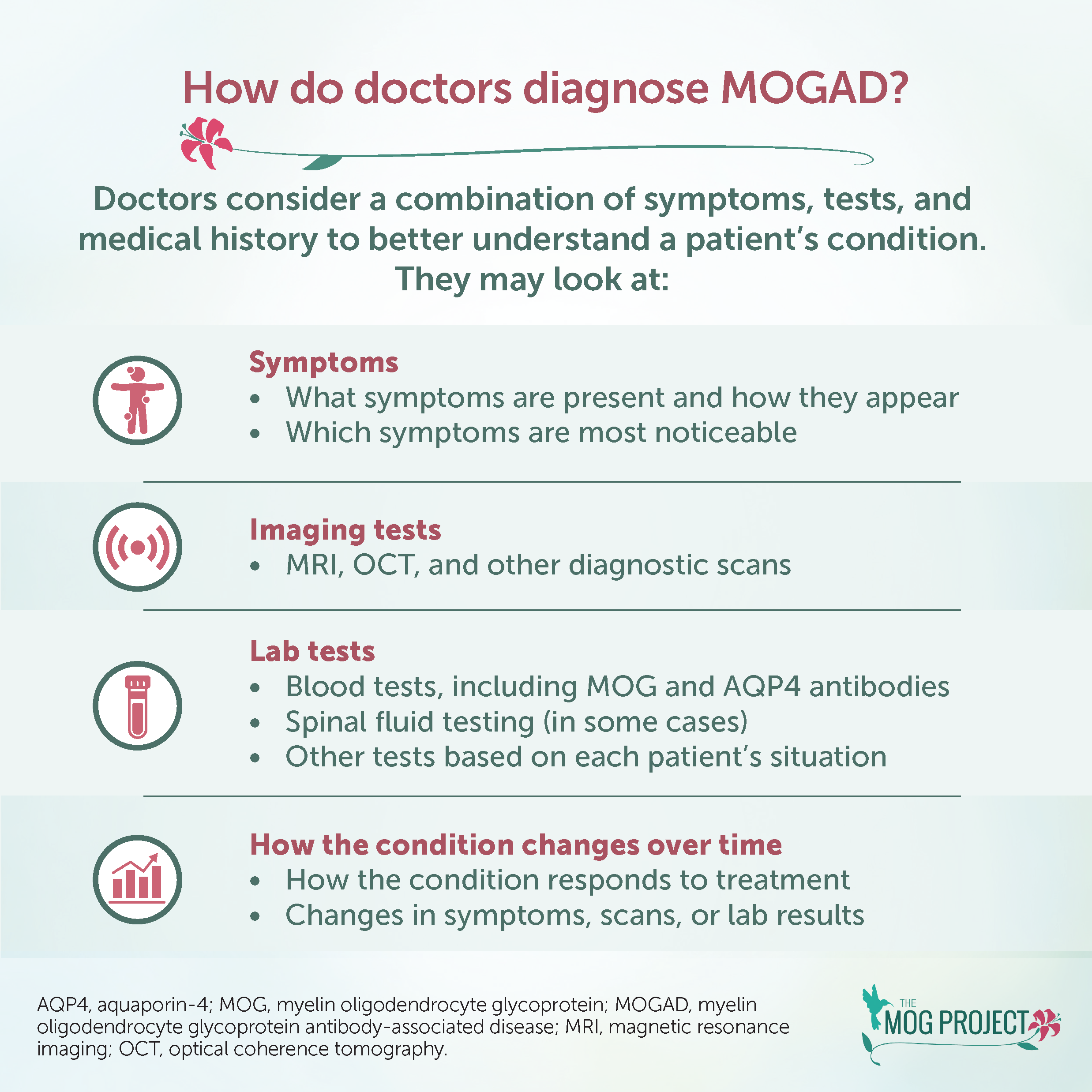


Take a closer look at the symptoms associated with inflammation in different areas of the central nervous system, including the brain, brainstem, optic nerve, and spinal cord.
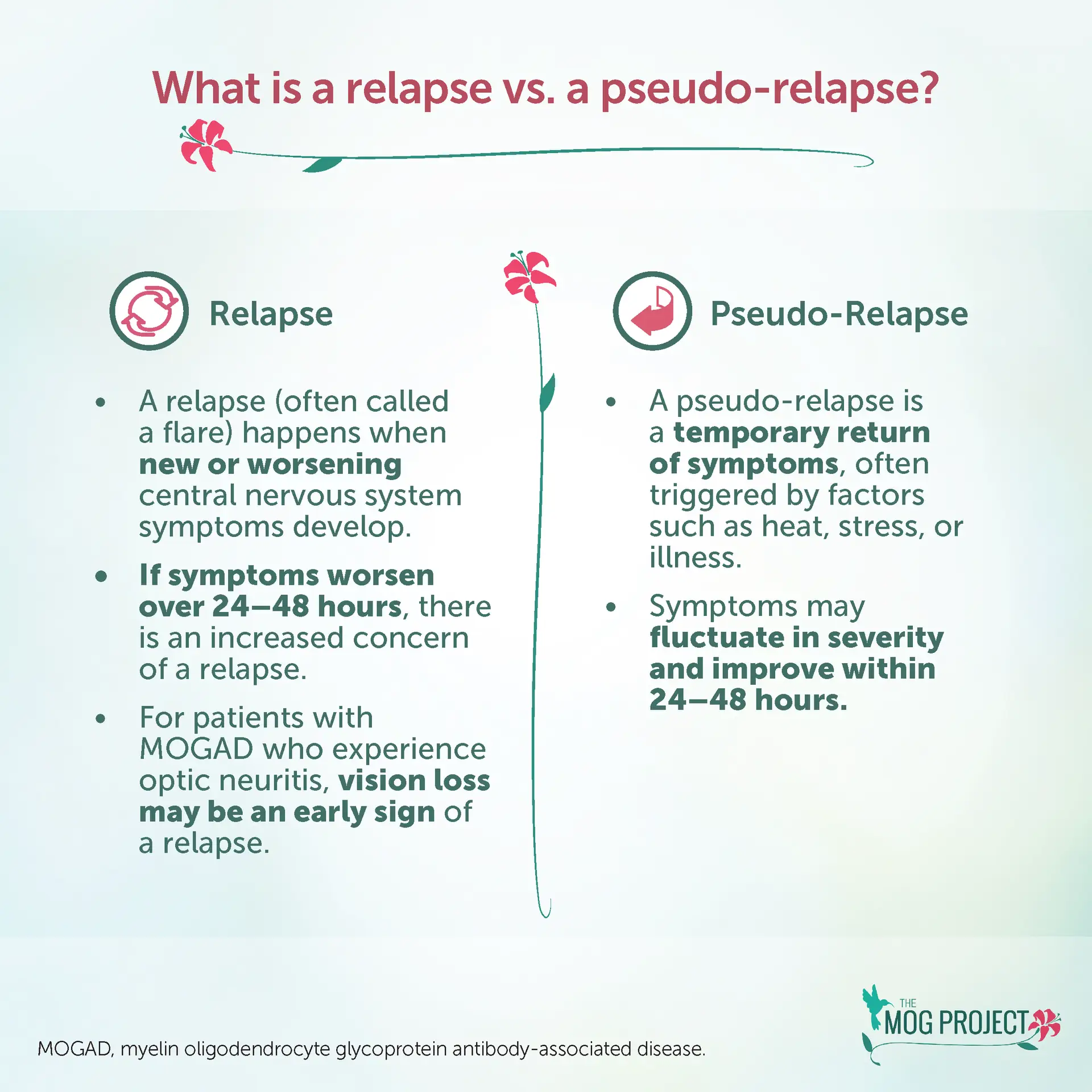

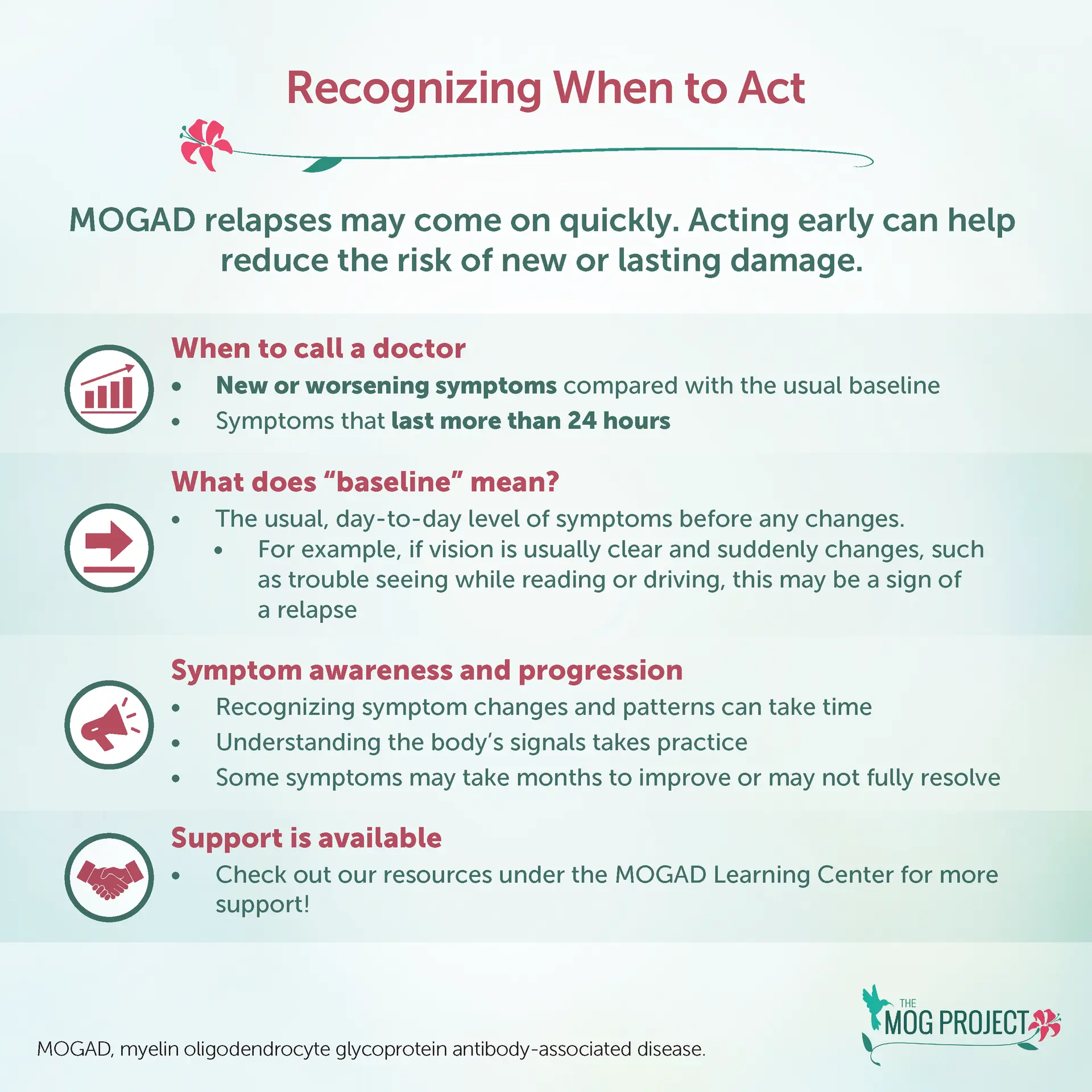



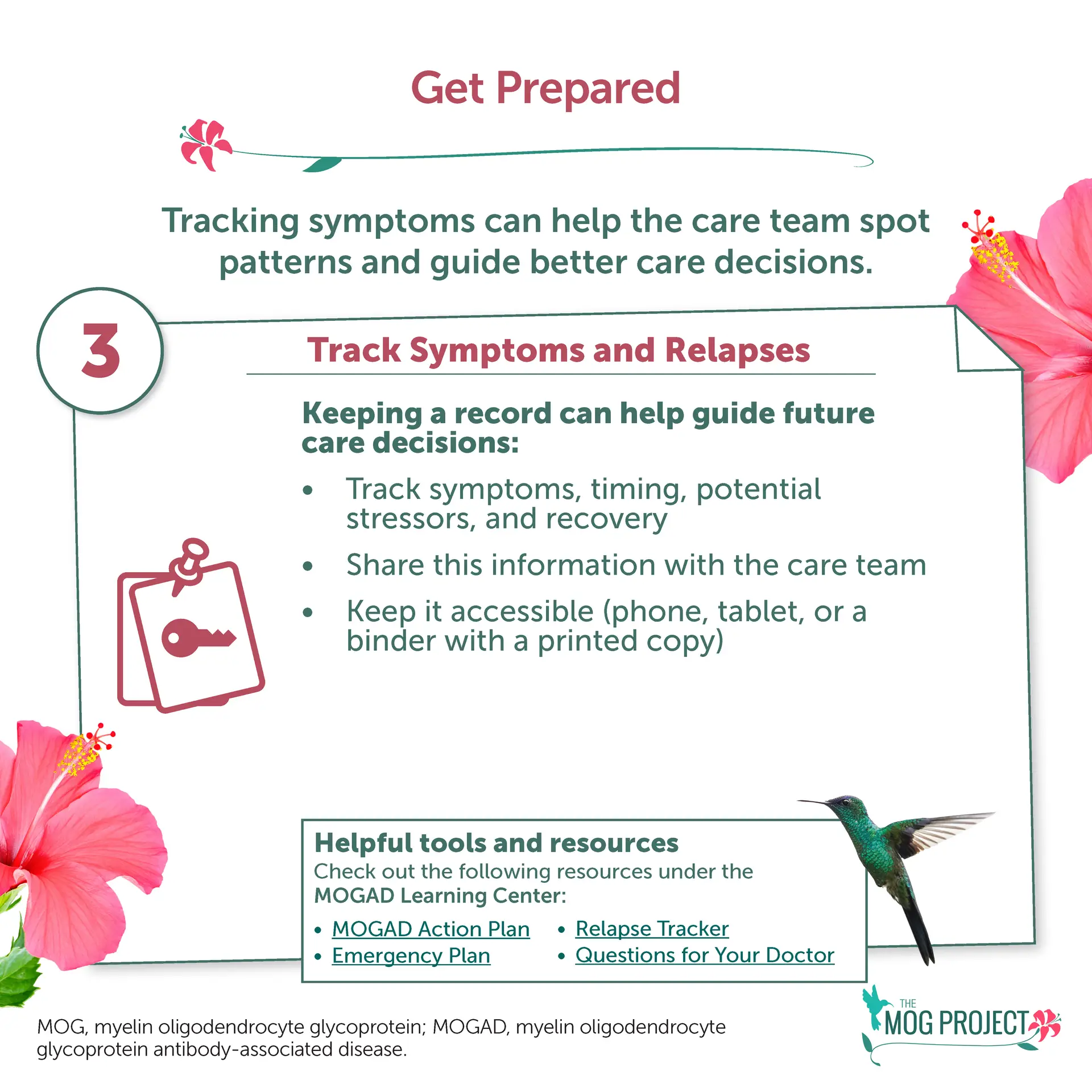


Learn how to recognize potential relapses, understand the difference between a relapse and a pseudo-relapse, know when to contact your care team, and prepare for changes in symptoms.
MOGAD is complex. Learning about it doesn’t have to be.
Please remember: MOGbytes is intended for educational purposes only and is not a substitute for medical advice, diagnosis, or treatment. Treatment decisions should always be made with a qualified healthcare provider who understands your individual medical history and needs.
MOGbytes is brought to you by The MOG Project in partnership with UCB. We thank UCB for supporting the development of this educational series and our shared commitment to increasing awareness and understanding of MOGAD!