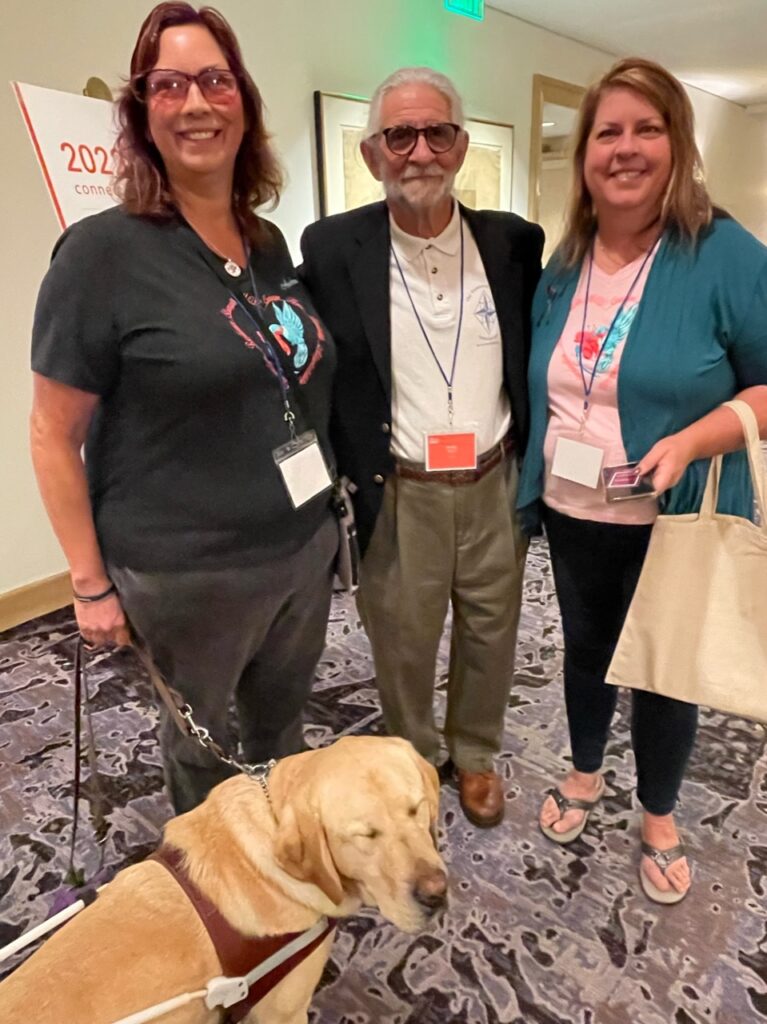
For our third time together this year, I walked down the hall of the second floor of the Hilton LAX, Los Angeles, California, with our Director of Blind Resources, Andrea Mitchell, her husband James and guide dog, Indy, official MOGA type of protein involved in cell adhesion. Present throughout myelin sheaths. Dog of The MOG Project. Indy, the star of any gathering, led Andrea through the crowd like the professional he is. With his working gear off, he’s a loving playful pup, but when suited up, he is clearly onInflammation of the optic nerve that may be classified as unilateral (affecting one eye) or bilateral (affecting both eyes) that may result in vision changes, vision loss, and/or pain with eye movement. duty and ready for instructions.
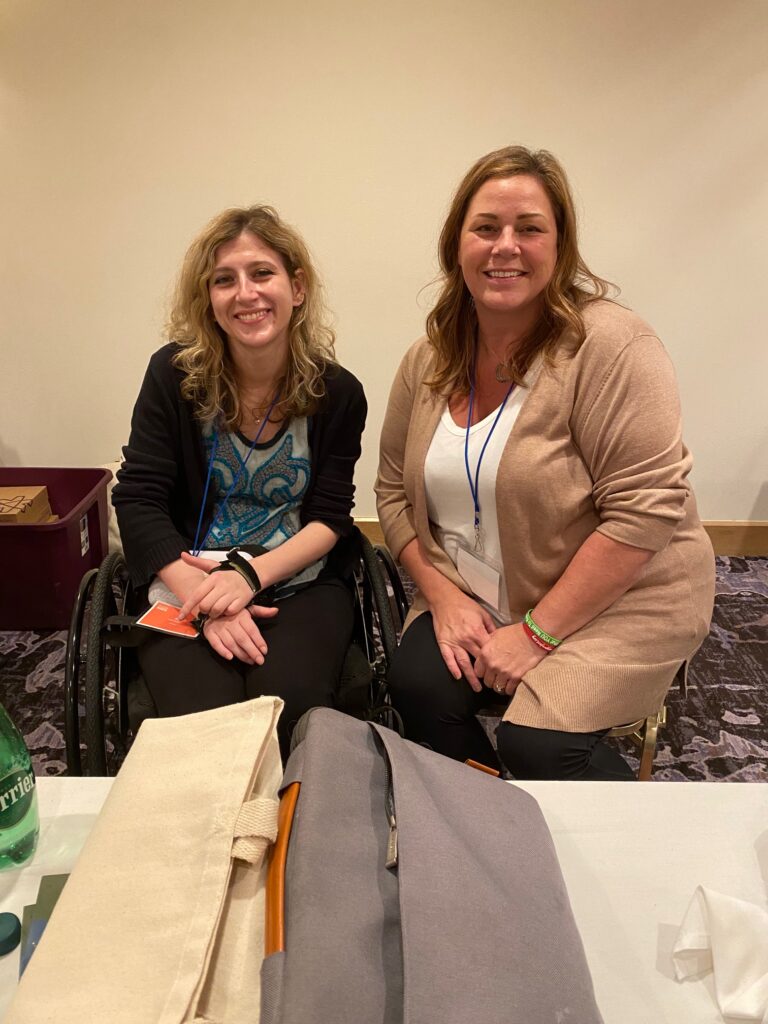
With MOGA type of protein involved in cell adhesion. Present throughout myelin sheaths. Gear in hand, we were ready to set up our booth at the Siegel Rare Neuroimmune Association’s (SRNA) Rare NeuroimmuneA term that refers to the components of the immune system that acts in and affects the central nervous system. Disease Symposium (RNDS) 2022. Turning the corner, we were greeted by GG DeFiebre, smiling as always. Hugs were exchanged and there was a flurry of words about our excitement to start this great weekend. We soon ran into Chitra Krishnan, whose leadership of the SRNA has been pivotal in creating an organization that helps thousands of people with rare neuroimmuneA term that refers to the components of the immune system that acts in and affects the central nervous system. disorders onInflammation of the optic nerve that may be classified as unilateral (affecting one eye) or bilateral (affecting both eyes) that may result in vision changes, vision loss, and/or pain with eye movement. a daily basis. Her warm welcome and bright smile greeted us and offered direction to get started onInflammation of the optic nerve that may be classified as unilateral (affecting one eye) or bilateral (affecting both eyes) that may result in vision changes, vision loss, and/or pain with eye movement. our educational experience as well as the opportunity to offer help for others with MOGADOften referred to as MOGAD, Anti-MOG, MOG Ab+, MOG Antibody Disease, MOG Associated Antibody Disease, MOG positive disease .
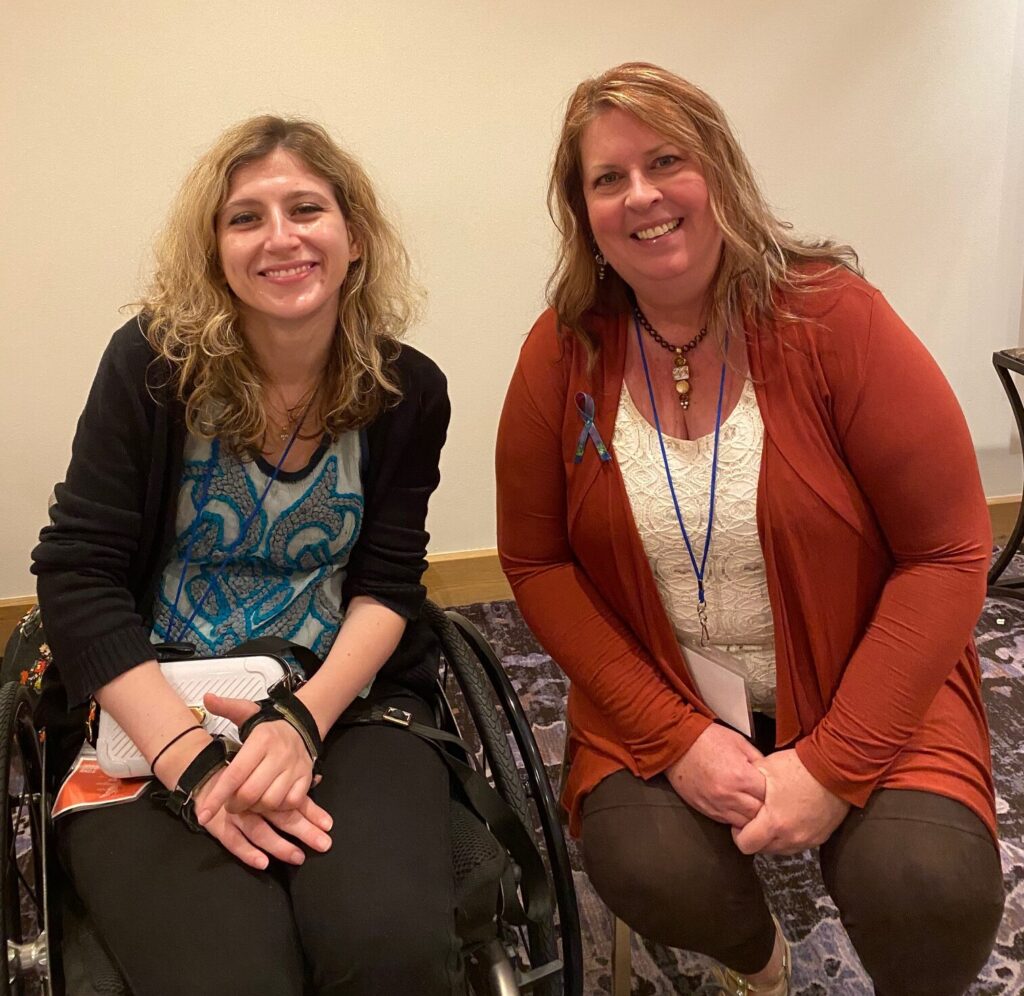
It wasn’t long before we ran into Sandy Siegel, who founded the organization many years ago with his wife Pauline What a lovely man he is. We had a wonderful conversation surrounding the early work he and Pauline did to start this amazing organization and how The MOGA type of protein involved in cell adhesion. Present throughout myelin sheaths. Project as a collaborative partner has an important role in our like missions. His passion for this work as well as his compassion for others continues to show us the best in humanity.
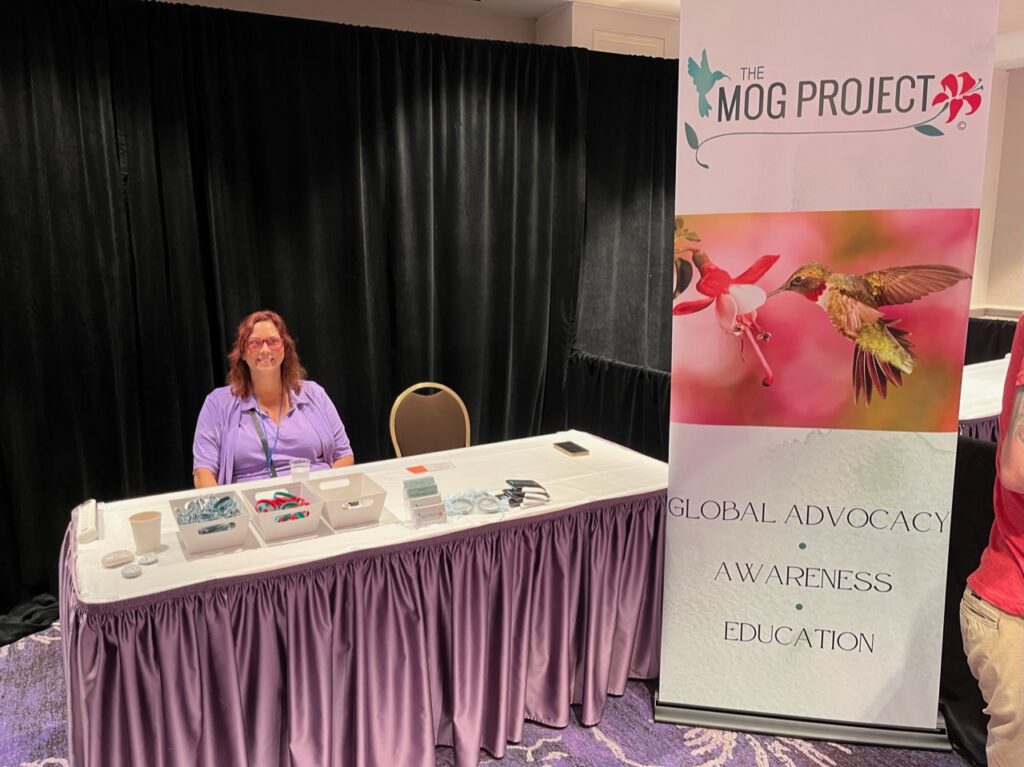
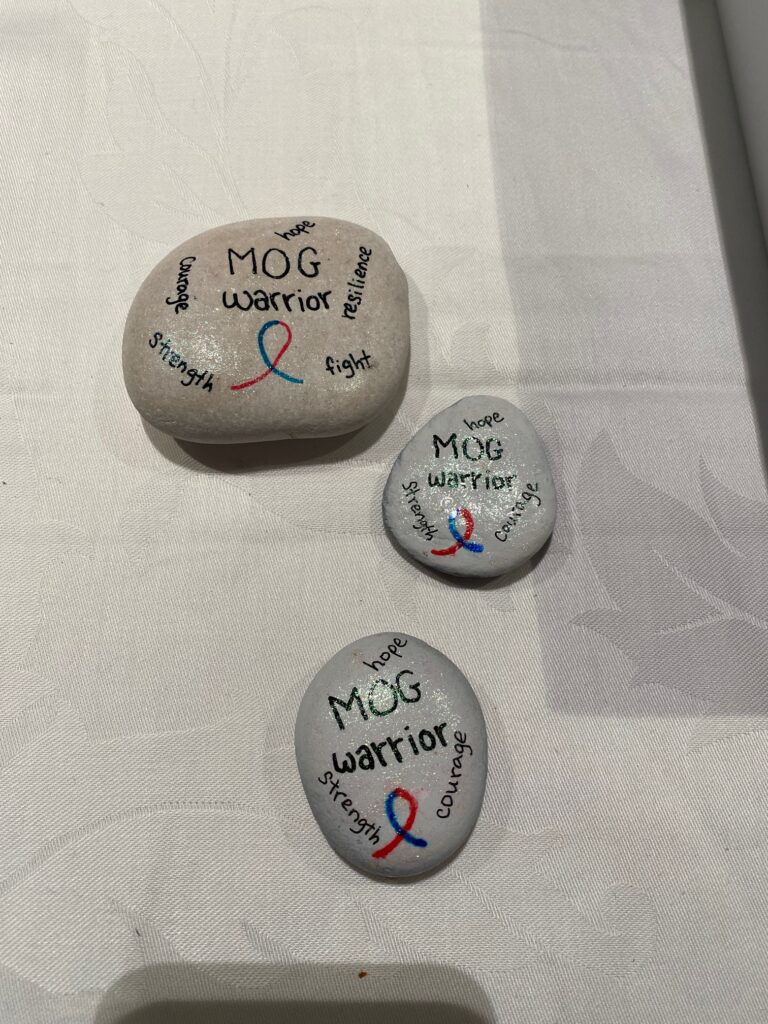
We set our booth up with the tall banner we borrowed from our friends at the Guthy-Jackson Charitable Foundation and arranged different tchotchkes for patients to grab. One of our favorites are painted inspirational MOGADOften referred to as MOGAD, Anti-MOG, MOG Ab+, MOG Antibody Disease, MOG Associated Antibody Disease, MOG positive disease rocks created by our own MOGA type of protein involved in cell adhesion. Present throughout myelin sheaths. Project Champion, Dana Yates.
The first day was just a half day, but we certainly felt satisfied when it was over. The focus of this day was a “Guess the Diagnosis” activity led by Dr. Benjamin Greenberg, a neuroimmunolist and researcher of rare neuroimmuneA term that refers to the components of the immune system that acts in and affects the central nervous system. conditions from UT Southwestern Medical Center. Five patients with different diagnoses told their stories, made us swell with tears, and challenged our knowledge of rare neuroimmuneA term that refers to the components of the immune system that acts in and affects the central nervous system. disorders. It also illustrated the commonality in symptoms and patient experience in these disorders. At the end, their final diagnoses were revealed, and we all patted ourselves onInflammation of the optic nerve that may be classified as unilateral (affecting one eye) or bilateral (affecting both eyes) that may result in vision changes, vision loss, and/or pain with eye movement. the back for our correct calls.
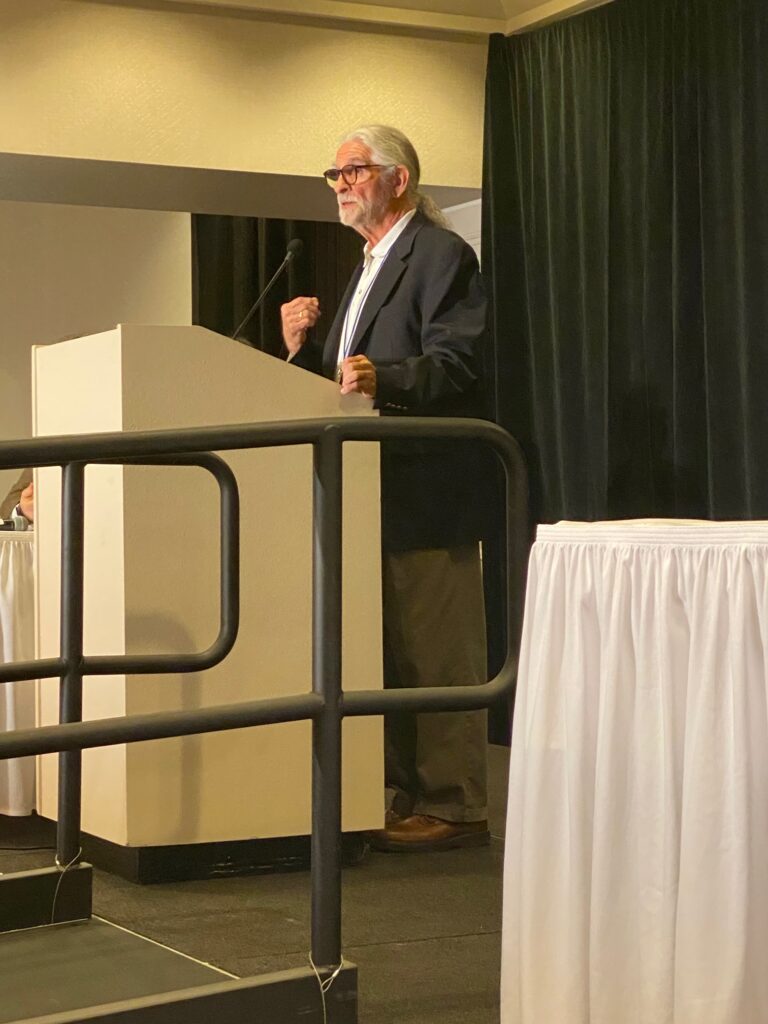
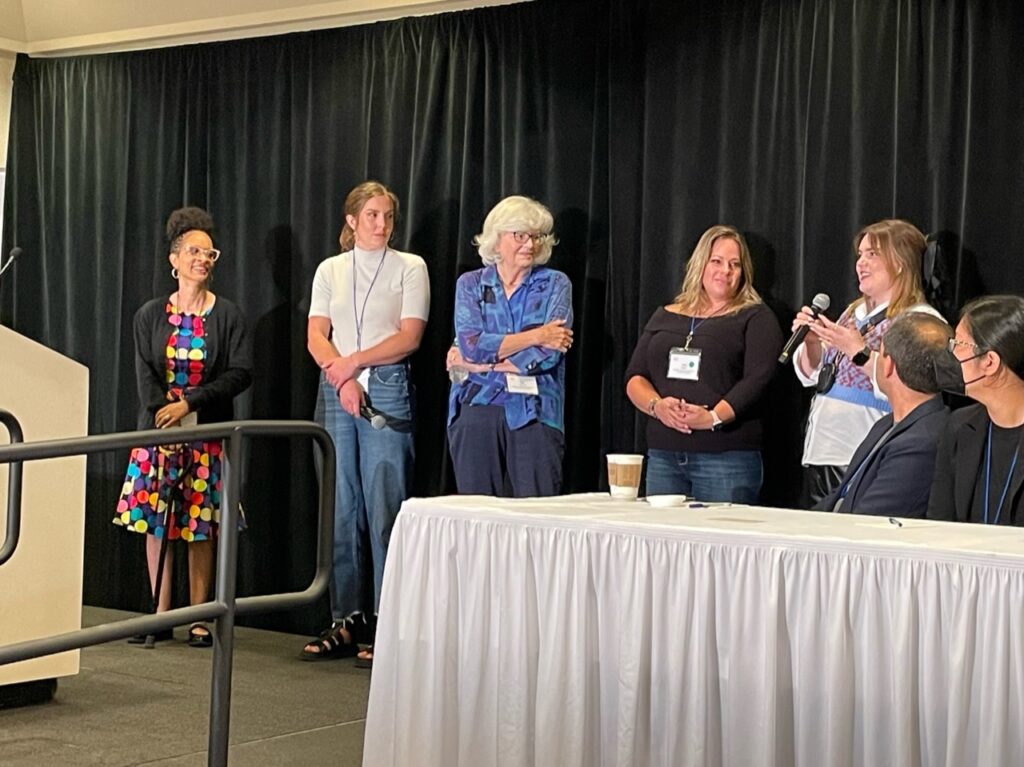
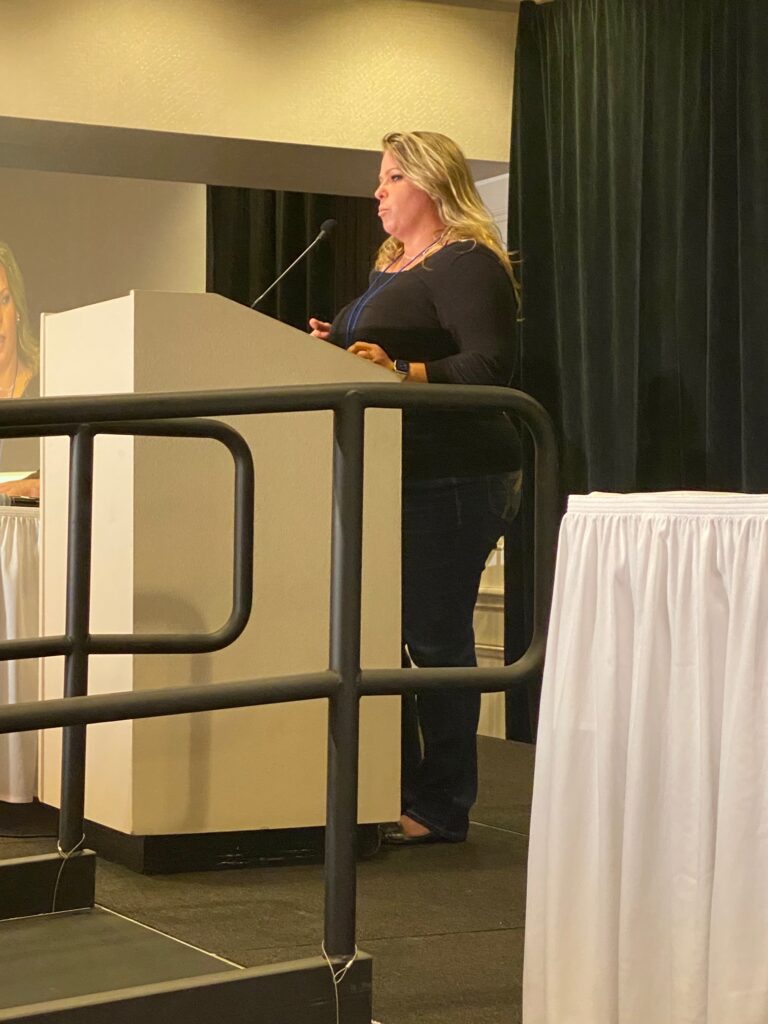
During the times designated as “Connect” times, we manned our booth as well as the virtual booth. We were pleased to connect with patients, medical professionals and industry partners. Overall, we were able to meet many and have insightful conversations that we never would have otherwise. We were happy to see some who we know from our support groups and who have written their story in our MOGA type of protein involved in cell adhesion. Present throughout myelin sheaths. Blog and hear how they have been doing. Many thanks to our Director of MOG-ADOften referred to as MOGAD, Anti-MOG, MOG Ab+, MOG Antibody Disease, MOG Associated Antibody Disease, MOG positive disease Resources and Advocacy, Peter Fontanez, as well as our collaborative partner, Scott Tarpey, from MyMyelitis.com, a UK-based blog and educational site for MOGADOften referred to as MOGAD, Anti-MOG, MOG Ab+, MOG Antibody Disease, MOG Associated Antibody Disease, MOG positive disease patients, for manning the booth and engaging throughout the weekend with MOGADOften referred to as MOGAD, Anti-MOG, MOG Ab+, MOG Antibody Disease, MOG Associated Antibody Disease, MOG positive disease patients who stopped by.
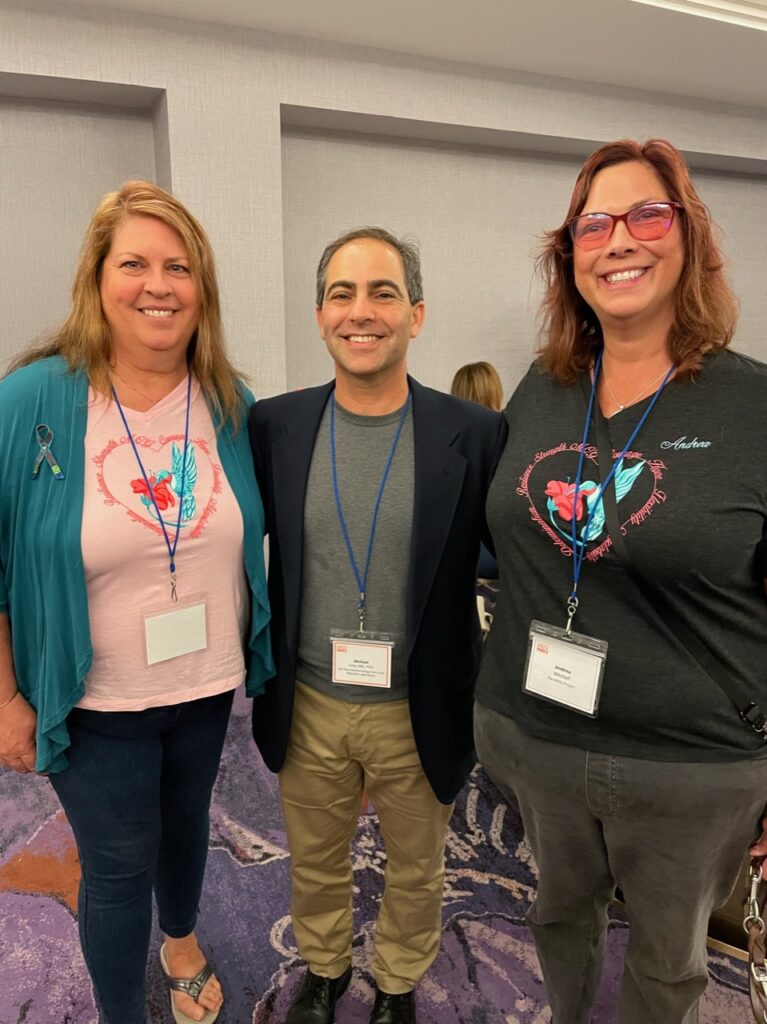
Day two rolled around quickly and the coming discussion was led by Dr Benjamin Greenberg, who as usual made us laugh as only he could do. Benji, as Mikey (Dr. Michael Levy) calls him, did a great job and we enjoyed the fun pokes those two had at each other, which we understand has been going onInflammation of the optic nerve that may be classified as unilateral (affecting one eye) or bilateral (affecting both eyes) that may result in vision changes, vision loss, and/or pain with eye movement. for years as they have been friends for a long time. We were filled with interesting talks about managing neuropathic pain, the long-term treatments in NMOSDA disorder of the central nervous system that primarily affects the nerves of the eye and the spinal cord. Also known as Neuromyelitis Optica (NMO) or Devic’s Disease and MOGAD. and notably a talk by Dr. Michael Levy, a neuroimmunologist and researcher from Massachusetts General Hospital, onInflammation of the optic nerve that may be classified as unilateral (affecting one eye) or bilateral (affecting both eyes) that may result in vision changes, vision loss, and/or pain with eye movement. clinical trials in MOGADOften referred to as MOGAD, Anti-MOG, MOG Ab+, MOG Antibody Disease, MOG Associated Antibody Disease, MOG positive disease and NMOSDA disorder of the central nervous system that primarily affects the nerves of the eye and the spinal cord. Also known as Neuromyelitis Optica (NMO) or Devic’s Disease. This talk left us with great hope for future treatments coming down the line as well as a possible curative treatment called tolerization, which aims to either kill or disable the MOGA type of protein involved in cell adhesion. Present throughout myelin sheaths. antibodyA protective protein produced by your immune system that attaches to antigens (foreign substances), such as bacteria and toxins, and removes them from your body. In myelin oligodendrocyte glycoproten antibody disease (MOGAD), the body incorrectly produces an antibody that targets myelin oligodendrocyte glycoprotein, a component of the myelin sheath in the central nervous system. or teach the body to ignore it. Neuropathic pain and spasticity management updates were also discussed. They split the next set of talks according to “Tracks” which were divided into 3 different types depending onInflammation of the optic nerve that may be classified as unilateral (affecting one eye) or bilateral (affecting both eyes) that may result in vision changes, vision loss, and/or pain with eye movement. where a patient is in their journey. Talks onInflammation of the optic nerve that may be classified as unilateral (affecting one eye) or bilateral (affecting both eyes) that may result in vision changes, vision loss, and/or pain with eye movement. early rehabilitationThe effort of restoring a person back to normal function through targeted treatment such as physical therapy. strategies, advice onInflammation of the optic nerve that may be classified as unilateral (affecting one eye) or bilateral (affecting both eyes) that may result in vision changes, vision loss, and/or pain with eye movement. building a healthcare team, transitioning from hospital to home, pediatric mental health, therapy for retaining function and transitioning from childhood to adolescence to adulthood were offered. And of course, questions were taken throughout the day from online participants as well as onInflammation of the optic nerve that may be classified as unilateral (affecting one eye) or bilateral (affecting both eyes) that may result in vision changes, vision loss, and/or pain with eye movement. site participants. The day ended with an open panel discussion with Dr. Benjamin Greenberg, Dr. Carlos Pardo, Dr. Michael Levy, Dr. Eoin Flanagan and Dr. Grace Gombolay who answered questions from the audience and prompted trending topics in rare neuroimmuneA term that refers to the components of the immune system that acts in and affects the central nervous system. disorders.
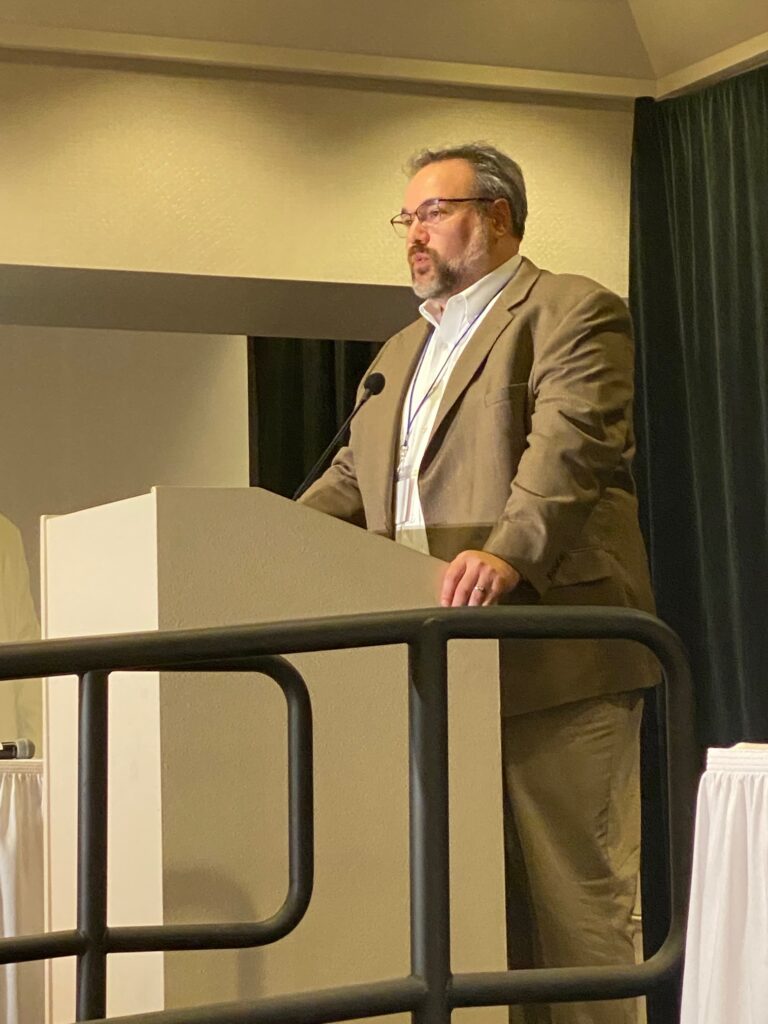
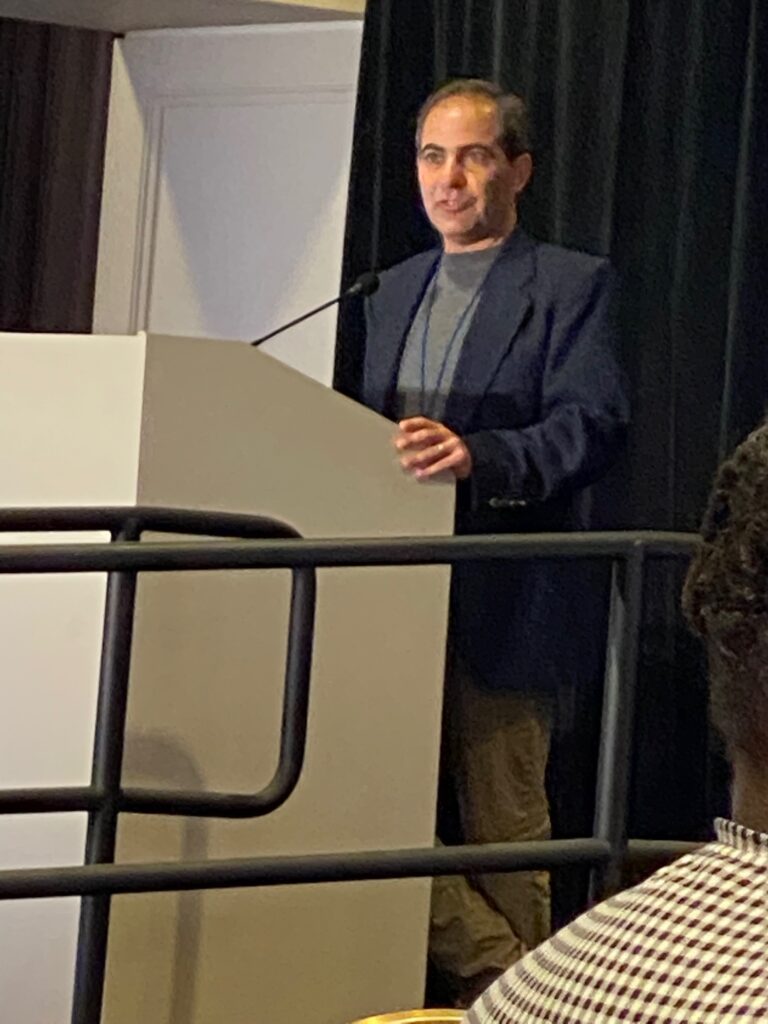
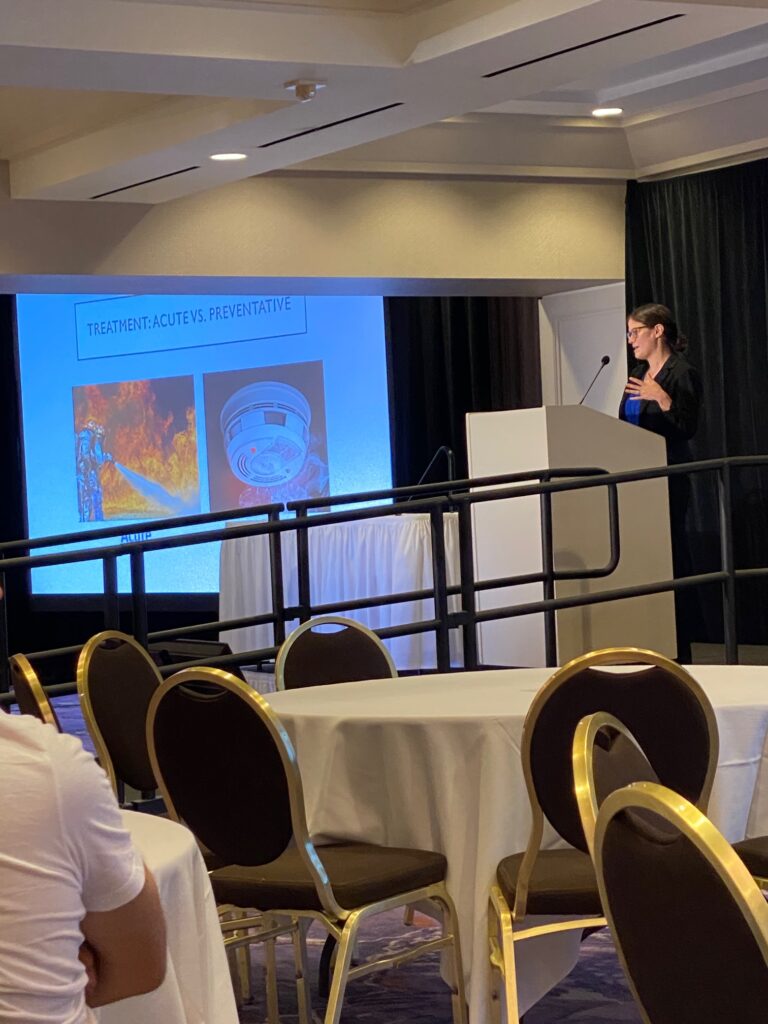
Day three was filled with a full day of information for patients trying to live with their diagnosis: cognition, depression and general quality of life, coping with grief, anxiety and loss, bladder, bowel and sexual dysfunction and adaptive tools and technology for improving quality of life. Notably, there was a research update onInflammation of the optic nerve that may be classified as unilateral (affecting one eye) or bilateral (affecting both eyes) that may result in vision changes, vision loss, and/or pain with eye movement. tele-neuropsychology and neuropsychological outcomes associated with MOGADOften referred to as MOGAD, Anti-MOG, MOG Ab+, MOG Antibody Disease, MOG Associated Antibody Disease, MOG positive disease .
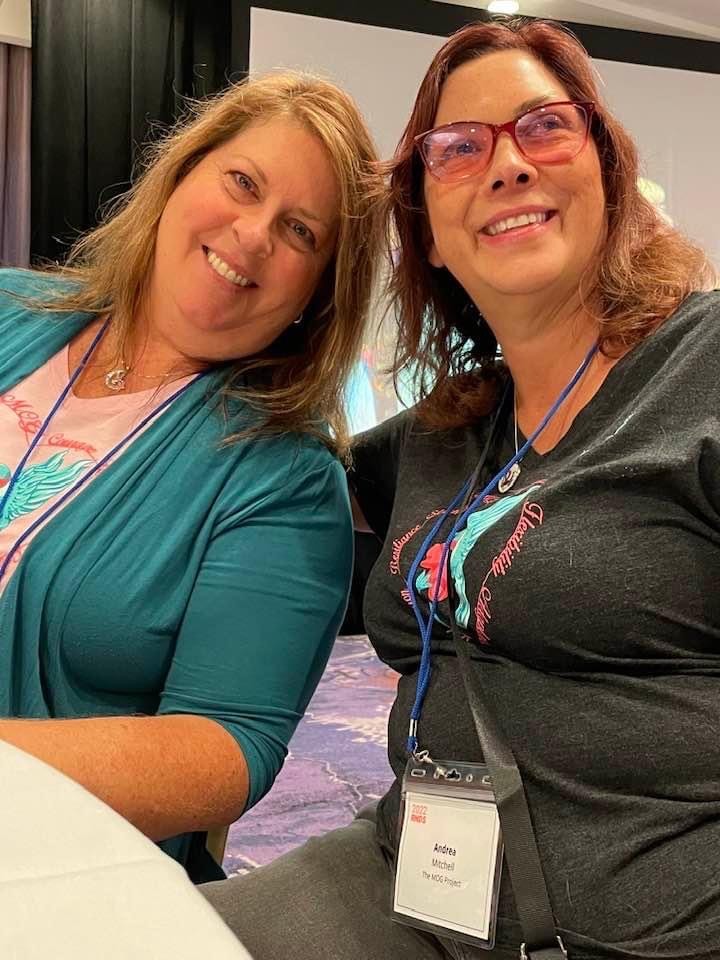
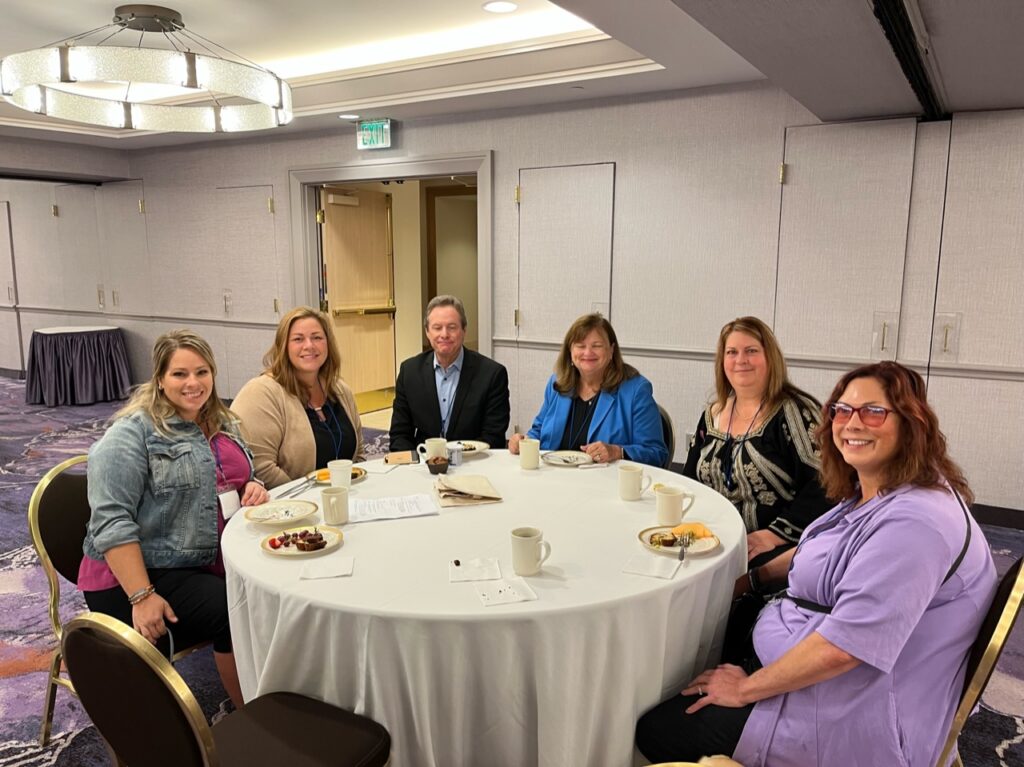
After a break for lunch and the opportunity to talk to patients of ADEMAn initial and brief autoimmune attack that causes widespread inflammation and damage to the brain, spinal cord, and optic nerve, typically in children. This initial attack establishes the basis for diagnosis. The MOG antibody is detectable in a percentage of Acute Disseminated Encephalomyelitis (ADEM) patients., NMOSDA disorder of the central nervous system that primarily affects the nerves of the eye and the spinal cord. Also known as Neuromyelitis Optica (NMO) or Devic’s Disease, TMA disorder caused by inflammation of the spinal cord. It is characterized by symptoms and signs of neurologic dysfunction in motor and sensory tracts on both sides of the spinal cord. The involvement of motor and sensory control pathways frequently produce altered sensation, weakness and sometimes urinary or bowel dysfunction. In relation to MOGAD, the inflammation is caused by the MOG Antibody. and MOGADOften referred to as MOGAD, Anti-MOG, MOG Ab+, MOG Antibody Disease, MOG Associated Antibody Disease, MOG positive disease , where we discussed our similar experiences, we jumped right into an afternoon of informative educational talks onInflammation of the optic nerve that may be classified as unilateral (affecting one eye) or bilateral (affecting both eyes) that may result in vision changes, vision loss, and/or pain with eye movement. adapting to and embracing disability where GG DeFiebre led a panel discussion of herself and 3 other individuals who have experienced changes in their lives that have left them disabled. They gave us their insight onInflammation of the optic nerve that may be classified as unilateral (affecting one eye) or bilateral (affecting both eyes) that may result in vision changes, vision loss, and/or pain with eye movement. how they have adapted and learned to live full lives despite this abrupt and impactful change from the after-effects of these diseases. Their outlooks were all positive and we understood that there still needs to be more done to build a world of accessibility where they can participate in just about everything. We then spent some time learning about insurance and what some of the terms mean as well as what choices are out there. One thing we would have loved to hear about in this talk was a breakdown of the appeals process as well as how the peer-to-peer option works for those patients who have been denied treatment options.
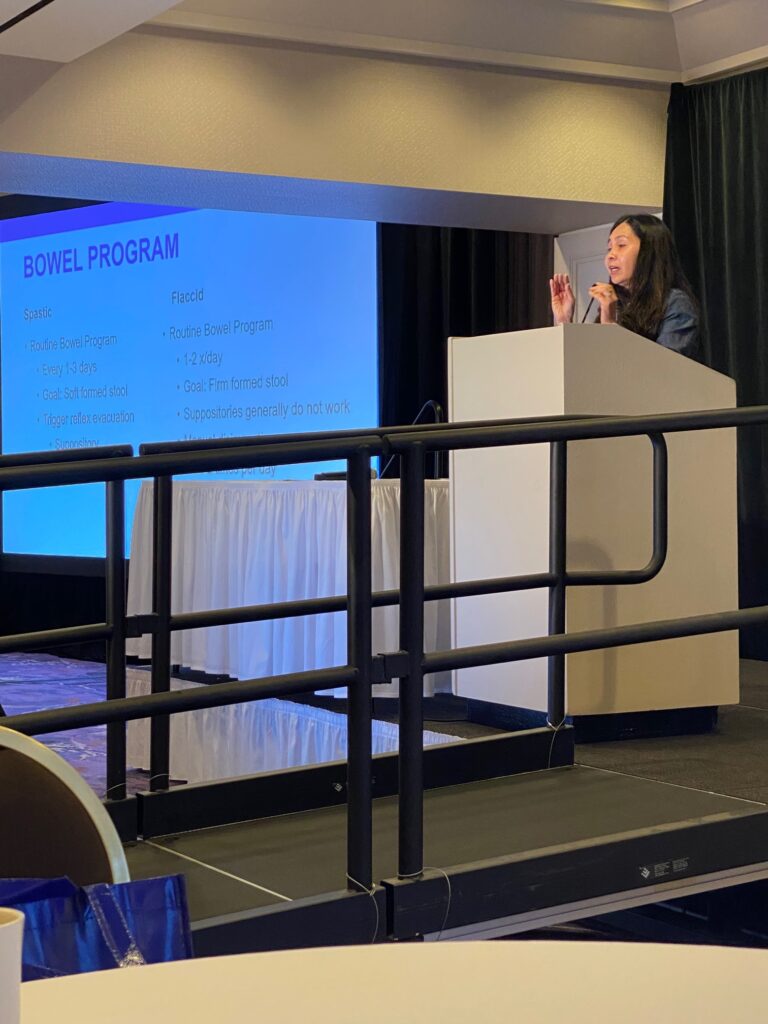
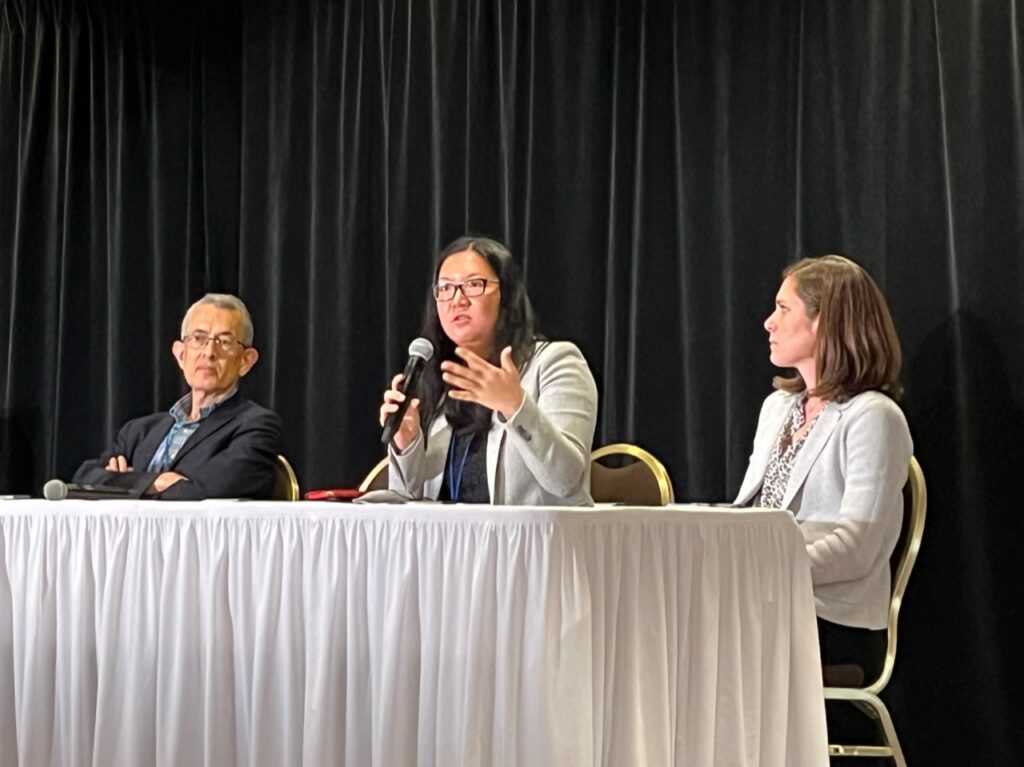
The next presentation was given by Kyle Blackburn, a neuroimmunologist from UT Southwestern Medical Center, onInflammation of the optic nerve that may be classified as unilateral (affecting one eye) or bilateral (affecting both eyes) that may result in vision changes, vision loss, and/or pain with eye movement. the “Know RND” and the CORE TMA disorder caused by inflammation of the spinal cord. It is characterized by symptoms and signs of neurologic dysfunction in motor and sensory tracts on both sides of the spinal cord. The involvement of motor and sensory control pathways frequently produce altered sensation, weakness and sometimes urinary or bowel dysfunction. In relation to MOGAD, the inflammation is caused by the MOG Antibody. Registry, which are registries being set up there for research in rare neuroimmuneA term that refers to the components of the immune system that acts in and affects the central nervous system. conditions. Following this was a really interesting presentation onInflammation of the optic nerve that may be classified as unilateral (affecting one eye) or bilateral (affecting both eyes) that may result in vision changes, vision loss, and/or pain with eye movement. the association of rare variants in genes of immune regulation with pediatric autoimmuneA disease in which the immune system incorrectly targets and attacks an individual’s own healthy cells. CNSNerve tissue that resides in and composes the brain, spinal cord, and optic nerve disease. It was fascinating to see that while much more research needs to be done, there are some of these rare variants that maybe play a role in MOGADOften referred to as MOGAD, Anti-MOG, MOG Ab+, MOG Antibody Disease, MOG Associated Antibody Disease, MOG positive disease as an associated immune dysregulation condition and as a relapsing biomarkerA substance detectable by testing (e.g., blood sample or spinal fluid) that is indicative of a disease or infection. in MOGADOften referred to as MOGAD, Anti-MOG, MOG Ab+, MOG Antibody Disease, MOG Associated Antibody Disease, MOG positive disease . After a short break, Dr. Cynthia Wang, a neuroimmunologist from UT Southwestern Medical Center, discussed new insights onInflammation of the optic nerve that may be classified as unilateral (affecting one eye) or bilateral (affecting both eyes) that may result in vision changes, vision loss, and/or pain with eye movement. ADEMAn initial and brief autoimmune attack that causes widespread inflammation and damage to the brain, spinal cord, and optic nerve, typically in children. This initial attack establishes the basis for diagnosis. The MOG antibody is detectable in a percentage of Acute Disseminated Encephalomyelitis (ADEM) patients.. These talks as well as all talks from previous days will be available via the SRNA website, so please check them out when they are available.
We finished the day with an open Q&A session and everyone scurried out after goodbye hugs. All in all, we caught up with old friends, greeted new ones with open arms and made invaluable connections for The MOG Project in order to serve our community of tenacious hummingbird warriors, well into the coming months. We thank the SRNA for their generosity in allowing us to participate in this event and look forward to our continued work together, collaborating onInflammation of the optic nerve that may be classified as unilateral (affecting one eye) or bilateral (affecting both eyes) that may result in vision changes, vision loss, and/or pain with eye movement. projects and bringing the best we can to patients who suffer from these diseases.