
During my career as an entertainment publicist nothing compared to the excitement I felt when I booked a client for the cover of a prestigious Magazine. I was in my element and at the top of my game, I was running a successful PR firm and I was happy…and healthy.
Back then I didn’t realize the importance of good health and how that contributed to my overall happiness at the time, but I certainly do now.
In November 2016 I experienced back pain that kept me in bed for days at a time, when I would get out of bed to use the bathroom, I had a hard time urinating. I was 54 years old and thought perhaps my prostate needed to be checked. I went to the hospital where they inserted a catheter and scheduled an appointment with a Urologist for the following day. I awoke the next morning, tried to get out of bed only to fall…my legs completely went out onInflammation of the optic nerve that may be classified as unilateral (affecting one eye) or bilateral (affecting both eyes) that may result in vision changes, vision loss, and/or pain with eye movement. me. I got up and fell again. I couldn’t feel my legs…this never happened to me before. My husband came home from work and called 911, I was taken to the closest medical center where they proceeded to run several tests.
Upon reviewing the tests, the doctors diagnosed me with transverse myelitisA disorder caused by inflammation of the spinal cord. It is characterized by symptoms and signs of neurologic dysfunction in motor and sensory tracts on both sides of the spinal cord. The involvement of motor and sensory control pathways frequently produce altered sensation, weakness and sometimes urinary or bowel dysfunction. In relation to MOGAD, the inflammation is caused by the MOG Antibody., something I’d never heard of before. The doctors described the long lesions found in my spine, which explained the back pains I was experiencing along with the temporary paralysisThe loss of the ability to move some or all of your body.. They mentioned the discovery of brain lesions detected in my MRIA noninvasive imaging technique that uses strong magnetic fields to produce images of nearly any structure of the body. For MOGAD, it is typically used with and without contrast to identify disease activity in the central nervous system. and recommended that I get checked for MSAn autoimmune disease that attacks healthy cells in the myelin, the protective sheath that surrounds nerves in the central nervous system (CNS) leading to neurological symptoms originating from the brain, spinal cord, and/or optic nerve. (Multiple SclerosisAn autoimmune disease that attacks healthy cells in the myelin, the protective sheath that surrounds nerves in the central nervous system (CNS) leading to neurological symptoms originating from the brain, spinal cord, and/or optic nerve.).
The doctor explained that the transverse myelitisA disorder caused by inflammation of the spinal cord. It is characterized by symptoms and signs of neurologic dysfunction in motor and sensory tracts on both sides of the spinal cord. The involvement of motor and sensory control pathways frequently produce altered sensation, weakness and sometimes urinary or bowel dysfunction. In relation to MOGAD, the inflammation is caused by the MOG Antibody. was likely an immune response to a recent cold I had, he prescribed steroid infusions for 5 days which helped ease my back pain, and within 3 days I started to feel my legs again.
Although I was feeling better again, a friend suggested I see a specialist Dr Benjamin Greenberg at UTSW who has experience dealing with transverse myelitisA disorder caused by inflammation of the spinal cord. It is characterized by symptoms and signs of neurologic dysfunction in motor and sensory tracts on both sides of the spinal cord. The involvement of motor and sensory control pathways frequently produce altered sensation, weakness and sometimes urinary or bowel dysfunction. In relation to MOGAD, the inflammation is caused by the MOG Antibody.. He told me I had a few lesions and that it could be MSAn autoimmune disease that attacks healthy cells in the myelin, the protective sheath that surrounds nerves in the central nervous system (CNS) leading to neurological symptoms originating from the brain, spinal cord, and/or optic nerve. so we would just monitor it for now. He thought I would recover over time and although I felt improvements for 5 years, I never fully recovered.
A year after my first attack, my left eye started to hurt. I recently had dental surgery, so I thought that was a result from having surgery. The eye pain got worse every day to the point where I could barely lift my head. My field of vision also began to shrink. I made an appointment to see my Primary Doctor who referred me to an OphthalmologistA board-certified medical doctor that specializes in diseases and disorders of the eye.. I am very thankful to this doctor and feel he’s the reason I’m still able to see. He told me I had Optic NeuritisInflammation of the optic nerve that may be classified as unilateral (affecting one eye) or bilateral (affecting both eyes) that may result in vision changes, vision loss, and/or pain with eye movement. but not to rule out MSAn autoimmune disease that attacks healthy cells in the myelin, the protective sheath that surrounds nerves in the central nervous system (CNS) leading to neurological symptoms originating from the brain, spinal cord, and/or optic nerve.. So, I went to see a local Neurologist who confirmed a diagnosis of MSAn autoimmune disease that attacks healthy cells in the myelin, the protective sheath that surrounds nerves in the central nervous system (CNS) leading to neurological symptoms originating from the brain, spinal cord, and/or optic nerve. and started me onInflammation of the optic nerve that may be classified as unilateral (affecting one eye) or bilateral (affecting both eyes) that may result in vision changes, vision loss, and/or pain with eye movement. treatment right away.
During one of the rounds of monthly blood tests, there was a test ordered for Myelin Oligodendrocyte Glycoprotein Antibody Disease (MOGAD), lucky for me, this test for the MOG antibody had just been developed. It wasn’t even a known disease at the time of the first attack that I experienced. I found out that MS treatments can exacerbate MOGAD so we stopped treatments immediately.


Next step was to find a MOGADOften referred to as MOGAD, Anti-MOG, MOG Ab+, MOG Antibody Disease, MOG Associated Antibody Disease, MOG positive disease expert, which led me to Dr. Sean Pittock at Mayo Clinic. Dr. Pittock noted there was a 1-year interim between my attacks, he also suggested we keep an eye onInflammation of the optic nerve that may be classified as unilateral (affecting one eye) or bilateral (affecting both eyes) that may result in vision changes, vision loss, and/or pain with eye movement. things and monitor to see if anything else happens.
At this point it’s 2018, I retired early and was put onInflammation of the optic nerve that may be classified as unilateral (affecting one eye) or bilateral (affecting both eyes) that may result in vision changes, vision loss, and/or pain with eye movement. disability. I made the decision to become a patient advocate for MOGADOften referred to as MOGAD, Anti-MOG, MOG Ab+, MOG Antibody Disease, MOG Associated Antibody Disease, MOG positive disease and to help others who are trying to figure out this mystery disease. With the support of friends and family, I raised money for Dr. Pittock’s MOGADOften referred to as MOGAD, Anti-MOG, MOG Ab+, MOG Antibody Disease, MOG Associated Antibody Disease, MOG positive disease Research Foundation through Mayo Clinic. I also joined the Board of a non-profit dedicated to the MOG Anti-Body Disease called The MOG Project, happily took onInflammation of the optic nerve that may be classified as unilateral (affecting one eye) or bilateral (affecting both eyes) that may result in vision changes, vision loss, and/or pain with eye movement. the most important role I’ve ever held as CMO (Chief Media Officer) where I could use my previous skills in PR to help raise awareness.
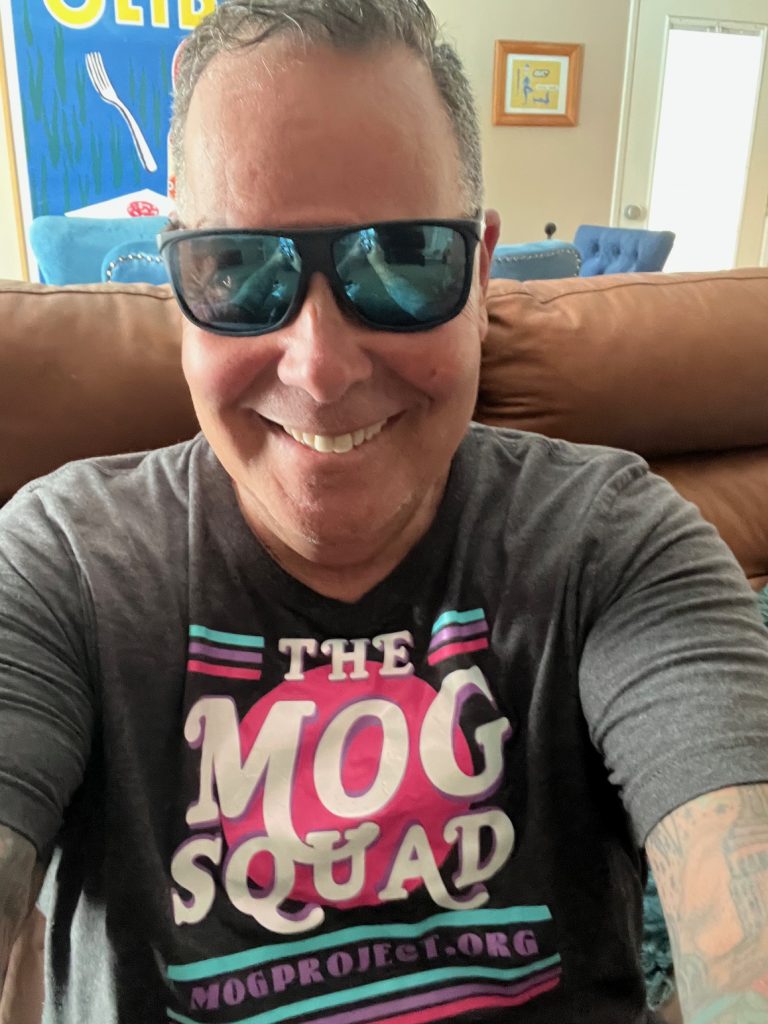
Little did I know how much my role at The MOG Project would change my life forever! Not only have I met the most amazing group of selfless and brave patients, selfless caregivers and the most amazing Drs all over the globe thru The Mog Project but I now have a global connection and presence in the MOGADOften referred to as MOGAD, Anti-MOG, MOG Ab+, MOG Antibody Disease, MOG Associated Antibody Disease, MOG positive disease community assisting fellow patients worldwide adjusting to their diagnosis, assisting Pharmaceutical companies with their outreach and working with other MOGADOften referred to as MOGAD, Anti-MOG, MOG Ab+, MOG Antibody Disease, MOG Associated Antibody Disease, MOG positive disease non profits in connection with The Mog Project.
During the next few years, I seemed to be ok for the most part until February 2021 where I had another episode of optic neuritisInflammation of the optic nerve that may be classified as unilateral (affecting one eye) or bilateral (affecting both eyes) that may result in vision changes, vision loss, and/or pain with eye movement. (inflammationA process of the immune system that involves chemicals released by immune cells (i.e. white blood cells) inducing localized heat, swelling, redness, and pain to an area that occurs when tissue becomes damaged or infected from a pathogen, and usually results in the desctruction and removal of the pathogen and/or healing to the tissue. In the case of myelin oligodendrocyte glycoprotein antibody disease (MOGAD), inflammation is the result of the incorrect targeting of the myelin oligodendrocyte glycoprotein (MOG) by the immune system, resulting in damage to myelin sheaths. of the optic nerveThe cranial nerves that relay messages from your eyes to your brain to create visual images. These nerves extend from the retina in the back of the eyes to the part of the brain that processes what we see. In myelin oligodendrocyte glycoproten antibody disease (MOGAD), they may be the target of inflammation or lesions, sometimes causing visual disruption or blindness.). I was given an extremely high dose of prednisoneA type of medication typically given intraveneously or orally. For myelin oligodendrocyte glycoprotein antibody disease (MOGAD) it is used as an immunosuppressant and anti-inflammatory to reduce disease activity and inflammation. In adults, it is sometimes used in high doses for acute attacks. In some adult patients, it may be used for 1-2 months after an acute attack to avoid a rapid onset of relapse. Higher doses (>10mg/day) are not recommended for an extended period of time but lower doses (<=10mg/day) may be used in some patients longer term. In children, it may be used after treatment of an acute attack, but it is not recommended long-term due to the profound effects of chronic steroids on a child’s health. Use of oral prednisone as a maintenance therapy in relapsing pediatric MOGAD patients is discouraged due to side effects in developing children, and other therapies such as monthly immune globulin are suggested. (To understand relapsing during steroid tapering, see Steroid Dependency) for 3 days followed by an 11-day taper which helped restore my vision.
Since that occurrence, it seems anytime I was tapered off steroids, I suffered another attack and temporarily lost my vision until it’s brought back by another high dose of steroidsA type of medication typically given intraveneously or orally. For myelin oligodendrocyte glycoprotein antibody disease (MOGAD) it is used as an immunosuppressant and anti-inflammatory to reduce disease activity and inflammation. In adults, it is sometimes used in high doses for acute attacks. In some adult patients, it may be used for 1-2 months after an acute attack to avoid a rapid onset of relapse. Higher doses (>10mg/day) are not recommended for an extended period of time but lower doses (<=10mg/day) may be used in some patients longer term. In children, it may be used after treatment of an acute attack, but it is not recommended long-term due to the profound effects of chronic steroids on a child’s health. Use of oral prednisone as a maintenance therapy in relapsing pediatric MOGAD patients is discouraged due to side effects in developing children, and other therapies such as monthly immune globulin are suggested. (To understand relapsing during steroid tapering, see Steroid Dependency). That’s why I was on high dose steroidsA type of medication typically given intraveneously or orally. For myelin oligodendrocyte glycoprotein antibody disease (MOGAD) it is used as an immunosuppressant and anti-inflammatory to reduce disease activity and inflammation. In adults, it is sometimes used in high doses for acute attacks. In some adult patients, it may be used for 1-2 months after an acute attack to avoid a rapid onset of relapse. Higher doses (>10mg/day) are not recommended for an extended period of time but lower doses (<=10mg/day) may be used in some patients longer term. In children, it may be used after treatment of an acute attack, but it is not recommended long-term due to the profound effects of chronic steroids on a child’s health. Use of oral prednisone as a maintenance therapy in relapsing pediatric MOGAD patients is discouraged due to side effects in developing children, and other therapies such as monthly immune globulin are suggested. (To understand relapsing during steroid tapering, see Steroid Dependency) for 18 months. Although the side effects from steroidsA type of medication typically given intraveneously or orally. For myelin oligodendrocyte glycoprotein antibody disease (MOGAD) it is used as an immunosuppressant and anti-inflammatory to reduce disease activity and inflammation. In adults, it is sometimes used in high doses for acute attacks. In some adult patients, it may be used for 1-2 months after an acute attack to avoid a rapid onset of relapse. Higher doses (>10mg/day) are not recommended for an extended period of time but lower doses (<=10mg/day) may be used in some patients longer term. In children, it may be used after treatment of an acute attack, but it is not recommended long-term due to the profound effects of chronic steroids on a child’s health. Use of oral prednisone as a maintenance therapy in relapsing pediatric MOGAD patients is discouraged due to side effects in developing children, and other therapies such as monthly immune globulin are suggested. (To understand relapsing during steroid tapering, see Steroid Dependency) can be tough, this medication is “gold” because it helps restore my vision! Yes, “roid-rage” happens…you experience a wide-range of emotions from happiness to sadness…you might gain a few extra pounds…but I dealt with it the best I could with a lot of help from friends and family.
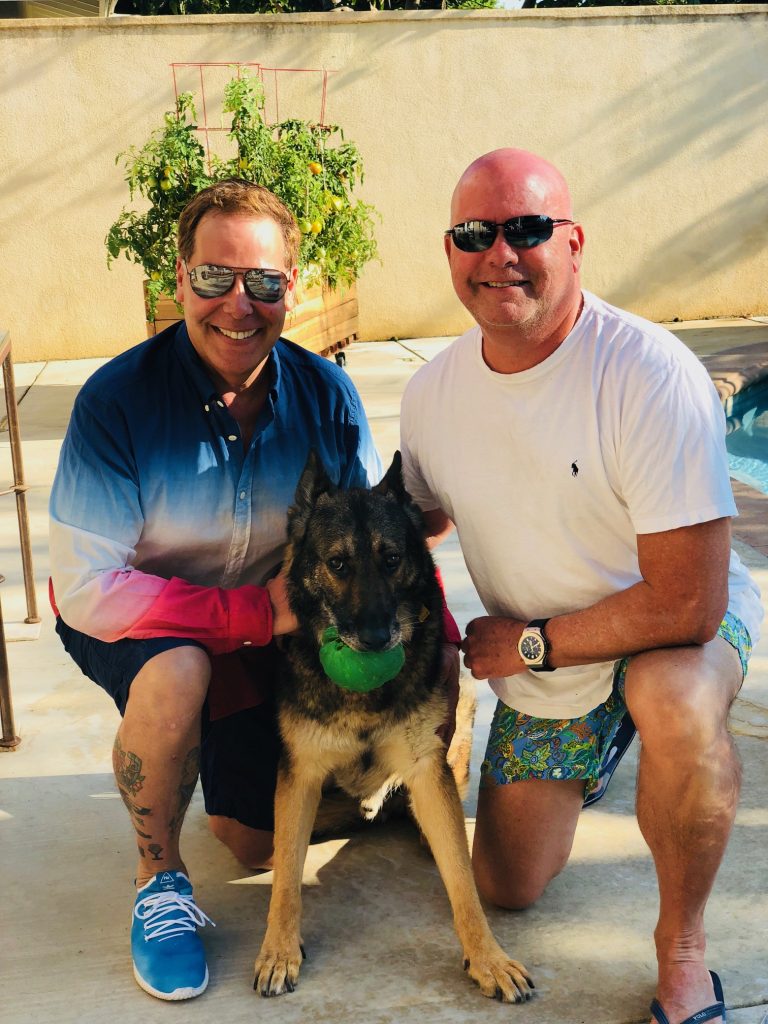
I have also been blessed with the most amazing caregiver! My husband and best friend Kevin! I CANNOT express my gratitude and love for him and his incredible patience and kindness towards me always! The shit he has had to deal with especially while I was on high dose steroidsA type of medication typically given intraveneously or orally. For myelin oligodendrocyte glycoprotein antibody disease (MOGAD) it is used as an immunosuppressant and anti-inflammatory to reduce disease activity and inflammation. In adults, it is sometimes used in high doses for acute attacks. In some adult patients, it may be used for 1-2 months after an acute attack to avoid a rapid onset of relapse. Higher doses (>10mg/day) are not recommended for an extended period of time but lower doses (<=10mg/day) may be used in some patients longer term. In children, it may be used after treatment of an acute attack, but it is not recommended long-term due to the profound effects of chronic steroids on a child’s health. Use of oral prednisone as a maintenance therapy in relapsing pediatric MOGAD patients is discouraged due to side effects in developing children, and other therapies such as monthly immune globulin are suggested. (To understand relapsing during steroid tapering, see Steroid Dependency) is beyond anyone’s imagination!


In July 2022, I was one of the first patients to enter the first-ever clinical trialResearch studies performed using people as subjects that are aimed at evaluating a medical, surgical, or behavioral intervention to determine to what degree a new treatment (e.g., drugs or medical devices) is safe and effective for general populations. for MOGADOften referred to as MOGAD, Anti-MOG, MOG Ab+, MOG Antibody Disease, MOG Associated Antibody Disease, MOG positive disease called The CosMog clinical trialResearch studies performed using people as subjects that are aimed at evaluating a medical, surgical, or behavioral intervention to determine to what degree a new treatment (e.g., drugs or medical devices) is safe and effective for general populations. which is sponsored by UCB Bio Pharmaceutical and is a weekly injection of a drug called Rozanolixizumab!
Thanks to Dr. Michael Levy from Harvard University and Mass General Hospital, I believe his studies and research will change the world and give hope to others suffering from MOGAD.


Now 19 months later I’m so thrilled to be stable with no relapses or side effects from my clinical trialResearch studies performed using people as subjects that are aimed at evaluating a medical, surgical, or behavioral intervention to determine to what degree a new treatment (e.g., drugs or medical devices) is safe and effective for general populations. drug “Rozanolixizumab”and SO relieved to be free from the FEAR of relapsing!
This year for MOGA type of protein involved in cell adhesion. Present throughout myelin sheaths. Awareness Month I am even more committed than ever to raise money for the brilliant doctor who started me on the CosMog clinical trial.
Dr. Levy is looking for answers while discovering the mysteries of MOGAD. I am confident that he will be instrumental in developing more effective and safer therapies.
I truly believe that all my prior work and life experience led me on this path to work alongside with the doctors, scientists, researchers, and patients worldwide and to help anyone affected by MOGADOften referred to as MOGAD, Anti-MOG, MOG Ab+, MOG Antibody Disease, MOG Associated Antibody Disease, MOG positive disease , the patients, families, friends, and caregivers. It’s an eye-opening experience that I wouldn’t trade for anything!
Please help me help others by giving the gift of a donation to a cause that means so much to me.
You can donate online through the link below:
Or you can send a check to the following address below:
Massachusetts General Hospital with “MOG Initiative” in the memo line.
MGH Development Office
Attn:Kylie Baruffi
125 Nashua St, Suite 540
Boston, MA 02114

By Jim Broutman, Chief Media Officer, The MOG Project