The MOG Project’s Research for Rare program has awarded our 2025 MOGAD global research grants: the Apollo Grant and the Accelerator Grant. These grants are intended to support the advancement of medical knowledge and understanding of this rare disease leading to better diagnosis, targeted treatments, and eventually a cure.
While the issuing of the RFA was in late 2024, the deadline for applications was in 2025 and therefore awards were announced in 2025.
The Apollo Grant provides funding to develop hypotheses and gather seed/pilot data to support and strengthen the submission of a future same subject proposal allowing investigators to better secure greater funding from larger organizations. Congratulations to our Apollo Grant recipients:
Maria Hastermann, MD, PhD, Nadine Strempel, PhD, Professor Enrico Klotzsch, PhD and Professor Friedemann Paul of Charité Universitätsmedizin Berlin. The title of their project is, “Mechanostimulation of MOG-Specific Regulatory T-cells”.
They aim to develop a method to track T cell activation patterns as a way to monitor disease activity. This could eventually help doctors make more informed decisions about when it might be safe to stop or adjust treatments like immunosuppressive drugs. Another goal is to explore physical methods to expand and activate human T-regulatory cells, which dampen an immune response, and apply these techniques to develop a therapy that blunts the autoimmune response against MOG, stopping MOGAD patients from developing severe disease.




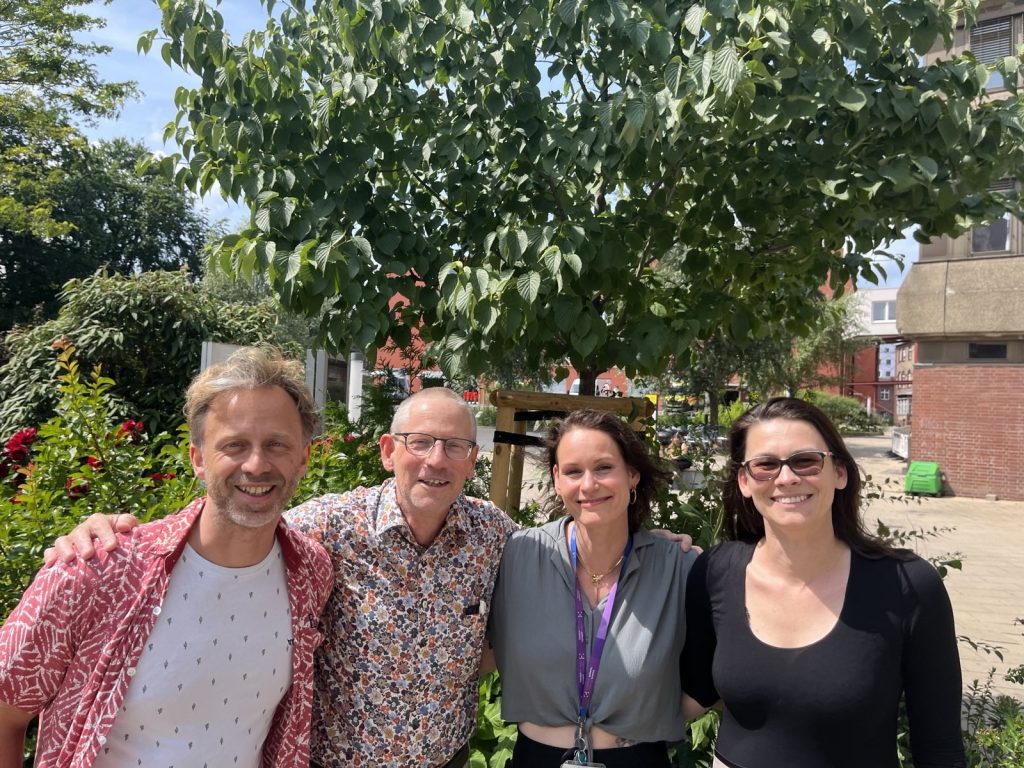
Kevin C. O’Connor, PhD and Erin Longbrake, MD, PhD, of Yale University School of Medicine. The title of their project is, “Leveraging MOG-Specific Human Monoclonal Autoantibodies to Describe Mechanisms of Immunopathology”.
They will study the diverse population of human autoantibodies against MOG that cause the various symptoms of MOGAD and characterize the mechanisms of how each type of autoantibody causes disease damage. By understanding the underlying mechanisms of MOGAD, more targeted and effective treatments for patients suffering from this condition may be developed.


The Accelerator Grant provides for architecture, infrastructure, and technology funding to be used in support of any future MOGAD research projects. Congratulations to our Accelerator Grant recipient:
Michael Levy, MD, PhD, Phileppe A. Bilodeau, MD, and Anastasia Vishnevetsky, MD, PhD of Massachusetts General and Brigham and Woman’s Hospitals. The title of their work is, “Advancing Infrastructure for Biomarker Discovery and Patient-Reported Outcomes in MOGAD”.
The project will first expand a database of patients with MOGAD to include symptoms, imaging results, treatments and recovery. They will also study blood and spinal fluid samples from patients to find biological markers that provide clues about how the disease works. By understanding these markers, researchers can predict disease severity and improve treatment plans tailored to individual patients. Lastly, the project will create and test new tools to measure how MOGAD affects patients’ daily lives, including physical symptoms like pain and fatigue and emotional and cognitive challenges.
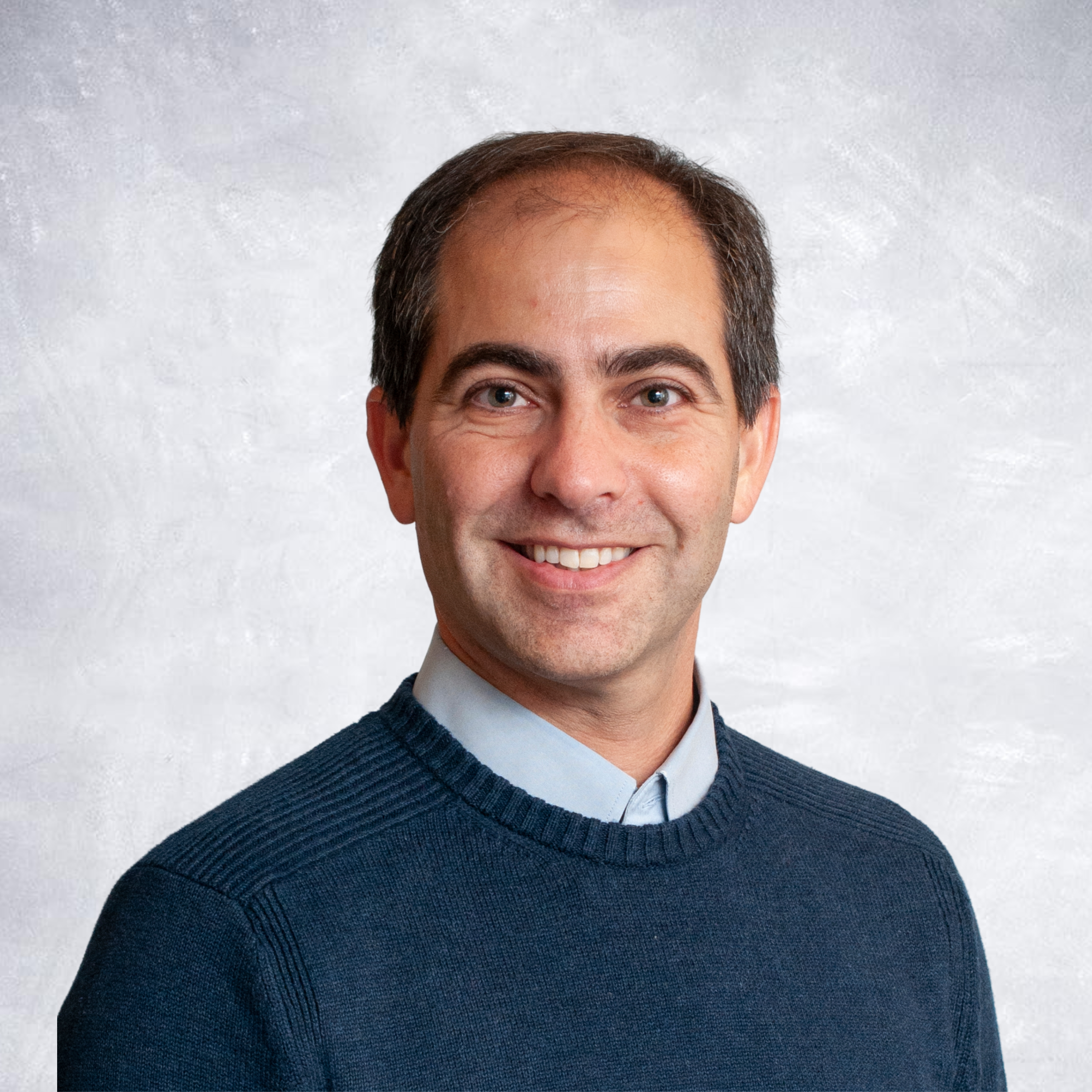

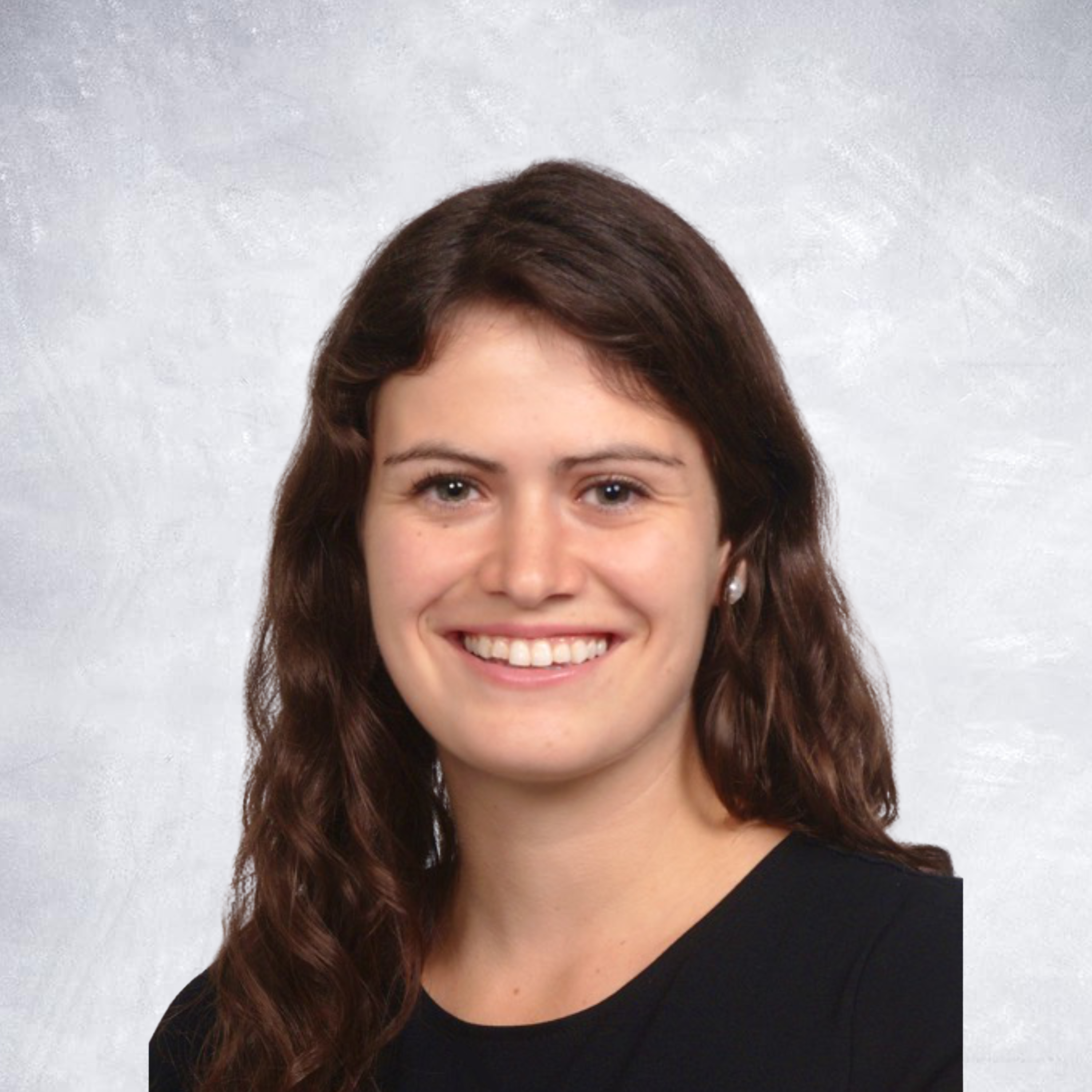
Special thanks to our SRO and Scientific Advisory Council Member, Dr. Lisa K. Ryan, PhD, and The MOG Project President, Amy Ednie, for leading this award cycle.
The MOG Project is a 501(c)3 nonprofit organization dedicated to funding researchers as part of our mission for the advancement of understanding, predicting, treating, and eventually curing Myelin Oligodendrocyte Glycoprotein Antibody Disease, or MOGAD, a neuroinflammatory condition that attacks the optic nerve, brain, and/or spinal column. For more information visit https://mogproject.org.