Leading international clinicians, researchers, advocates, and industry collaborators gathered in Cambridge, Massachusetts, for two major back-to-back MOGAD meetings focused on research priorities, clinical trials, therapeutic development, patient outcomes, and global collaboration.
The MOG Project Hosts the International Expert Panel on Research Directions in MOGAD
On Thursday, May 14, 2026, The MOG Project hosted the International Expert Panel on Research Directions in MOGAD in Cambridge, Massachusetts — an important milestone in advancing collaboration, identifying critical gaps, and defining future priorities in MOGAD research and care.
The meeting brought together leading international clinicians, researchers, The MOG Project’s patient advocacy leadership, and industry collaborators to evaluate the current state of MOGAD research and care, while working toward greater field-wide alignment around the most urgent, unmet needs in MOGAD.
These conversations are expected to help inform future advocacy efforts, research collaboration, therapeutic development, regulatory-decision making, and future educational resources for both patient and medical professionals.
Outcomes from the meeting will contribute to a collaborative publication intended for submission to a major neurology journal — while serving as an important document of record for The MOG Project’s global advocacy and policy work. The discussions and identified gaps will help inform priorities for The MOG Project’s Research for Rare grant programs, which provides seed funding to researchers pursuing larger institutional grants.
The panel was co-chaired by Julia Lefelar, co-founder and Executive Director of The MOG Project, and Dr. Michael Levy, Associate Professor of Neurology at Harvard Medical School, Research Director of the Division of Neuroimmunology & Neuroinfectious Disease at Massachusetts General Hospital, and member of The MOG Project’s Medical Advisory Council. Additional participation from The MOG Project included Lisa Ryan, PhD, of The MOG Project’s Medical Advisory Council and Leslie Hanrahan, Director of Programs for The MOG Project.

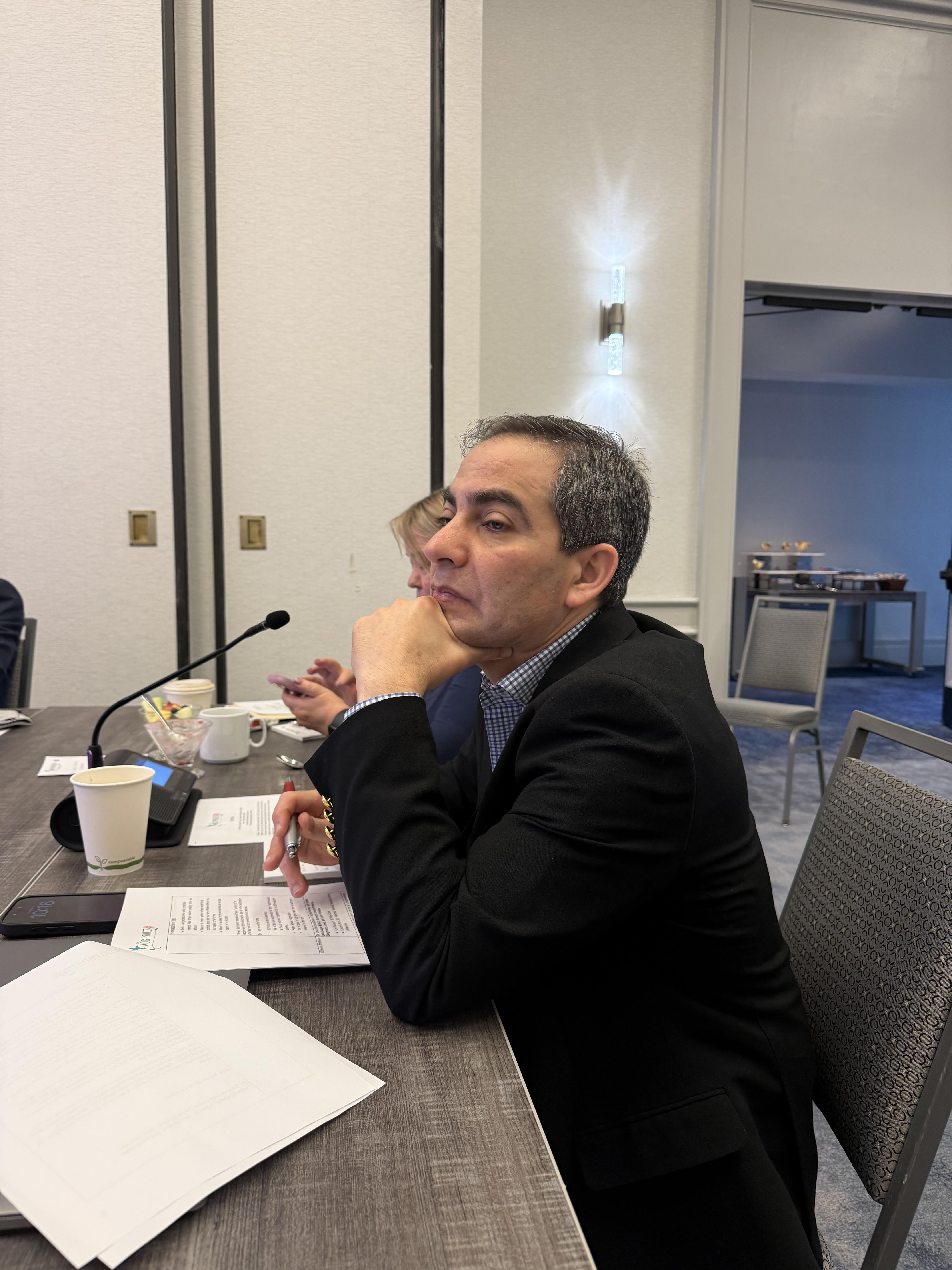
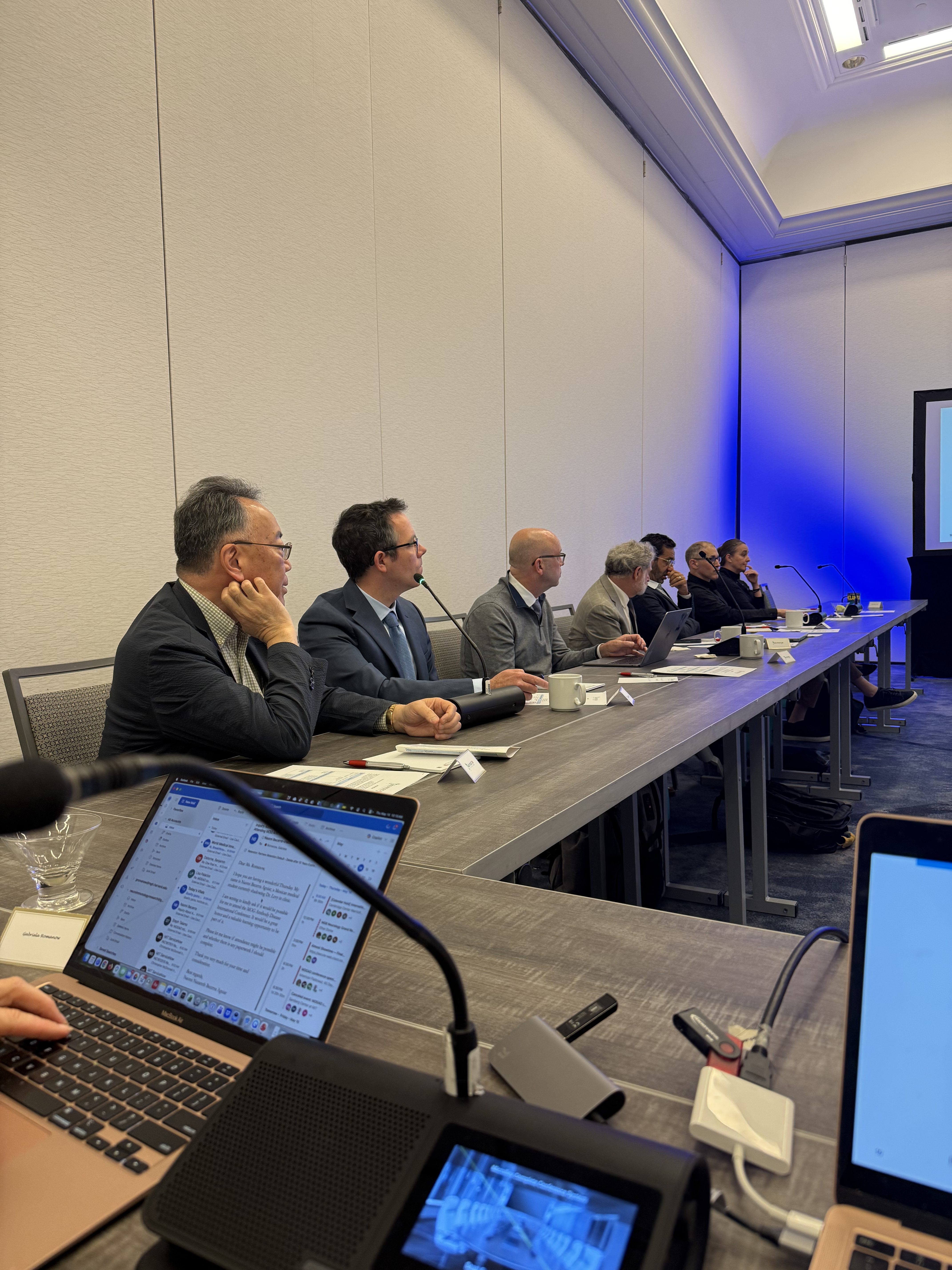


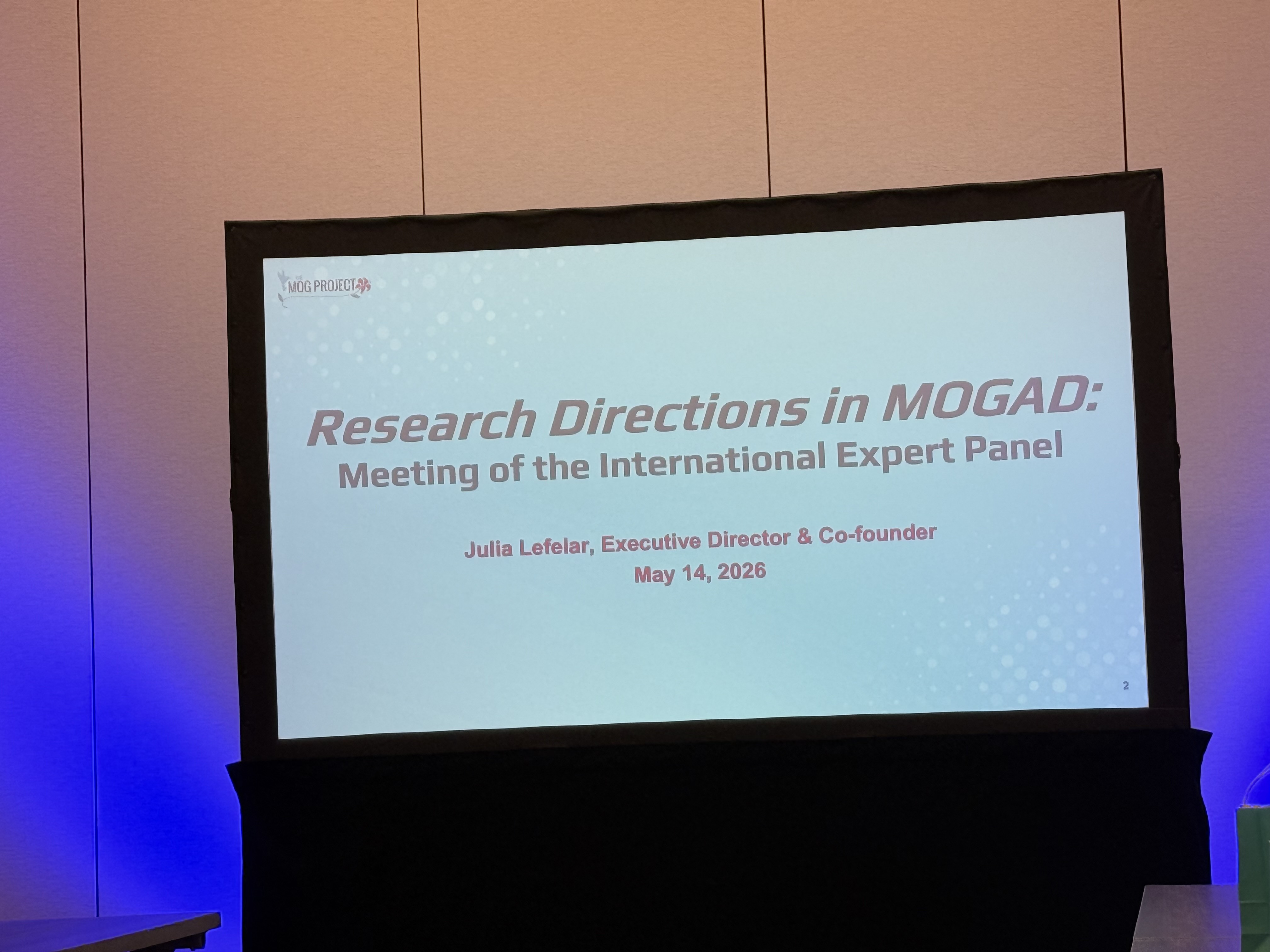

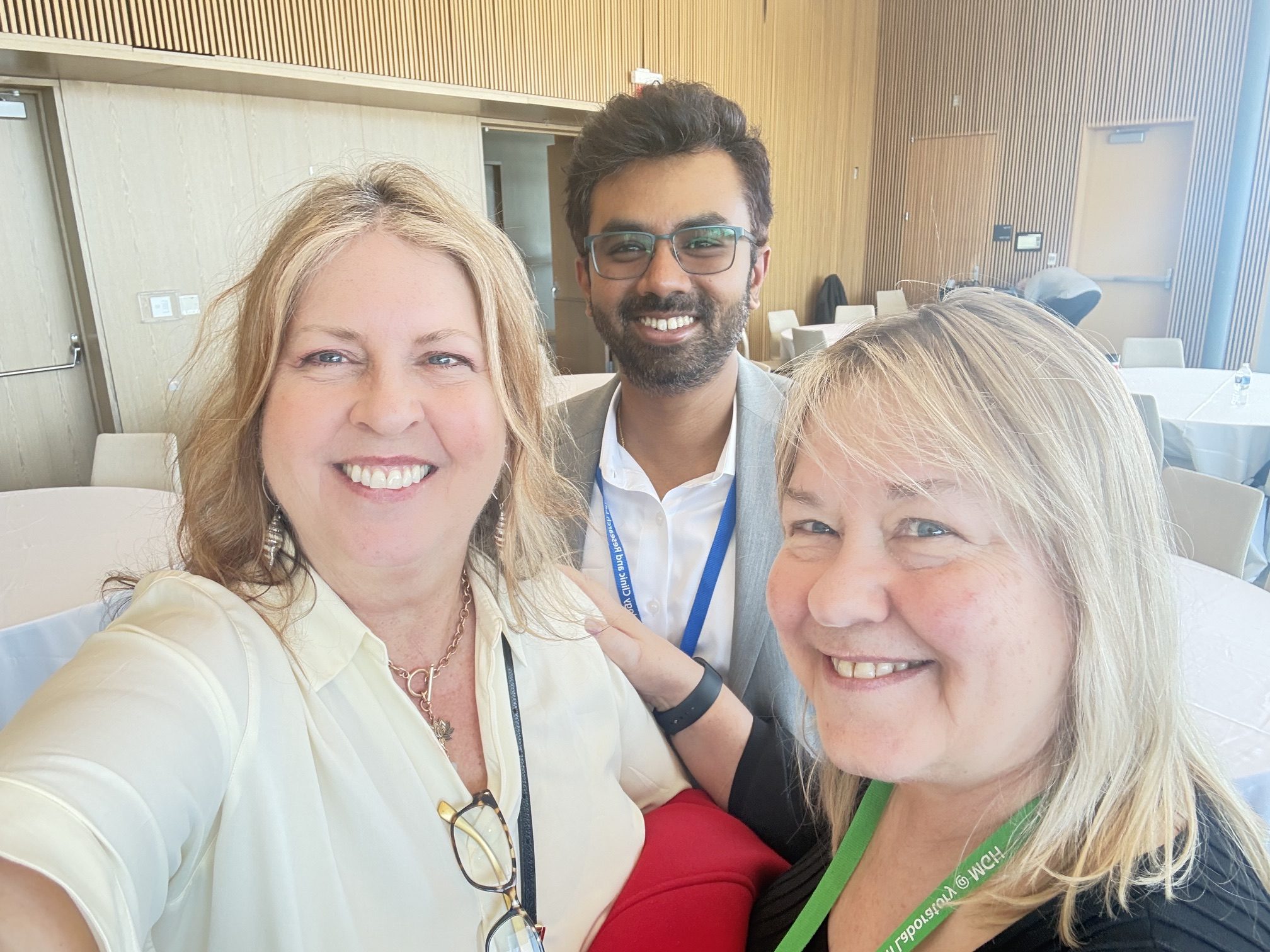
Throughout the day, internationally recognized experts led discussions on some of the most pressing issues in MOGAD research and care, including:
- Worldwide disease patterns and diagnostic access
- Mechanistic and biomarker research priorities
- Future therapeutic development and approved treatments
- Cognitive, behavioral, and quality of life impacts
- Long-term outcomes and patient experience in MOGAD
While much of the discussion focused on research and clinical advancement, the shared goal throughout the meeting remained to improve outcomes and quality of life for people living with MOGAD worldwide.
Attendees represented leading institutions and organizations from across the United States and around the world, including experts from Massachusetts General Hospital, Harvard University, Mayo Clinic, University of California, San Francisco, Yale University, UT Southwestern Medical Center, Emory University, and institutions in Germany, Japan, Chile, and Israel.
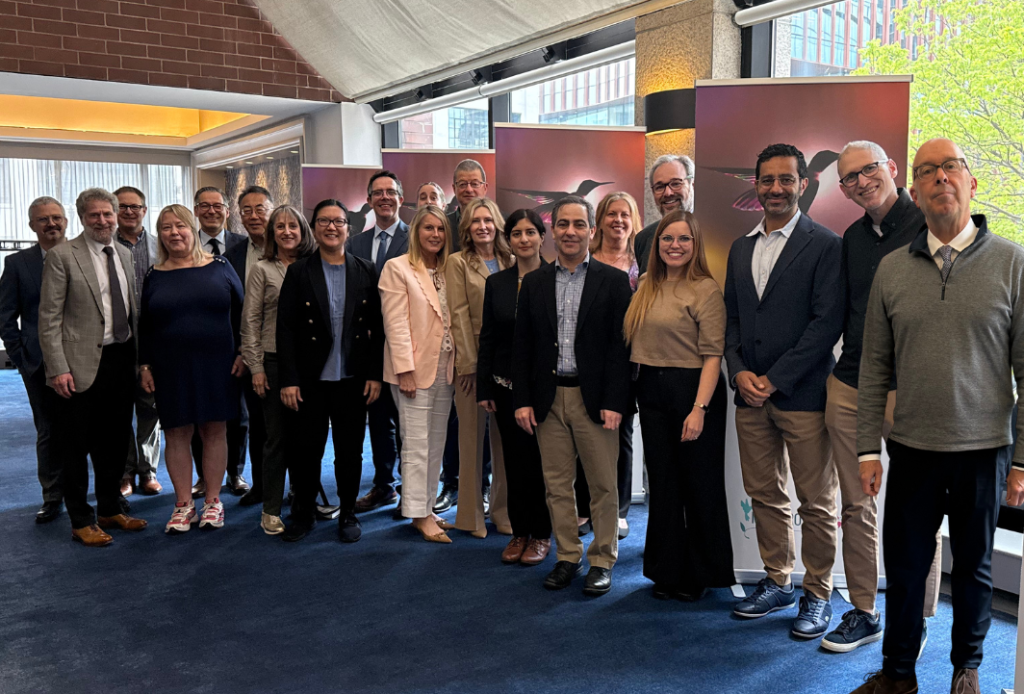
The International Expert Panel on Research Directions in MOGAD was supported by UCB and Genentech, a member of the Roche Group.
Supporting the MOG Antibody Disease International Conference
Immediately following our expert panel, many attendees also participated in the MOG Antibody Disease International Conference from May 14–16 in Cambridge, organized by Dr. Michael Levy and in part sponsored by The MOG Project.
The conference featured presentations and collaborative discussions focused on emerging clinical trial data, biomarkers, treatment strategies, imaging, immunology, relapse prediction, and the future of therapeutic development in MOGAD.

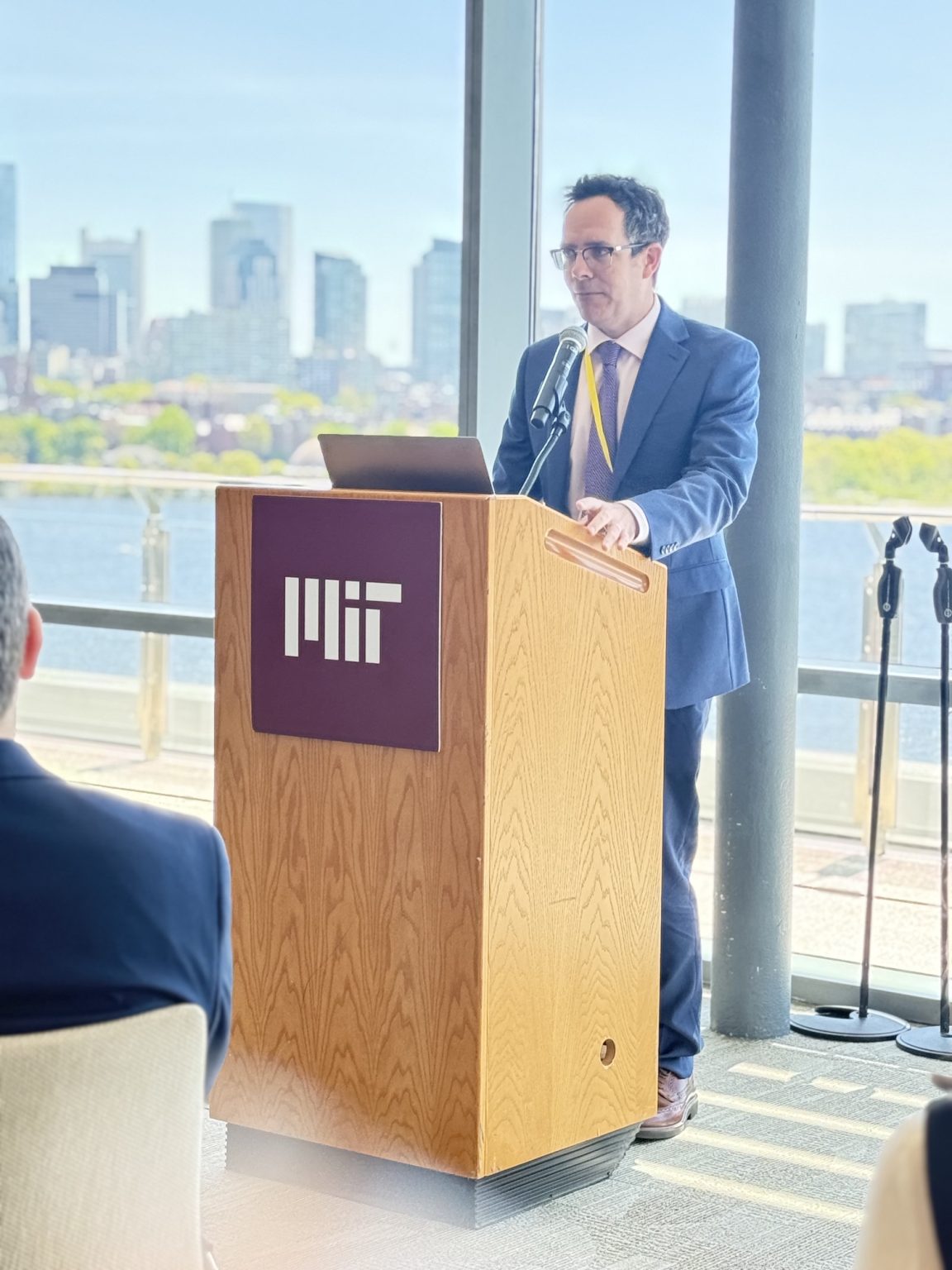

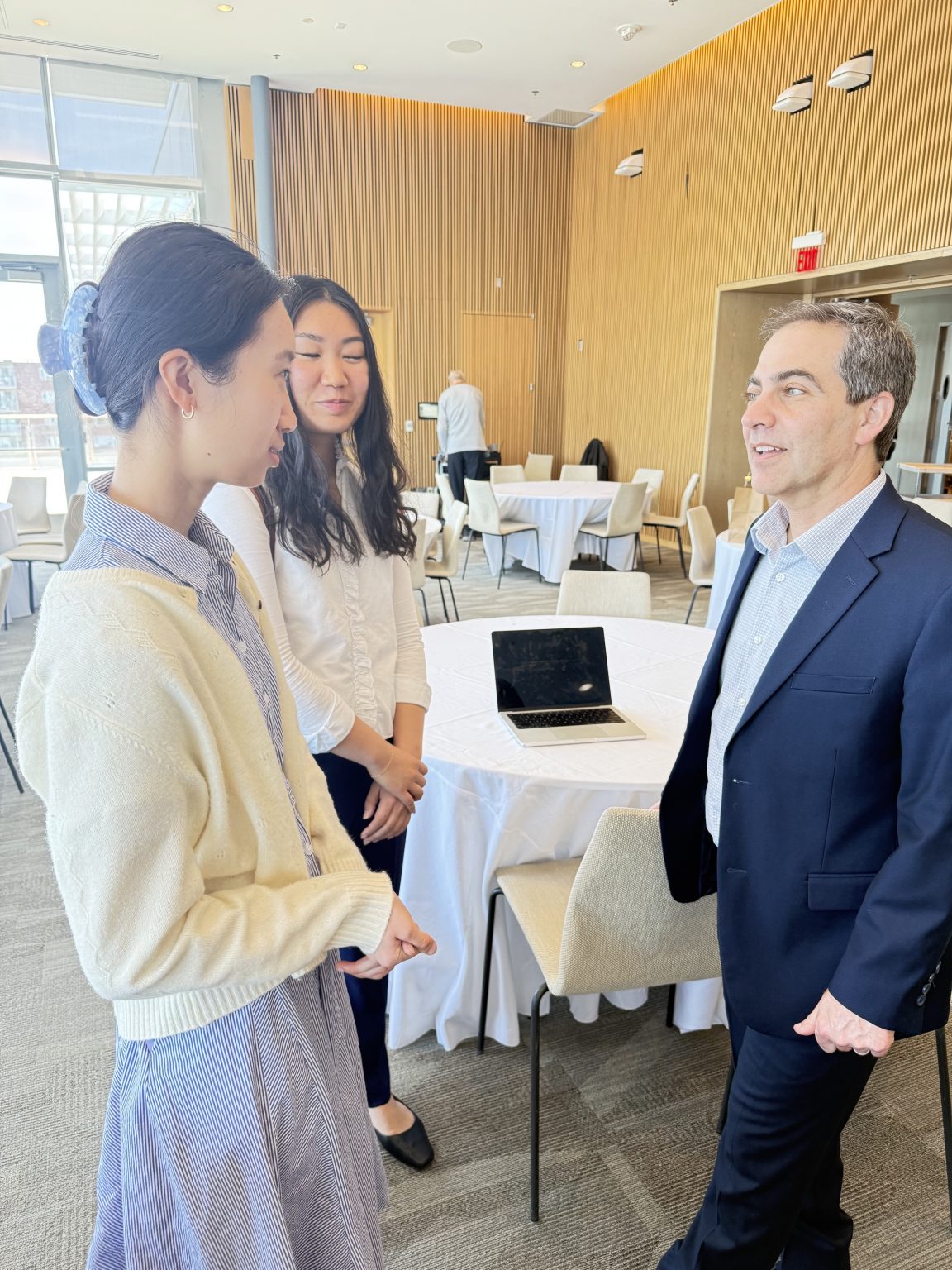


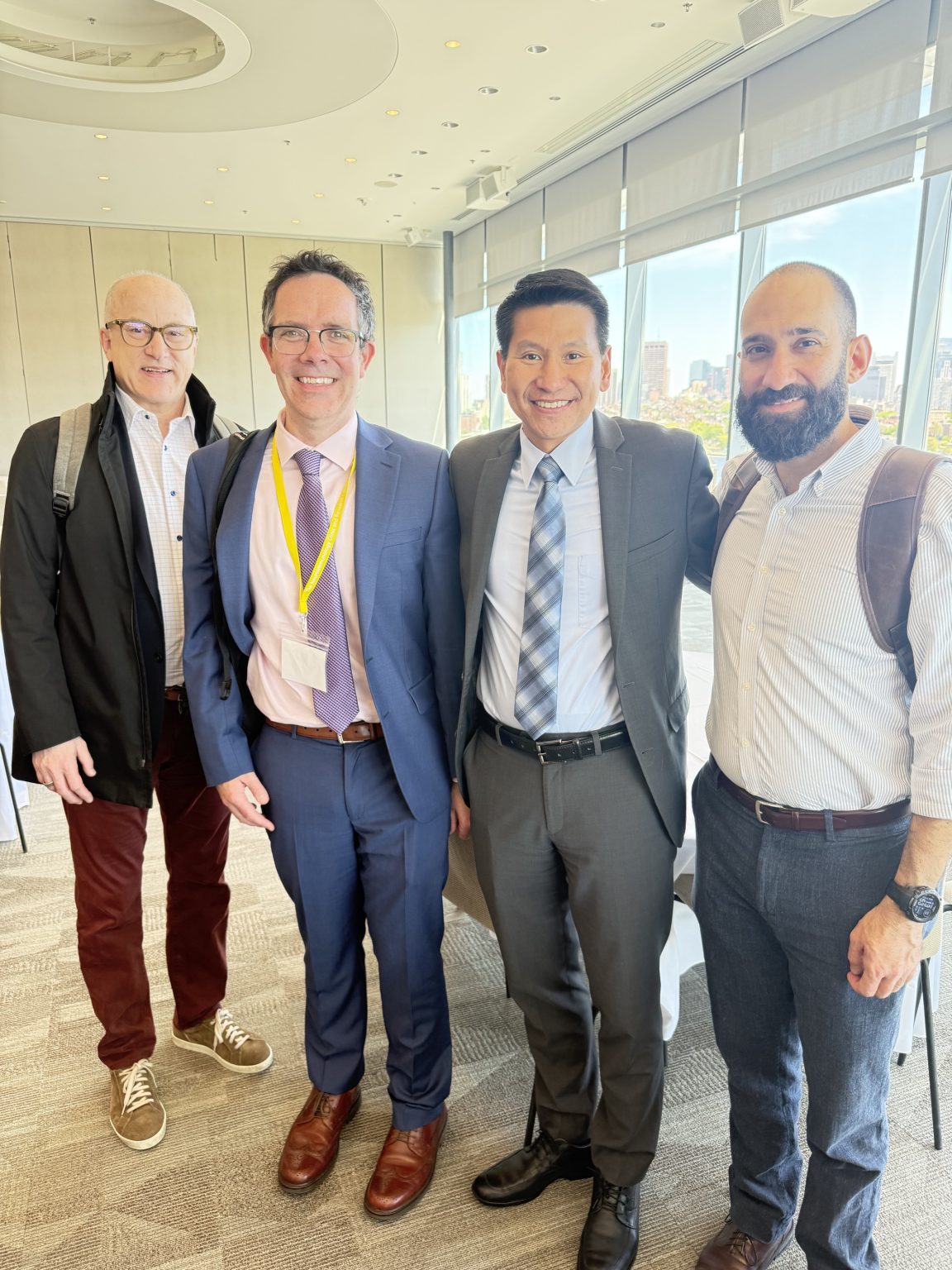
Particular highlights included discussions surrounding the STAR-MOG clinical trial led by Dr. Sudarshini Ramanathan, in which The MOG Project has been heavily involved. Julia Lefelar serves as a co-investigator on the study, reflecting The MOG Project’s growing role in supporting collaborative research initiatives aimed at improving outcomes for people living with MOGAD.
Among many of the notable presentations included Dr. Elias Sotirchos’ discussion on subcutaneous immunoglobulin as a strategy for attack prevention in MOGAD, reflecting continued progress toward expanding treatment options for patients.
Progress in MOGAD happens through collaboration, and these meetings reflected the growing strength and momentum of the global MOGAD community.
Looking Ahead...
The MOG Project extends sincere gratitude to all speakers, collaborators, attendees, sponsors, and patient advocates who contributed to the success of these important events. We look forward to sharing more as this work continues in the months ahead.
Stay Connected
The MOG Project will continue sharing updates from these collaborations, emerging research initiatives, and future opportunities to support progress in MOGAD research and advocacy.