

The MOG Project representatives attended the AANSC in Atlanta, GA at the Hilton Atlanta Hotel to learn about updates of diagnosis and treatment of myelin oligodendrocyte glycoprotein antibody disease (MOGAD). In attendance was Lisa K. Ryan, Ph.D., The MOG Project Science Advisory Council Member, and Amy E. Ednie, The MOG Project President. The conference took place on Friday, July 19 through Saturday, July 20, 2024.
There were several interesting sessions featuring MOGAD as well as a few posters.
Posters:
Medical Advisory Council Member, Dr. Michael Levy and colleagues presented a poster entitled, “The Patient Journey in Myelin Oligodendrocyte Glycoprotein Antibody Disease (MOGAD): Results from Cross-Sectional Patient and Physician Surveys”. The group surveyed 268 MOGAD patients (median age 36 years old). Their research confirmed the difficulty in patients obtaining a proper diagnosis of MOGAD that persists among MOGAD patients seeking treatments upon first incidence and onset of symptoms.
The study found that almost two-thirds of MOGAD patients first received an alternative diagnosis of another disorder. It was common for physicians to misdiagnose MOGAD patients with optic neuritis, transverse myelitis and multiple sclerosis. Other disorders were also suggested but these were the top three. It took numerous tests and radiological scans to arrive at the proper diagnosis such as a negative AQP4 antibody test, a positive MOG antibody test, and patterns of the lesions from the MRI and brain scans. The most common prompt for performing a MOG antibody test was a negative AQP4 antibody test. Overall, the time from first symptoms to diagnosis was of MOGAD was relatively short, but the longest time was 19.1 years.
The most common symptoms at first presentation were decreased visual acuity, muscle weakness and fatigue. Other significant optic (eye) symptoms (in decreasing percentage order) were eye movement pain, decreased visual field, loss of visual color intensity or color vision, decreased night vision, and photophobia. Other significant myelitis symptoms were paresthesia (tingling), paraparesis (partial paralysis of both legs), a positive Babinski sign (foot reflex indicating upper central nervous system pathology), loss of bladder control, back pain, sexual dysfunction, and tactile deficit (reduced ability to feel touch). Other meningeal/encephalitic symptoms were headache, nausea, hemiparesis (one-sided muscle weakness), confusion and vomiting.
In conclusion, the study showed the need for increased MOGAD awareness in the medical community and in the general patient population and the need for the implementation of the newly recommended diagnostic criteria will lead to the shortening of time to diagnosis of MOGAD from when first symptoms occur.
Oral Presentations on MOGAD:
Dr. Eoin Flanagan


On July 19, 2024, Dr. Eoin Flanagan gave an overview of the known characteristics, diagnosis and treatments of MOGAD (and NMO AQP4+) in adults and Dr. Jennifer Graves gave an overview of MOGAD in children. Although there are publications describing clinical prediction guidelines, diagnosis, etiology, prognosis and therapy, there are no publications of qualitative research on MOGAD to date.
Dr. Flanagan went over the 2023 MOGAD Diagnostic Criteria. The overall criteria were (1) A core clinical demyelinating event; (2) A positive test result indicating MOG autoantibody (IgG); (3) Exclusion of similar non-MOGAD diseases such as multiple sclerosis (MS). Criteria #1 and #3 are very important if the serum MOG-IgG titer is low or nonexistent, or if only a positive MOG-IgG is present in the cerebral spinal fluid (CSF).
In MOGAD, MRI and OCT imaging shows optic nerve manifestations, leading to visual impairment, are present in most patients. In MOGAD, the retinal nerve fiber layer (RFNL) thickness is significantly more pronounced than in MS, whereas another measure of visual impairment, the ganglion inner cell plexiform layer (GICPL) thickness, was not. Also, there is no progression of retinal neurodegeneration – there is a presence of gad+ autoantibodies in 13% of patients with prior optic neuritis, but with no symptoms of visual loss.
However, other less common central nervous system manifestations of MOGAD can occur, which are acute disseminated encephalomyelitis (ADEM), unilateral cortical encephalitis (causing seizures and headaches and other meningitis-like features), and Flair Hyperintense Lesion in Anti-MOG-associated Encephalitis with Seizures (FLARES). Cortical swelling and diffuse subpial demyelination occur. In cerebral encephalitis (CCE), N-methyl-D-aspartate receptor autoantibodies co-exist with MOG autoantibodies in 13% of patients. (NMDAR is a glutamate receptor in the brain that plays an integral role in synaptic plasticity, which is a neuronal mechanism believed to be the basis of memory formation.) In addition, aseptic (microorganism not present) meningitis symptoms (fever, headache, vomiting, somnolence, blurred vision and neck pain) are associated with MOGAD diagnosis. Also, MOGAD-myeloradiculitis (inflammation of the spinal cord and the spinal nerve roots) can be present, along with central positive DM and other PM, which are uncertain.
Dr. Flanagan also showed MRI features discriminating MOGAD from NMO AQP4+ disease and MS. A leptomeningeal gad+ result discriminates MOGAD from AQP4+ NMO and MS (the leptomeninges refers to the thin tissue layer covering the brain and spinal cord). 22% of MOGAD patients have tumifactive (meaning that it produces swelling) T2 lesions – areas of demyelination in the brain; however, 80% of the T2 lesions resolve and silent new lesions are rare. Rarely, there is a negative MRI in 10% of MOGAD patients with symptomatic attacks. However, there is a rapidly changing MRI following attacks in all MOGAD patients. Predictors of lesion resolution in MOGAD are steroid use, size of T2 lesions (small lesions are more likely to resolve), and the lack of a T1 hypointense lesion (these are destructive multiple sclerosis (MS) lesions, consisting of axonal loss and matrix destruction). Predictors of MOGAD during remission include less than 6 T2 lesions (greater in MS), no LETM (LETM is longitudinally extensive transverse myelitis, which is found in NMO AQP4+ patients), ETSS is less than 3 (ETSS is greater found in NMO AQP4+ patients), and no Dawson’s fingers in an inf temp pole (found in MS patients). In MOGAD, advanced MRI features included a delayed deep matter growth, with central vein sign, paramagnetic rims and cortical lesions being rare occurrences compared with MS.
Dr. Flanagan talked about the utility of MOG IgG autoantibodies in the diagnosis and etiology of MOGAD and compared its presence in MOGAD, MS and NMO AQP4+ diseases. Anti-MOG IgG antibody is best detected with the live cell assay, although a positive result is correlated well with the fixed MOG immunoassay. Diagnostic false negatives (when the disease is present but the antibody is not detected) occur less with the live cell assay. Interestingly, if MOG IgG antibodies bind to a part of the MOG antigen, the non-p42 epitope, it predicts relapse. A very small percentage (2-6%) of serum of MOGAD patients contain another type of MOG autoantibody – MOG-IgA, the autoantibody found in secretions such as, sputum, nasal drip, saliva and breast milk, and MOG-IgA was found in MOG-IgG seronegative MS, NMO AQP4+ and other demyelinating disease patients. If MOG IgG is detected in the cerebral spinal fluid (CSF) as well as serum, this is noted in most of the MOGAD cases. However, it is still possible that MOG IgG can be detected in serum without it being detected CSF, but this is in fewer cases of MOGAD and more common with other neurological autoimmune disorders. Titers of persistent MOG IgG above 1:160 over 1-2 years increases the risk of relapse. High titers at onset (first symptoms) do not predict relapse. There is no progression of disease independent of relapse activity (PIRA) in MOGAD, unlike MS. Serum neurofilament light (sNfL) levels increase at an attack of MOGAD and remain elevated for up to 12 months, then decrease after. sNfL levels are associated with nerve injury and are associated with relapses only in MS.
Some people wonder whether the virus that causes mononucleosis, Epstein Barr virus, is associated with autoimmune disease development. With MS, there is a high association of the presence of Epstein-Barr virus proteins with the disease; with MOGAD, there is no association with these proteins, suggesting that the virus is not involved in causing MOGAD.
Dr. Flanagan talked about studies describing the mechanism of how MOG autoantibodies can cause damage. Understanding how this happens can lead to the development of new treatments. At their worst, MOG antibodies can cause life-threatening disease, especially in children, such as ADEM and CCE. The life-threatening aspect of these diseases cause increased pressure inside the skull due to swelling of the brain from the inflammatory response. To relieve this deadly symptom, intracranial pressure is relieved with mannitol, hypertonic saline, acetazolamide (a diuretic medication), and a draining of the lumbar fluid (EVD). In addition, to block the inflammatory response, indicated by the production of IL-6 in the brain, blocking the IL-6 receptor has been successfully used with dramatic results. Before this discovery, the prognosis for increased disability was great and required a long hospital stay, administering the life-saving therapy of the symptoms. In addition to stopping the inflammatory response, other strategies blocking the induction of the inflammatory response are being explored. The mechanism of how MOG IgG autoantibodies initiate inflammation and cause damage is known to involve the complement system. Complement is involved in cell lysis and activation of macrophages and natural killer cells to attack foreign invaders in the body. It is needed for normal killing of invading microorganisms. However, complement is triggered by MOG autoantibodies to damage nerve cells. To trigger complement, the IgG binds to a receptor on the cell called the Fc receptor and triggers antibody dependent cytotoxicity. Blocking the binding of the damaging autoantibody to the Fc receptor is one way to stop the damaging cascade of MOG antibody action.
Currently, two clinical trials are recruiting in the USA to stop the relapse of MOGAD by stopping the trigger and the process of MOGAD inflammation and damage: One trial, satralizumab, is the anti-IL-6 receptor monoclonal antibody that blocks the inflammatory response. The other trial, rosanolixuzumab, is the anti-human neonatal Fc receptor monoclonal antibody that will prevent MOG autoantibody-dependent cytotoxicity by eliminating the recycling of MOG IgG and possibly IgA (which also has its own Fc receptor). In theory, both immunotherapies hold promise.
Currently, intravenous immunoglobulin (IVIg) is used to prevent relapse with much success in increasing rates of survival, especially if given after the first attack. The relapse rate was significantly less compared with other treatments, such as administration of long-term corticosteroids. However, prednisone is helpful in preventing damage if given during or immediately after a first attack of optic neuritis. More research needs to be done to resolve conflicting results on whether tapering a patient off of corticosteroids leads to a long-term relapse risk.
Finally, Dr. Flanagan talked about MOGAD in pregnancy. One study showed decreased relapses in pregnancy and the post-partum period, with a lower percentage of patients (12.5%) having MOGAD onset during this period.
Dr. Graves
Dr. Graves spoke about pediatric MOGAD and other pediatric neurological diseases. MOGAD epidemiology studies exclusively in children are limited, but one study in the UK reported 3 per million MOG antibody positive disease, highlighting the rareness of this disease in children. MOGAD and NMO can occur in children at younger ages than with MS.
Dr. Graves pointed out that MOGAD can be very severe in children. Banwell et al. (2023) reported that in 176 children, 45% had ADEM, 35% had optic neuritis, 10% had transverse myelitis, and there was both transverse myelitis and optic neuritis in 5%. In another study by Virupakshaiah et al. (2024), of 326 children, 46% had relapses of MOGAD within 4 years. Patients tended to be more at risk of relapse if they were female and Hispanic or Latino and if they were not treated with IVIg or anti-CD20 antibody, a monoclonal antibody against the B-lymphocyte cells – some of which produce the MOG autoantibody (MOGAD-specific plasma B-cells).
Dr. Graves recommended for acute onset of MOGAD in children, treat with intravenous solumedrol, but follow that up with IVIg to prevent relapse. For children with MOGAD, other second line treatments include mycophenylate (CellCept), rituximab (anti-CD20 monoclonal antibody) and monoclonal antibodies against the IL-6 receptor.
Dr. Sudarshini Ramanthan

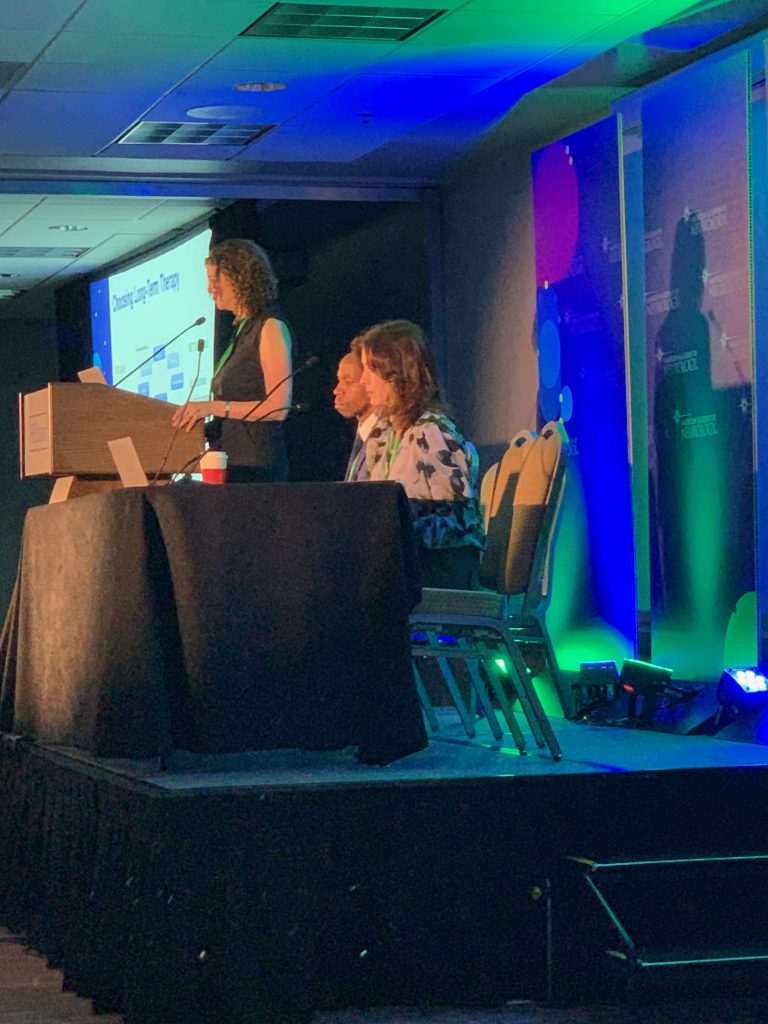
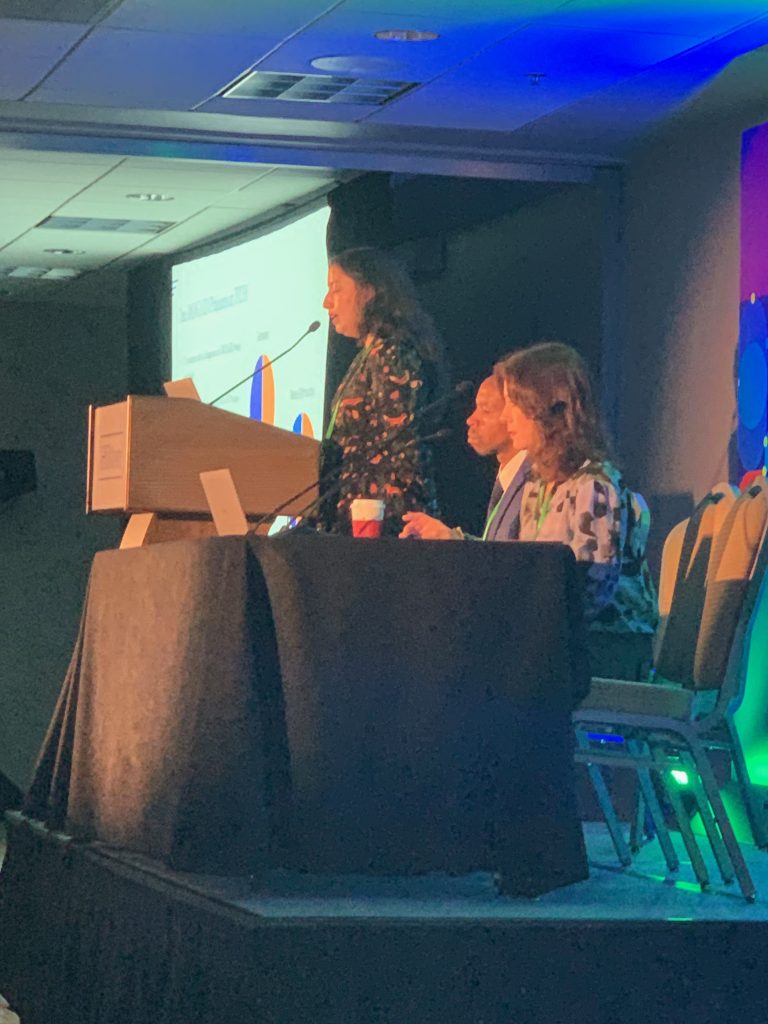
On July 20, 2024, Dr. Sudarshi “Darshi” Ramanathan spoke about clinical manifestations and treatment approaches for MOGAD in a session about MOGAD and NMO. Dr. Ramanathan discussed how MOG antibodies caused demyelination, clinical and radiological observations in MOGAD, detection of MOG autoantibodies and caveats, prognosis and outcomes, and therapeutic approaches. She outlined studies that supported the conclusions.
MOG antigen binds the autoantibody and is located on the surface on the outer layer of the myelin coating the oligodendrocyte of a nerve cell in the central nervous system. Identification of a monoclonal antibody to MOG in 1984 enlightened immunologists and neuroscientists to the possibility that MOG could be an autoantigen – a biomolecule that is part of self but recognized by the immune system as a foreign entity that can trigger the immune system to react against it. MOG is a unique biomolecule that can trigger T-lymphocytes to react against the central nervous system, leading to the production of disease-relevant autoantibodies that specifically target the MOG biomolecule in its natural form. Brain and nerve inflammation is a consequence of that reaction and this leads to damage of the myelin – a demyelination response. The best way to detect these MOG autoantibodies is with a live cell assay. The live cell assay was created by using molecular biology techniques that get a human embryonic kidney cell line (HEK293) to produce the MOG biomolecule (antigen) in the natural conformation. (HEK293 was created in 1973 and commonly used in biomedical research but do not normally express MOG until they are manipulated.) When these transfected cells expressing full-length MOG on their cell surface are mixed with patient’s serum, the MOG autoantibody in the serum binds to the MOG antigen on the HEK cell surface. That antibody is then detected using a detection antibody against all IgG subtypes (anti-pan-IgG) bound to a fluorescent tag on the detection antibody. The number of cells lighting up with fluorescence shows a positive result using a microscope or a flow cytometer – machines that can count fluorescing cells. This is the best assay to differentiate adult MOGAD patients from adult MS patients. Some pediatric MS patients and patients with ADEM also have serum containing the MOG IgG autoantibody.
MOG autoantibodies are associated with inflammatory ophthalmological presentations, such as bilateral optic neuritis with longitudinally long and extensive optic nerve involvement, and in some cases with NMO with LETM. Thirty to sixty percent of MOGAD patients have bilateral optic neuritis. This symptom occurs more frequently than in patients with NMO (13-37%) and MS (less than 5%). Relapses are often unilateral (one eye involvement). Anterior visual pathway, optic perineuritis and optic nerve head swelling (50-95% of patients) are characteristic features of optic neuritis in MOGAD, whereas posterior visual involvement and optic chiasm and optic tract involvement is characteristic in AQP4+ optic neuritis (NMO). Optic neuritis in MS has focal involvement of damage to the optic nerve (very small pinpoint lesions).
In MOGAD transverse myelitis (TM), there is also damage to the spinal cord, detected with MRI, although in a small percentage of patients (10-30%) this initially may not be detected. In one study, up to 33% of MOGAD patients have conus involvement, compared with 6% in NMO AQP4+ and 1.3% of MS patients. This and other studies have shown that MOGAD TM patients may have T2 hyperintensity involvement (66-75%), axial H sign (30-50%), contrast enhancement (50%) and sagittal line sign. In addition, myeloradiculitis is increasingly recognized, along with nerve root swelling and enhancement, cauda equina enhancement, and combined central and peripheral nerve enhancement. This nerve damage is likely to resolve. However, sexual and sphincter dysfunction persist and interfere with quality of life. Immunotherapy treatment may offer excellent motor recovery in MOGAD TM patients.
Dr. Ramanathan spoke about MRI diagnosis of MOGAD in children and compared it to MS. Age of onset is younger in MOGAD than in MS. Unlike MS, ADEM is the most common presentation of demyelination (35-50%) and MS has no ADEM. ADEM may progress to MDEM. Optic neuritis is in both eyes (bilateral) mostly in MOGAD; in MS it is mostly one eye (unilateral). Clinically silent lesions are rare in MOGAD, but in MS they are more common. When present in MOGAD, silent lesions are indicative of a high risk of an imminent relapse. Optic neuritis lesions of MOGAD patients are commonly large and long with GM involvement (lesion extent score is high) and MOGAD patients have a normal brain MRI (47-68%), whereas in MS there is typical brain abnormal radiology. Epstein Barr virus (EBV) detection occurred in only 50% of pediatric MOGAD patients, whereas in MS, there was EBV detection in 90% of patients, suggesting that EBV is not associated with MOGAD.
When there is brain involvement in MOGAD pediatric patients, the borders of the lesions are not well defined. They are fuzzy and diffuse. They are large and tumefactive lesions. They are observed in the basal ganglia, the pons (brainstem), the middle cerebellar peduncle and the cerebellum. Cerebral cortical encephalitis (CCE) is present in 5-15% of MOGAD patients compared to less than 1% of NMOSD-AQP4+ patients. Unilateral cortical FLARE hyperintensity or cortical lesions are associated with new onset seizures. CCE presents with FLAIR hyperintense lesions in anti-MOG encephalitis with seizures (FLAMES). Symptoms are headache, seizures and encephalopathy. There are cortical T2 and leptomeningeal enhancements. Corticosteroids relieve CCE.
Dr. Ramanathan discussed prevention treatments for MOGAD relapse (more than one attack). The most effective dose of corticosteroids that reduced risk of relapse by 88% for at least 3 months was a dose greater or equal to 12.5 mg/day, compared to patients treated below this range or never treated. High dose IVIg also reduced the risk of relapse, along with rituximab (anti-CD20 antibody against B-cells) and tocilizumab (anti-IL-6 receptor antibody). She also described a case study where autologous (from the patient) hematopoietic stem cell transplantation (aHSCT) was able to prevent disease activity in a treatment-resistant, aggressive case of MOGAD in a 56-year-old adult for two years, highlighting the potential utility of stem cell transplantation for MOGAD. She also discussed the patient characteristics that raise the risk for relapsing disease, which are discussed above.
In conclusion, Dr. Ramanathan emphasized that:
- The live cell assay for MOG autoantibody in serum is highly specific for a distinct antibody-mediated demyelinating syndrome, separate from MS and AQP4-NMOSD.
- MOGAD frequently manifests as bilateral and recurrent optic neuritis, ADEM, and has an expanding clinical and radiological spectrum.
- A relapsing disease course is more frequent with prolonged follow-up.
- Visual, sphincter and cognitive functional impairment is underestimated.
- Further work is required to identify optimal therapeutic pathways in MOGAD
Dr. Sara Mariotto
Dr. Sara Mariotto spoke about biomarkers and pitfalls in diagnosis. She emphasized that the live cell assay is the gold standard for detection of MOG autoantibodies in serum, but also said that a positive result with the fixed cell assay is also good. Negative or low positive results in the latter assay should be confirmed with the live cell assay. This is because fixing the cells alters the conformation shape of the MOG biomolecule so that it does not bind the antibody as well. The live cell assay is also more sensitive and can detect lower levels of MOG autoantibody. She stated that indiscriminate analysis for MOG autoantibody in serum is not recommended and that testing in CSF is not recommended routinely but may be useful in some selected seronegative cases. She also concluded that NfL and GFAP are promising biomarkers that can distinguish patients from healthy controls, assess disease activity, identify clinical relapse and reflect treatment response. NfL levels increase close to a clinical event in children with MOGAD. The ratio of NfL/MOG antibody levels is lower in relapsing versus non-relapsing MOGAD. NfL is particularly increased in children with ADEM, encephalopathy, or LETM. GFAP is present mostly in NMOSD patients and low in MOGAD patients. One must consider sample acquisition timing, confounding factors, and assay limits. There may be single cases that defy the group data, but one should adhere to group data to draw conclusions for biomarker discovery.
Dr. Kara Salazar
Finally, Dr. Kara Salazar spoke about her clinical experience in treating pediatric MOGAD in a group of patients at Texas Children’s Hospital in Houston, Texas. The results confirmed the observations described by others but noted a high phenotypic variability in symptoms and disease states and encouraged large multicenter collaborations. The study highlighted the need for further longitudinal follow-up to better characterize outcomes, including epilepsy and development. More data needs to be collected to determine relapse risks in children.

Lisa Kathleen Ryan, Ph.D.
Department of Oral Immunology and Infectious Diseases
University of Louisville School of Dentistry
Scientific Advisor, Scientific Advisory Council, The MOG Project